
First Day in Rome: Arrival-Day Plan After Your Flight or Train
Your arrival day in Rome should make the rest of the trip easier, not become a compressed sightseeing marathon. Flights run late, rooms are not always ready, luggage slows you down and jet lag can make simple decisions feel harder than expected.
A strong first day has four jobs: reach your accommodation safely, deal with bags, eat and hydrate, then see enough of Rome to feel oriented without risking an important reservation.
| Arrival window | Best plan | Avoid |
|---|---|---|
| Morning | Store luggage + easy neighborhood walk | Major non-refundable timed tour |
| Early afternoon | Check in + historic center stroll | Cross-city sightseeing |
| Late afternoon | Dinner area + sunset walk | Overloading the evening |
| Late night | Transfer, check in, sleep | Trying to “make up” lost hours |
Before you land or reach Termini
Your first Rome day begins before you arrive. Save your accommodation address, check-in instructions and one transport plan offline, then keep a backup option in mind. If you are flying, compare routes in our Rome airports guide; if you are arriving by rail, review our Rome train stations guide. The goal is not to memorize every possibility but to avoid making the first important decision while tired, carrying luggage and looking for a signal.
Confirm whether your accommodation has a staffed reception, self-check-in or a restricted arrival window. Apartment hosts may need an estimated arrival time, while hotels are usually more flexible. If you will arrive much later than planned, send a message before you reach the building rather than assuming someone will be waiting.
Choose the simplest transfer, not automatically the cheapest
Airport transfers can be approached in several ways: direct rail where available, buses, licensed taxis, pre-booked transfers or combinations with local transport. The cheapest route is not always the best after an overnight flight or with children and luggage. Value the number of changes, the walk at the end and how confident you are handling bags in a crowded station.
For Fiumicino arrivals, our Leonardo Express guide explains the direct airport rail connection to Termini. For taxi planning, see our Rome taxi guide. Always use official transport channels and confirm the correct airport or station before following someone offering a ride.
What to do if your room is not ready
Early arrivals are normal, and many hotels can hold bags before check-in. Apartments vary more, so ask in advance. If storage is not available, use a reputable luggage service near a station or central area and read our Rome luggage storage guide before choosing one.
Keep medication, passports, electronics and anything valuable in your personal bag. Once the main luggage is stored, resist the temptation to begin with a major timed museum. A flexible walk is a better first activity because delays, fatigue and hunger are unpredictable.
The best first walk in Rome
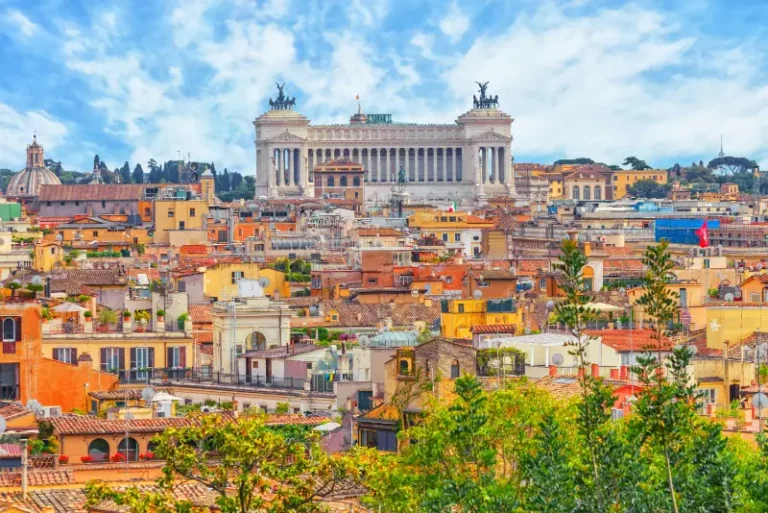
A first walk should orient you without demanding concentration. The historic center works well because several iconic spaces are close together: Spanish Steps, Trevi Fountain, the Pantheon and Piazza Navona can be linked naturally. Our historic center walking route gives you a ready-made sequence.
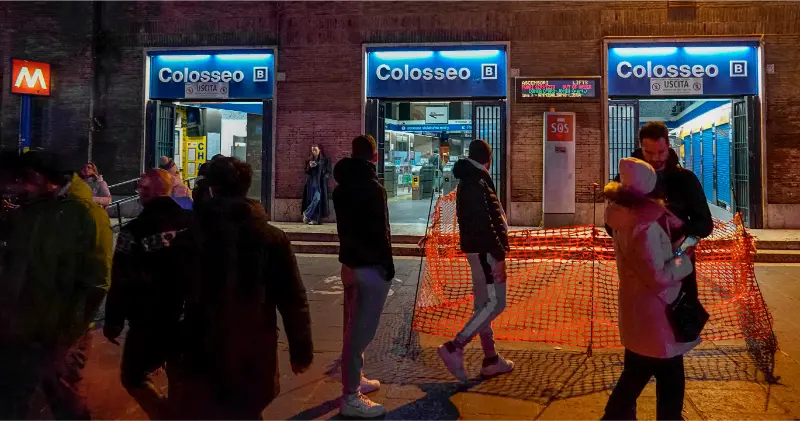
If you are staying near the Colosseum, Vatican or Trastevere, stay local instead of crossing the city just to see Trevi on day one. Learning the streets around your hotel, finding a supermarket and identifying the nearest useful transport stop will make every later day easier.
Eat early enough to reset your energy
Travel days often create a strange pattern of airport snacks, skipped meals and too much coffee. Plan one proper meal after you have dealt with luggage. It does not need to be a destination restaurant; the priority is hydration, food and a chance to sit down.
If you want to understand ordering and meal rhythms, use our Rome restaurant guide and coffee guide. Avoid booking an ambitious multi-course dinner for your arrival evening unless you know you travel well after a long journey.
Jet lag: use daylight without exhausting yourself
Travelers arriving from distant time zones usually do better with daylight and gentle movement than with spending the afternoon in bed. A short nap can help, but a three-hour sleep may make the first night harder. Walk outdoors, eat at a reasonable local time and aim for a normal bedtime.
Do not fight severe fatigue with an overpacked itinerary. If you are struggling to stay awake safely, rest. The aim is to arrive functional for day two, not to prove that you can visit six monuments immediately after a flight.
Buying essentials on day one
Use the arrival day to solve small practical needs: water, snacks, toiletries, transit information or a forgotten adapter. Our Rome supermarkets guide explains grocery basics, while the SIM/eSIM guide can help if connectivity was not arranged before travel.
Do not spend your first hours searching for perfect souvenirs or specialty shops. Essentials first, shopping later. A nearby supermarket or pharmacy is more useful than crossing Rome for a specific store when you are still learning the city.
Tickets and reservations for the next morning
Use the evening to recheck the next day’s timed tickets, meeting points and transport route. Download QR codes and screenshots, note any ID requirement and confirm whether a guide expects you at a precise entrance rather than simply at the attraction.
Set a realistic alarm. If the next morning begins at the Vatican or Colosseum, include breakfast, travel time and security. Rome itineraries fail when visitors plan only the attraction start time and ignore everything needed to reach it.
Arrival with children
Families should make the first day intentionally light. A park, gelato stop or neighborhood walk is usually more successful than a long museum. Our Rome with kids guide and Rome with toddlers guide provide age-specific planning ideas.
Keep one familiar snack, a change of clothes and comfort items accessible during the transfer. If a child falls asleep at an inconvenient time, accept that the itinerary may shift. The first day is about settling in.
Arrival in bad weather or late at night
If it is raining, replace the orientation walk with one compact indoor plan near your accommodation. Our Rome rainy-day guide gives several options. Avoid crossing the city with luggage just because a famous museum is indoors.
Late-night arrivals are even simpler: transfer safely, check in, get water or a light meal if practical, and sleep. Rome will still be there in the morning. Confirm late check-in arrangements in advance and do not rely on finding every transport service at the same frequency you would see during the day.
Take ten minutes to learn your immediate neighborhood
After check-in, identify the practical places that will matter tomorrow: the nearest useful bus or metro stop, a pharmacy, a supermarket or convenience shop, and the easiest route back to the entrance of your building. This tiny orientation exercise saves time every day and reduces the chance of ending a long evening with an unnecessary uphill walk or confusing station exit.

Also look at the neighborhood in relation to your main sightseeing areas. Our where to stay in Rome guide explains how central districts connect. You do not need to learn the whole city on day one; you only need to understand the few streets and transport links that form your home base.
Keep the first day secure and low-stress
Tired travelers are more likely to leave a phone on a café table, open a wallet in a crowded station or follow the wrong person offering transport. Use the same common-sense precautions you would in any major city, especially around luggage and busy transit areas. Our Rome safety guide covers practical precautions without exaggerating risk.

Keep one payment card and some backup funds separate, avoid displaying passports unnecessarily and verify the identity of any transfer or accommodation contact. If something feels confusing, step aside somewhere calm before making a decision. A five-minute pause is better than rushing because people are moving around you.
Arrival-day mistakes
- Booking the Colosseum or Vatican immediately after a flight.
- Keeping every bag with you because check-in is not open yet.
- Choosing a transfer with several changes just to save a small amount.
- Taking a long nap that destroys the first night’s sleep.
- Crossing the city repeatedly instead of exploring near your hotel.
- Waiting until arrival to discover that an apartment has no late check-in.
Frequently asked questions
What should I do first when I arrive in Rome?
Reach your accommodation or luggage storage, secure your bags, eat or drink something and then choose a flexible walk close to where you are staying.
Is the arrival day worth counting as a sightseeing day?
Yes, but keep it flexible. A few outdoor highlights or one neighborhood can be memorable without risking a timed attraction.
Should I book dinner on my first night?
Only if your arrival is predictable. For flights or long train journeys, a flexible restaurant plan often works better.
Final advice
Treat arrival day as setup. A smooth transfer, light walk, simple meal and early check of tomorrow’s reservations will do more for the trip than rushing into a headline attraction while tired. Save your strongest energy for the first full morning.