
Capitoline Museums Rome: Highlights, Tickets and How to Visit
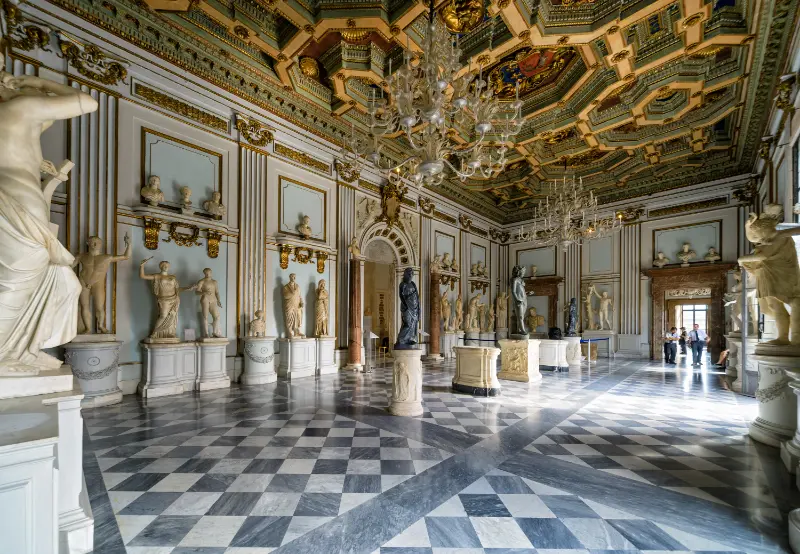
The Capitoline Museums are among the best places in Rome to understand the city as a continuous story rather than a collection of separate ruins. Ancient bronze statues, imperial portraits, Renaissance paintings and monumental views over the Roman Forum all come together on the Campidoglio, the hill that has been a center of Roman civic identity for centuries.
They are also an excellent choice when you want serious art and archaeology without the scale of the Vatican Museums. A well-planned visit of two to three hours can cover major highlights while still leaving time for the Forum viewpoint and the surrounding Capitoline Hill.
Tickets in 2026
From February 2026, residents of Rome and the Metropolitan City receive free admission to the Capitoline Museums with valid identification under the city system. Non-residents purchase standard or reduced tickets. Prices can vary when major temporary exhibitions are included; for example, exhibition periods in 2026 have carried combined ticket rates above the base permanent-collection price.
Because current exhibition pricing can change during the year, check the official Capitoline Museums ticket page for the exact date of your visit. Online pre-purchase generally carries a small booking fee under the published system.
Why the museums are important
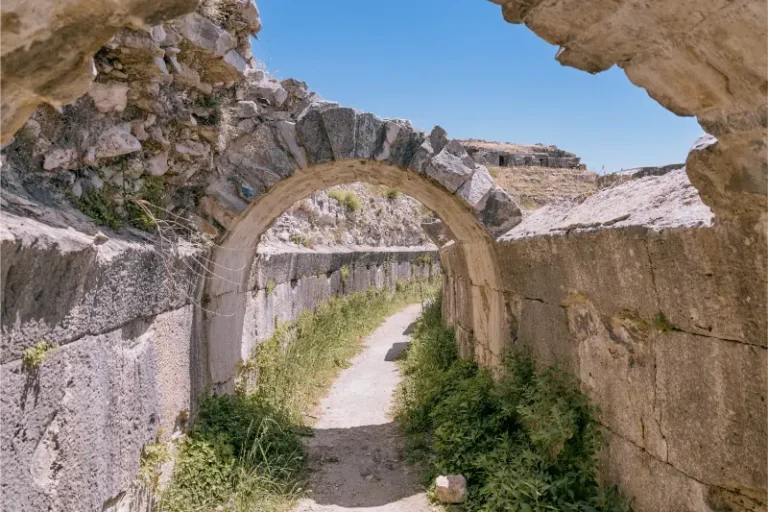
The Capitoline Museums are often described as one of the world’s oldest public museum collections. Their history is closely linked to papal donations of ancient bronzes and the civic importance of the Capitoline Hill. Today the collections are spread across buildings around Piazza del Campidoglio, connected in part by underground passages.
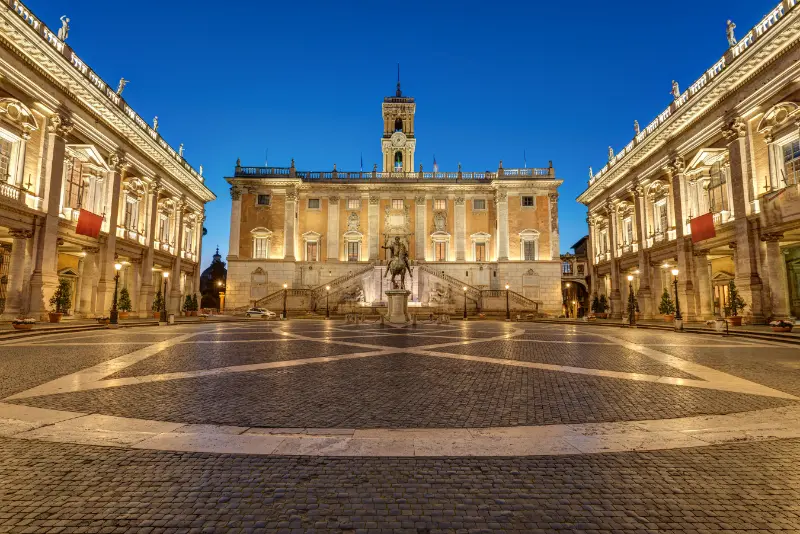
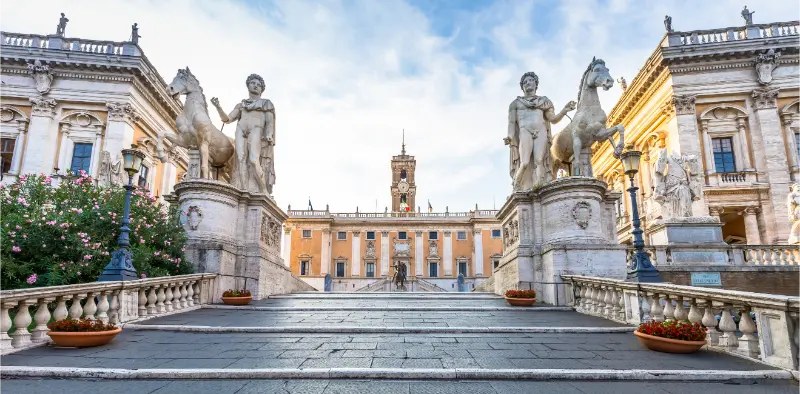
The setting matters almost as much as the objects. Michelangelo redesigned the square, creating a carefully ordered civic space approached by the broad Cordonata staircase. Before entering, turn around and notice how the hill frames both medieval Rome and the monumental zone below.
Must-see highlights
- Equestrian statue of Marcus Aurelius: the original ancient bronze is preserved inside, while a copy stands in Piazza del Campidoglio.
- Capitoline Wolf: one of the symbols most strongly associated with the legend of Rome’s founding.
- Dying Gaul: a powerful ancient sculpture admired for its realism and emotional intensity.
- Capitoline Venus: a celebrated classical marble displayed in an intimate setting.
- Caravaggio and the Pinacoteca: the museum’s painting collection adds an important art-historical dimension beyond archaeology.
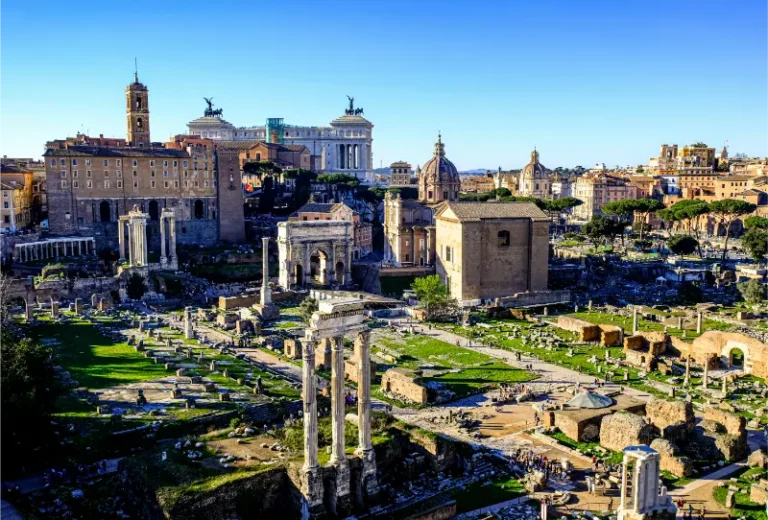
- Tabularium viewpoint: one of the best elevated views across the Roman Forum.
The Roman Forum viewpoint
One of the museum’s great surprises is the view from the Tabularium side over the Roman Forum. You see the archaeological landscape from above, with temples, arches and the Palatine beyond. If you have already visited the Forum at ground level, the elevated perspective helps the ancient city make more spatial sense.
For a deeper archaeological day, combine the museums with our Colosseum, Roman Forum and Palatine Hill guide, but avoid trying to do every site in one exhausted marathon.
How long should you spend?
Allow two to three hours for a first visit. Art and archaeology enthusiasts could stay much longer, especially if a temporary exhibition is included. If you only have 90 minutes, choose the major sculptures, the painting gallery highlights and the Forum viewpoint rather than attempting every room.
Best time to visit
The museums are a strong late-morning or afternoon choice after an outdoor walk through Ancient Rome. They are also useful on rainy days or during the hottest summer hours. If you enter near closing time, remember that large museums often begin clearing certain galleries before the official closing hour.
Piazza del Campidoglio

Do not treat the square as merely an entrance. The geometry, façades and central statue create one of Renaissance Rome’s most influential urban spaces. Walk around the edges, look down toward the Forum from the rear, and descend toward Piazza Venezia when you are finished.
Capitoline Museums with children
Families can make the museum manageable by turning the visit into a search for a few memorable objects: the wolf, giant fragments, emperors, horses and dramatic marble figures. Two focused hours are often better than forcing children through every gallery. The nearby outdoor viewpoints provide useful breaks.
Accessibility and practical comfort
The museum complex occupies historic buildings connected across different levels. Lifts and accessible routes are available for many areas, but the exact path may differ from the standard visitor flow. Travelers with mobility requirements should check the current accessibility page or contact the museum before arrival.
What to see nearby
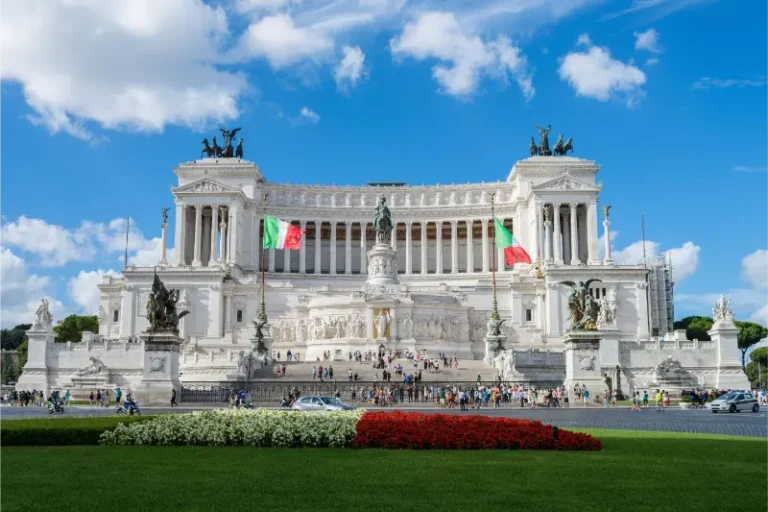
- Piazza Venezia and the Vittoriano: directly below the Capitoline Hill.
- Roman Forum: visible from the museum and accessible nearby through official entrances.
- Jewish Ghetto: a short walk downhill toward the Theater of Marcellus; see our Jewish Ghetto guide.
- Monti: an easy continuation beyond the Imperial Fora; use our Monti neighborhood guide for a slower evening.
Capitoline Museums or Vatican Museums?
The Vatican Museums are much larger and contain globally famous works such as the Sistine Chapel, while the Capitoline Museums are more focused on Rome itself. If ancient sculpture, Roman history and a manageable museum scale appeal to you, the Capitoline collection may actually feel more coherent. On a four-day first trip, there is room for both if you pace them on different days.
Common mistakes to avoid
- Skipping the Forum viewpoint because you are focused only on individual artworks.
- Failing to check whether a temporary exhibition changes the ticket price.
- Trying to combine the entire museum with a full Colosseum–Forum–Palatine visit in one rushed block.
- Walking through Piazza del Campidoglio without appreciating the square itself.
- Spending equal time in every room instead of prioritizing the works that interest you most.
A practical two-hour route
Begin with the ancient bronzes and iconic sculptures, continue through the main archaeological rooms, move to the painting collection for selected works, then finish near the Tabularium viewpoint. This route gives you a mix of sculpture, painting, architecture and cityscape rather than an endless sequence of similar galleries.
Final tip
Visit the museums after you have already walked through some of Ancient Rome. Recognizing emperors, temples and the Forum outside makes the objects inside feel less abstract. The Capitoline Museums are not simply a shelter for masterpieces; they are one of the best places to connect the Rome in books with the Rome visible through the window.
How to avoid museum fatigue
The best strategy is to choose themes. You might focus on ancient bronze, imperial portraiture and the Forum view, or on sculpture plus the Pinacoteca. Read labels for a few objects that genuinely interest you instead of attempting every room. Because the museum complex has multiple buildings and corridors, taking a short pause in the piazza or café area can reset your attention.
Why the Campidoglio matters
The Capitoline Hill was one of the symbolic centers of ancient Rome and later became a civic center for the medieval and modern city. Michelangelo’s redesign reoriented the square toward the developing city rather than the Forum. That shift is visible when you approach via the Cordonata and helps explain why the museum is as much about Rome’s changing identity as about individual artworks.
Combining the museums with the Vittoriano
After the museum, descend toward Piazza Venezia and the Vittoriano. The contrast between the Renaissance Campidoglio, ancient Forum and nineteenth-century national monument compresses several political eras into a few hundred meters. If you plan to visit a paid panoramic area at the Vittoriano, check current access and ticket conditions separately; otherwise, the exterior terraces and surrounding views already add context.
A rainy-day strategy
The Capitoline Museums are one of the best bad-weather choices in central Rome because you can spend several hours indoors and emerge directly beside major outdoor sights when the rain eases. Pair the museum with Santa Maria in Aracoeli or a long lunch rather than crossing the city repeatedly. If showers are intermittent, use the Forum viewpoint between heavier bursts of rain.
For travelers who love Roman history
If the Forum leaves you wanting more explanation, the Capitoline collections are an ideal next step. Portraits give faces to emperors, inscriptions make public life more concrete and surviving bronzes show the technical sophistication that ruins alone cannot convey. The museum adds human scale to the monumental archaeology outside.
What to know about temporary exhibitions
The Capitoline Museums frequently host temporary exhibitions, and the ticket structure can change while they are running. That is why an old price copied from a guidebook may be wrong even when the permanent museum itself has not changed. Check the official ticket page for your exact travel date and decide whether the exhibition interests you before paying for a combined ticket.
Best photo moments
Photography is rewarding both inside and outside, but the most memorable images often come from the architecture: the Marcus Aurelius statue in the square, the Cordonata, framed views toward the Forum and the rooftops beyond. Inside, follow current museum rules on photography and avoid using a camera in a way that obstructs narrow galleries or other visitors.
A good museum for first-time Rome visitors
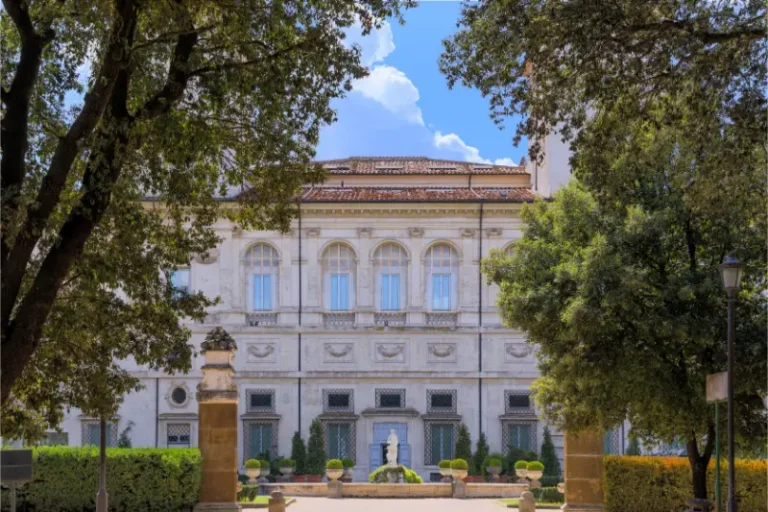
If you are unsure whether another museum belongs in a short itinerary, ask what you want to understand better. The Capitoline Museums are particularly useful after Ancient Rome because they supply faces, objects and artistic context to the ruins. Travelers who prefer Renaissance painting or papal art may get more from the Vatican or Galleria Borghese, but history-focused visitors often find the Capitoline collection unexpectedly rewarding.
2 Comments
Comments are closed.