Best Beaches Near Rome: Ostia, Santa Marinella, Sperlonga and More
Rome is not a beach city in the way Naples or Barcelona can feel tied directly to the sea, but the coast is close enough to add a beach day to a summer trip. The best choice depends on whether you value convenience, prettier water, a historic town, public transport or a quick escape from the heat.
Ostia is the easiest extension of Rome, while Santa Marinella, Anzio, Nettuno and Sperlonga create progressively more distinct day-trip experiences. The trade-off is simple: the more beautiful or atmospheric the destination, the more transport time you usually accept.
At a glance
| Beach area | Best for |
| Ostia | Easiest beach day from Rome |
| Castel Porziano | More natural Roman coastline |
| Santa Marinella | Simple rail day trip north of Rome |
| Anzio / Nettuno | Beach plus town and history |
| Sperlonga | Prettier hill town and sea, but longer journey |
Ostia: the easiest seaside escape
Ostia is Rome’s traditional seaside outlet and the most obvious choice when you want sand without dedicating the entire day to transport. The coast has a long promenade, beach establishments and free-access sections, with the wider area extending toward more natural stretches.
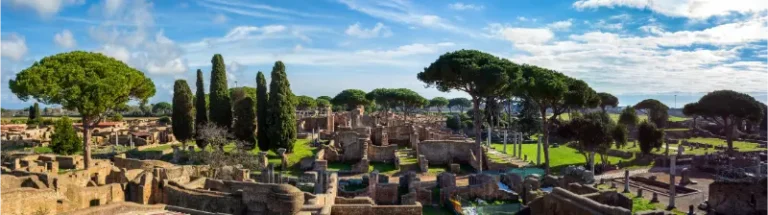
The exact public-transport route can be affected by works and service changes, so verify current connections before departure. Do not confuse modern Lido di Ostia with Ostia Antica, the archaeological site inland.
Castel Porziano and Capocotta
South of central Ostia, the coast becomes less urban. Castel Porziano and Capocotta are known for broader natural stretches and a different feel from the built-up seafront.
They are less straightforward without a car than central Ostia, so transport planning matters. If you want an easy half-day, stay closer to Ostia; if you want more landscape and are comfortable with logistics, look farther south.
Santa Marinella: a practical rail beach
Santa Marinella is popular because the railway brings you to a coastal town north of Rome without complex driving. It can work well for travelers who want a straightforward beach-and-lunch day.
Beach access varies between free sections and establishments. In peak summer, arrive earlier and check current local conditions because popular stretches can fill quickly.
Anzio and Nettuno
Anzio and neighboring Nettuno combine beaches with a stronger town identity. The coastline, ports and twentieth-century history make the day more varied than simply lying on the sand.
They are useful for travelers who want lunch, a promenade and some exploration between swims. The Riviera di Roma information from Visit Lazio describes this southern coastal arc as a long sequence of beach towns extending from the Roman shoreline toward Nettuno.
Sperlonga: the prettiest but least casual option

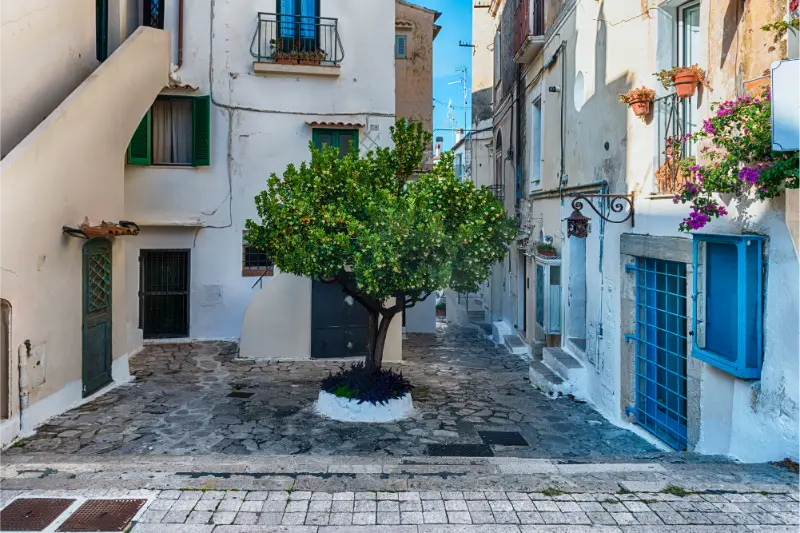
Sperlonga is farther from Rome and usually requires more planning, but it rewards the effort with a whitewashed hill town, attractive coast and a more holiday-like atmosphere.
Treat it as a full day rather than a quick beach break. Depending on your transport choice, the final connection from the railway line to the town must be coordinated carefully.
Free beaches versus stabilimenti
Italian beaches often mix free public sections with paid establishments that provide umbrellas, loungers, changing facilities and other services. Prices vary by location, row, season and day, so avoid quoting one “standard Rome beach price.”
If shade and facilities matter, booking an establishment can make the day easier. If flexibility and budget matter more, identify free-access sections and bring only what you can comfortably carry.
When to add a beach day to Rome
A beach day is most valuable in hot weather and on longer Rome stays. If you have only two or three days in the capital, the coast usually costs too much sightseeing time unless the sea is a personal priority.
On a five-to-seven-day summer trip, however, a beach day can reset energy and make the remaining museum and archaeological days much more enjoyable.
Beach-day practicalities
Bring sun protection, water, a swimsuit cover-up and secure footwear for hot pavement. Do not leave valuables unattended. Check sea and weather conditions locally, especially after storms or on windy days.
For rail destinations, save your return options before leaving Rome. Summer crowds can make the final trains of the evening less comfortable, so build margin rather than planning around the last possible connection.
How to fit this into a Rome trip
Choose Ostia for convenience, Santa Marinella for a simple rail escape, Anzio/Nettuno for a beach-town day and Sperlonga when the destination itself matters as much as swimming. On a longer summer trip, place the beach after two or three intensive sightseeing days.
Rome is easier when you group sights by neighborhood instead of treating every landmark as an isolated pin. Leave time for security checks, church services, transport delays, cobblestones and the unplanned stops that often become the best part of the day. Keep one or two priorities fixed, then let nearby secondary sights remain flexible.
Practical tips before you go
Transport to the coast can change because of rail works, replacement buses and seasonal services. Check current official transport information on the morning of travel. Beach establishments also change seasonal opening, so verify directly if you need guaranteed umbrellas or facilities.
For any attraction with tickets, seasonal hours or religious services, check the official website shortly before the visit. Rome changes more through temporary closures, restoration work, events and liturgical schedules than through dramatic permanent changes, so a final verification can save a wasted journey.
Frequently asked questions
What is the closest beach to Rome?
Ostia is the best-known and most convenient seaside area associated with Rome and is usually the simplest choice by public transport.
Is Sperlonga worth a day trip from Rome?
Yes if you want a more scenic coastal destination and are willing to spend more time on transport.
Are there free beaches near Rome?
Yes. The Roman and Lazio coast includes free-access beach sections as well as paid establishments, but facilities and crowd levels vary.
Final advice
The best beach near Rome is not automatically the prettiest one. Choose according to the amount of travel time you are willing to spend. A simple Ostia escape can be better than an ambitious coastal journey if it leaves you rested instead of exhausted.
Protect the best hours of the day
Early morning and the period around sunset are unusually valuable in Rome. Outdoor landmarks are calmer early, while late afternoon gives softer light and a more comfortable atmosphere for piazzas, bridges and viewpoints. Use the middle of the day for lunch, churches, museums or transport when heat and crowds make exposed walking less pleasant.
Keep the route geographically realistic
Rome looks compact on a map, but repeated crossings of the center cost time and energy. A route works best when one major attraction anchors a cluster of nearby streets, churches, markets or viewpoints. If you finish early, add something close rather than traveling across the city for a minor stop.
Build in a small amount of flexibility
A strong itinerary has one essential priority, two or three desirable stops and several optional ideas. If a church closes for a service or a queue grows unexpectedly, drop an optional stop and continue in the same area. This keeps the day enjoyable instead of turning every delay into a problem.
Dress for the city you will actually walk
Supportive shoes matter more in Rome than elegant travel outfits because stone paving, slopes and long museum corridors add up quickly. Carry water, sun protection in warm months and a light layer for churches or cooler evenings. Small comfort decisions often determine how much of the city you can enjoy well.
Use official sources for the details that change
Ticket rules, free-entry days, opening hours and transport works can change. Save the official pages for your most important reservations and check them again shortly before the trip. This is particularly important on Sundays, Mondays, public holidays and days with major religious or civic events.
A simple planning rule that works in Rome
At the start of each day, decide which single experience would make the day feel successful. Protect that reservation or location first. Then place flexible sights nearby and leave a buffer before any second timed entry. This structure works particularly well in Rome because the city is dense: if one doorway is closed, another church, piazza, archaeological fragment or café is usually close enough to keep the route interesting. Avoid scheduling every hour. A little breathing room lets you notice the details that make Rome memorable rather than simply completing a list.
What to do when the plan changes
Rome rewards travelers who keep a backup option in the same area. If a museum closes unexpectedly, do not immediately cross the city. Look for a nearby church, archaeological viewpoint, market, park or neighborhood street that can fill the time naturally. If transport is delayed, protect the reservation that cannot move and shorten the flexible part of the route. If the weather becomes unpleasant, switch an outdoor block with an indoor one rather than abandoning the entire day. This approach matters because many Roman attractions operate inside historic or religious buildings where temporary changes are normal. A flexible plan is not a weaker plan: it is the version most likely to survive real travel conditions. Keep screenshots of essential tickets, save the official notice page for your main attraction, and know which part of the day can be dropped without regret. The result is a trip that feels organized without becoming fragile.