Castelli Romani from Rome: Best Towns, Lakes, Food and Day Trip Guide
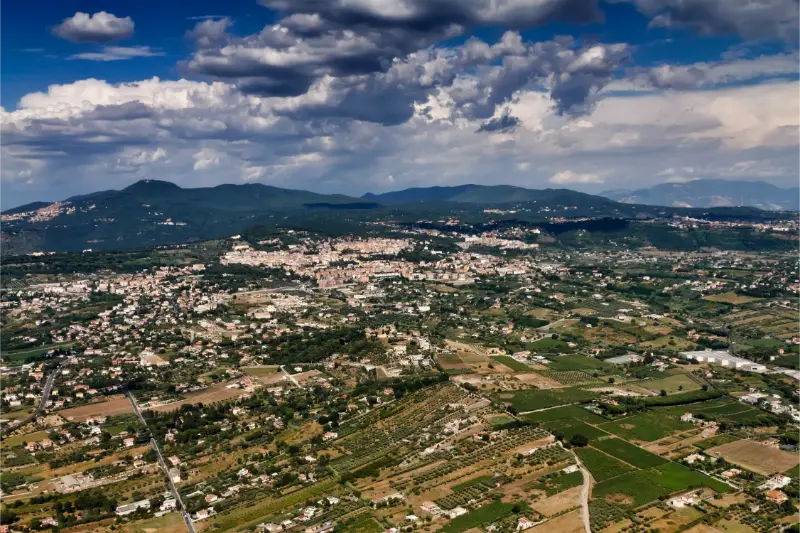
The Castelli Romani are not one destination but a group of hill towns, volcanic lakes, vineyards and wooded landscapes southeast of Rome. That variety is their strength—and the main planning challenge. A good day trip chooses one theme rather than trying to visit every famous town. This guide is designed for travelers based in Rome who want to decide not only what to see, but whether the trip is realistic for their transport style, pace and season.
Quick planning overview
| Best for | Food lovers, wine travelers, families, repeat visitors and anyone wanting an easy escape from central Rome. |
|---|---|
| Time to allow | One full day per route; the area rewards several separate visits. |
| Easiest transport | Train works well for selected towns such as Frascati; a car is better for multi-stop itineraries. |
| Main caveat | Trying to “do the Castelli” in one day usually creates too much driving and too little time in the towns. |
Why take this day trip from Rome?
The Castelli Romani are not one destination but a group of hill towns, volcanic lakes, vineyards and wooded landscapes southeast of Rome. That variety is their strength—and the main planning challenge. A good day trip chooses one theme rather than trying to visit every famous town. A day outside the capital also changes the rhythm of a Rome itinerary. After several days of museums, churches and dense historic streets, a smaller town or landscape can make the whole trip feel more varied.
The key is to treat a day trip as a destination in its own right. Do not measure success by the number of stops. Leaving Rome, navigating a regional station or road, having lunch and returning in the evening all consume real time. A realistic plan is almost always more enjoyable than a schedule built around perfect connections.
How to get there from Rome
Several Castelli towns have useful rail connections from Rome, while others depend more on buses. Frascati is among the easiest no-car choices. A car becomes valuable if you want to combine lake viewpoints, smaller towns and countryside restaurants. Weekend traffic can be heavy around popular lake areas, so an early start is useful.
Train and public transport strategy
If you are using public transport, check the return journey before the outbound journey. Regional trains may be frequent while the final bus connection is not. Save screenshots of the last two realistic return options, allow time to find the correct stop and avoid planning the final connection so tightly that a delayed lunch or museum visit creates stress.
Driving strategy
If you drive, do not judge the trip only by road distance. Leaving central Rome, ZTL restrictions, parking and the final walk can add time. A rental car is most useful when the destination has no simple rail link or when you want to combine two small towns. If you are staying in the historic center, consider collecting the car away from the ZTL rather than driving into central streets.
Current visitor information for 2026
The regional park continues in 2026 to manage and promote protected landscapes across the Alban Hills and has begun rolling out a trail web app with QR-coded points on selected routes. Trail conditions and temporary restrictions can change, especially during high fire-risk periods, so check park notices before hiking. For the latest changes, check the Castelli Romani Regional Park before departure.
What to see and do
Frascati
The easiest introduction for many visitors, Frascati combines villas, a compact center and wine traditions. It works well as a standalone day trip by train.
Castel Gandolfo
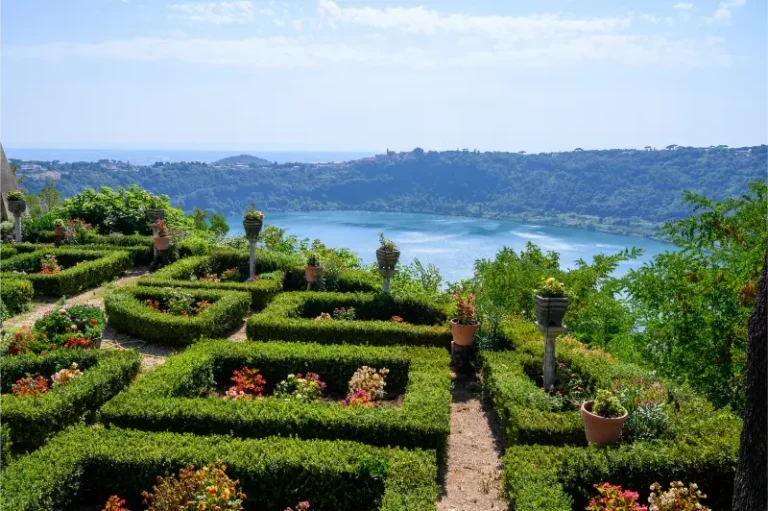
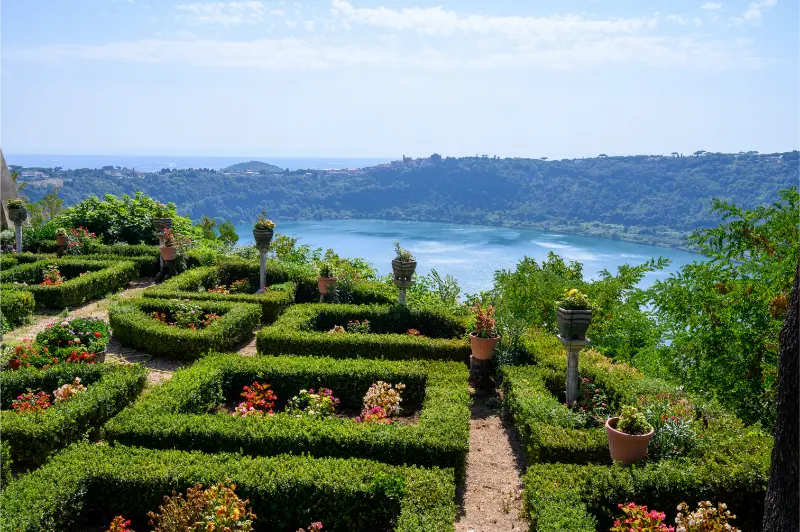
The hill town above Lake Albano combines papal history and one of the area’s classic viewpoints. It is already substantial enough for its own day when paired with the lake.
Ariccia
Known for its bridge, Baroque architecture and porchetta tradition, Ariccia is a food-focused stop with a very different character from Frascati.
Nemi
Small and scenic above its volcanic lake, Nemi is associated with strawberries and the Museum of the Roman Ships. It works best as part of a driving route.
Alban Hills landscape

Forests, crater lakes and viewpoints are what connect the towns. The landscape is not background scenery; it is the reason the area feels like a true break from Rome.
A realistic one-day itinerary
Morning: leave Rome early
Aim for a departure that gets you to the destination before the busiest middle part of the day. Early travel is especially valuable in summer, when heat and crowds build quickly. On arrival, take ten minutes to orient yourself rather than immediately following the first sign or group.
Late morning: see the main sight first
Use your best energy for the attraction or area that justified the trip. If it requires a ticket or fixed entry time, organize everything else around that booking. If it is outdoors, prioritize it before midday heat or afternoon weather changes.
Lunch: make it part of the trip
Food is one of the main reasons to come. Frascati wine, Ariccia porchetta, seasonal mushrooms, local bread, cured meats and rustic trattoria cooking all belong to the Castelli identity. Instead of chasing a famous restaurant, choose a town first and then look for a place that fits your route and transport plan. Build at least an hour into the plan. A rushed meal often saves less time than expected because you still have to queue, order and regroup afterward.
Afternoon: slow down
The afternoon should be simpler than the morning: a second neighborhood, waterfront, viewpoint, museum or short walk. This is also the right time for a coffee or gelato break. Start thinking about the return before you are tired, especially if the final bus or ferry has limited departures.
Best time to go
Spring and autumn are ideal for towns, walking and outdoor lunches. Summer is popular around the lakes and for evening dining. Winter is quieter and can be excellent for food-focused trips, though daylight is shorter and countryside activities are less predictable.
Is it suitable for families?
For families, the answer depends less on the destination name than on transport complexity and walking conditions. A direct train plus a compact center is usually easier than two transfers and a long uphill approach. Carry water, snacks and a lightweight layer, and build in one stop that is simply enjoyable rather than educational. With younger children, a playground, beach, boat ride or open square can be as important as the major sight.
Accessibility and mobility considerations
Historic villages and archaeological sites can include cobbles, stairs, steep gradients and surfaces that are difficult for wheelchairs or reduced mobility. Before traveling, check the accessibility page of the attraction you most want to visit and contact the venue if a lift, accessible entrance or vehicle drop-off is essential. A taxi for the final uphill section can sometimes transform the feasibility of the day.
What to bring
- Comfortable shoes with reliable grip
- A refillable water bottle, especially from May to September
- Sun protection and a hat in warm weather
- A light layer for trains, ferries or cooler hill towns
- Offline copies of tickets and return schedules
- A small power bank if you rely on your phone for navigation
Common mistakes to avoid
The first mistake is leaving Rome too late. A 10:30 departure may look relaxed on paper, but it can put you at the main attraction during the busiest and hottest part of the day. The second is relying on one final bus or ferry. The third is assuming that every attraction follows Rome-style long opening hours. Small museums and churches can close at lunch, on a weekly rest day or for local events.
Another common mistake is combining too much. A second destination should improve the day, not merely add another name. If the first place includes a museum, a long lunch and several kilometers of walking, skip the extra stop. Save it for another trip and enjoy where you are.
Can you combine it with another destination?
The best combinations are thematic: Frascati plus Tusculum for history and wine; Castel Gandolfo plus Lake Albano for views and walking; Ariccia plus Nemi for food and small-town atmosphere. Two well-chosen stops are usually better than five rushed ones.
How this trip fits into a Rome itinerary
On a three-day first visit to Rome, a day trip usually costs too much city time unless you have a specific passion. On four or five days, choose one excursion only after covering your must-see Rome sights. On a week-long stay, one or two day trips can improve the itinerary by creating contrast. For more ideas, compare our best day trips from Rome, Frascati from Rome, Castel Gandolfo from Rome, Nemi from Rome.
Where to stay in Rome for day trips
If several excursions are part of your plan, staying near Termini or another useful transport hub can reduce early-morning friction. If you prefer the historic center, factor taxi or metro time into the start of each day. The “best” hotel location changes when day trips become a major part of the itinerary.
Frequently asked questions
Is this day trip worth it from Rome?
Yes if the destination matches your interests and you have enough time in Rome. It is a weaker choice if it forces you to skip the city sights you came to see most.
Can I do it without a car?
In many cases yes, but the quality of the trip depends on the final connection. Direct-train coastal towns are straightforward; hill villages usually require more planning. Always check the return timetable.
Should I book in advance?
Book any attraction with timed entry, limited-capacity tours, fast ferries or high-season demand. For ordinary regional trains, advance purchase is often less critical than confirming the correct service and validating or activating the ticket according to the operator’s rules.
What time should I leave Rome?
For most full-day excursions, an early start between roughly 7:00 and 8:30 gives the best balance. Ferry days or complex connections may require an even earlier departure.
Is one day enough?
For the core experience, usually yes. If the destination includes beaches, hiking, several museums or an island crossing, an overnight stay can produce a much more relaxed trip.
Final thoughts
The Castelli Romani are not one destination but a group of hill towns, volcanic lakes, vineyards and wooded landscapes southeast of Rome. That variety is their strength—and the main planning challenge. A good day trip chooses one theme rather than trying to visit every famous town. The best version of the trip is not the one with the most attractions; it is the one with enough margin to notice the landscape, eat well, make the return connection comfortably and arrive back in Rome with energy left for the evening.