Best Boutique Hotels in Rome: Stylish Stays with Character
Rome is unusually well suited to boutique hotels. Historic palazzi, former townhouses and small design-led properties fit naturally into neighborhoods such as Monti, Campo Marzio and the lanes around the Pantheon. The result can be far more personal than a large chain hotel, but the label “boutique” does not guarantee the same level of service, room size or facilities.
This guide focuses on how to choose a boutique stay rather than simply chasing fashionable names. The best option depends on whether you want design, a historic building, nightlife, a rooftop, quiet rooms or a location that lets you walk almost everywhere.
Quick picks
| Property | Area | Why consider it |
|---|---|---|
| Palazzo Talìa | Trevi / Largo del Nazareno | Design-led luxury in a restored historic setting close to Trevi and Via del Corso |
| Chapter Roma | Regola / Jewish Ghetto edge | Contemporary, creative feel in a central but characterful part of the city |
| The Fifteen Keys Hotel | Monti | Small-scale boutique atmosphere close to cafés, Cavour Metro and the Colosseum |
| Nerva Boutique Hotel | Imperial Forums / Monti | Intimate base between ancient Rome and Monti |
| Hotel Vilòn | Campo Marzio | High-end boutique stay near Via del Corso and the Ara Pacis |
| G-Rough | Piazza Navona area | Design-oriented suites in the historic center |
What makes a good boutique hotel in Rome?
A strong boutique property usually has a clear identity and a manageable scale, but in Rome the building itself matters just as much. Many hotels occupy protected or centuries-old structures. That can create beautiful staircases, frescoed ceilings and irregular layouts, yet it may also mean small elevators, steps between levels or rooms that differ substantially from one another. Ask for the exact room category you are paying for.
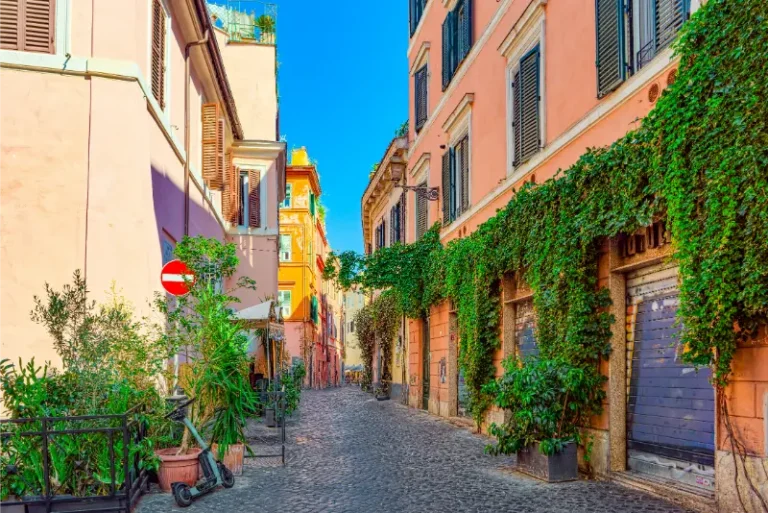
Location is the second test. A boutique hotel can be memorable partly because you step outside into a neighborhood that matches its personality. Monti works well for independent restaurants and ancient-Rome access; Campo Marzio is stronger for shopping and elegant evening walks; the Pantheon/Navona area gives maximum walkability; Trastevere offers atmosphere but can be noisier.
Palazzo Talìa
Palazzo Talìa is a useful example of Rome’s newer generation of design-forward hotels. Its location near Largo del Nazareno places it between Trevi Fountain, Via del Tritone and the Spanish Steps side of the center. The property emphasizes bespoke interiors and the dialogue between historic elements and contemporary Italian design.
It suits travelers who want the hotel itself to feel like part of the trip and who are comfortable paying for design and centrality. As with any historic property, verify the exact room dimensions and whether the room category includes the terrace or architectural features seen in promotional photography.
Chapter Roma
Chapter Roma sits in the Regola area, within walking distance of Campo de’ Fiori, the Jewish Ghetto and Trastevere across the river. The appeal is less about a postcard landmark outside the window and more about being surrounded by streets that still feel layered and lived-in. It is a good fit for travelers who prefer a contemporary, urban atmosphere to formal grand-hotel style.
This location works particularly well for repeat visitors, food-focused trips and couples who want to walk at night without staying in the loudest part of Trastevere. The Pantheon and Piazza Navona remain easy to reach on foot.
The Fifteen Keys and Nerva Boutique Hotel in Monti
Monti is one of the most natural neighborhoods for boutique accommodation because it combines small streets, cafés and restaurants with immediate access to the Colosseum and Imperial Forums. The Fifteen Keys offers a small-hotel feel on Via Urbana, while Nerva Boutique Hotel is tucked close to the Forum side of the district.
Choose Monti when you want ancient Rome in the morning and neighborhood dining in the evening. If your trip is Vatican-heavy, remember that this side of the center is less convenient for early St. Peter’s visits than Prati or Borgo.
Hotel Vilòn and G-Rough
Hotel Vilòn is positioned in Campo Marzio, one of the strongest areas for travelers who prioritize elegance, shopping and a central location without staying directly on a major tourist square. G-Rough, closer to Piazza Navona, leans into an unconventional design identity and suite-style feel.
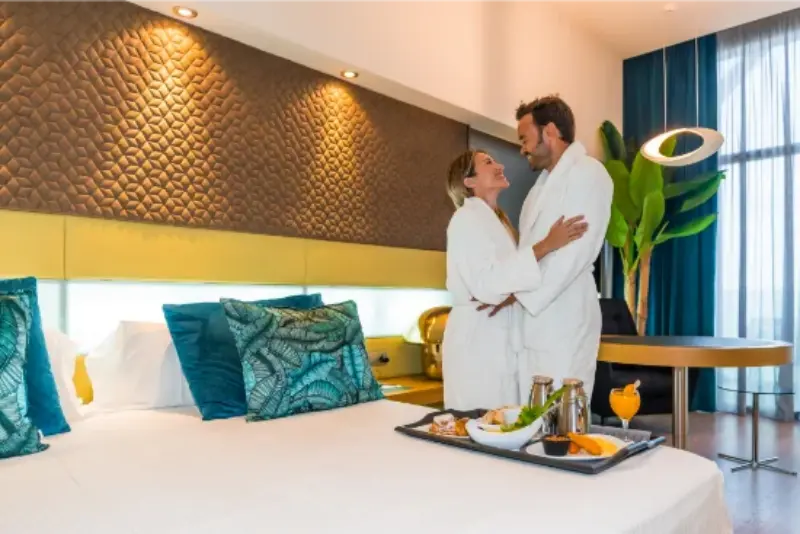
Both illustrate a broader point: “boutique” can mean polished luxury or deliberately eclectic design. Look at the room photography and public spaces carefully and choose the aesthetic you actually enjoy, not the one with the most fashionable label.
Who should choose a boutique hotel?
- Couples: especially when atmosphere and design are part of the trip.
- Repeat visitors: a distinctive neighborhood can matter more than being beside a headline sight.
- Design travelers: Rome now has strong options ranging from restrained contemporary interiors to richly restored palazzi.
- Short city breaks: smaller central hotels can make a two- or three-night trip feel more intimate and walkable.
Who may prefer a larger hotel?
Families needing guaranteed connecting rooms, travelers who want a large gym or spa, and guests who rely on 24-hour full-service infrastructure may find a larger property easier. Boutique hotels can be excellent but often have fewer room categories and less redundancy when something changes.
How to book intelligently
Rome hotel prices can move dramatically according to weekday, season, trade fairs, religious events and school holidays. Instead of treating one online price as the “normal” rate, compare the same room type and cancellation policy for your exact dates. A flexible reservation can be worth a small premium months before travel, while a non-refundable deal may make more sense close to departure when your plans are firm.
Look beyond the headline nightly rate. Add breakfast if you need it, the municipal tourist tax, airport transport, parking if relevant, and the cost of getting back to the hotel during the day. A room that is €25 cheaper but requires two long transfers every day can be worse value than a more central option. For a wider overview, use our where to stay in Rome guide and best hotels in Rome.
Before paying, save the full address and confirm reception or self-check-in arrangements. This matters especially for apartments, guesthouses and late arrivals. Also read recent reviews for issues that age quickly: air-conditioning performance, construction noise, elevator outages and breakfast changes. These operational details are often more useful than comments written several years ago.
Common mistakes
- Assuming boutique means quiet; some of the most stylish properties are on lively central streets.
- Booking the cheapest category and expecting the terrace or view shown in hero images.
- Ignoring elevator and stair access in historic buildings.
- Choosing design over location when your itinerary is very short.
- Using old reviews for operational details that can change quickly.
Frequently asked questions
How early should I book accommodation in Rome?
For spring, early autumn, Easter, Christmas/New Year and major event dates, booking several months ahead is sensible if location matters. The city rarely becomes literally sold out, but the best-value rooms in the most walkable neighborhoods disappear first. Keep a flexible rate when plans are not firm.
Is it better to stay in the historic center or near the Metro?
For a first visit of three or four nights, walkability usually wins. A Metro-adjacent hotel becomes more valuable when you plan repeated trips to the Vatican, EUR, Cinecittà or outer neighborhoods, or when your budget improves substantially outside the center.
Should I book breakfast with the room?
Compare the supplement with your routine. Hotel breakfast is convenient before an early museum entry, but Rome is full of bars where coffee and a cornetto can be quick and inexpensive. Families and travelers with dietary needs may value a dependable hotel breakfast more.
Do Rome hotels charge a tourist tax?
Rome applies a municipal accommodation tax whose amount depends on the type and category of lodging and is generally charged per person per night for a limited number of nights. Because rates and exemptions can change, check the current amount for your property before arrival and see our Rome tourist-tax guide.
Are hotel photos enough to judge a room?
No. Historic buildings often have very different room shapes, views and floor plans within the same property. Check the exact room category, listed square meters, bed type, bathroom, floor, elevator access and whether a terrace or landmark view is guaranteed rather than illustrative.
A final practical checklist before payment
Open the property on a map and trace the route you will actually walk with luggage. Check whether the entrance is on a pedestrian street, whether a taxi can stop nearby, and whether steps appear between the street and reception. Then read the room description line by line: bed type, square meters, bathroom arrangement, air conditioning, elevator, check-in window and cancellation deadline. These details influence a Rome stay more than a tiny difference in review score.
If you are comparing two properties, imagine a real day rather than a map pin. How long does it take to reach your first attraction? Can you return for a midday rest? Where will you eat after 21:00? How will you reach Termini or the airport with luggage? The hotel that gives the easiest answers is usually the better choice even when it costs slightly more.
Finally, keep the booking confirmation and property address available offline. Rome has many similarly named hotels, residences and guesthouses. Showing the exact street to a taxi driver or checking the address when mobile data is weak can prevent an annoying arrival mistake.
Final advice
For most travelers, the best boutique hotel in Rome is the one that makes the neighborhood feel like an extension of the property. Pick the area first, then compare room size, noise, service level and cancellation terms. A smaller hotel can create a much stronger sense of place when those basics are right.