Bracciano from Rome: Castle, Lake and Easy Day Trip Guide
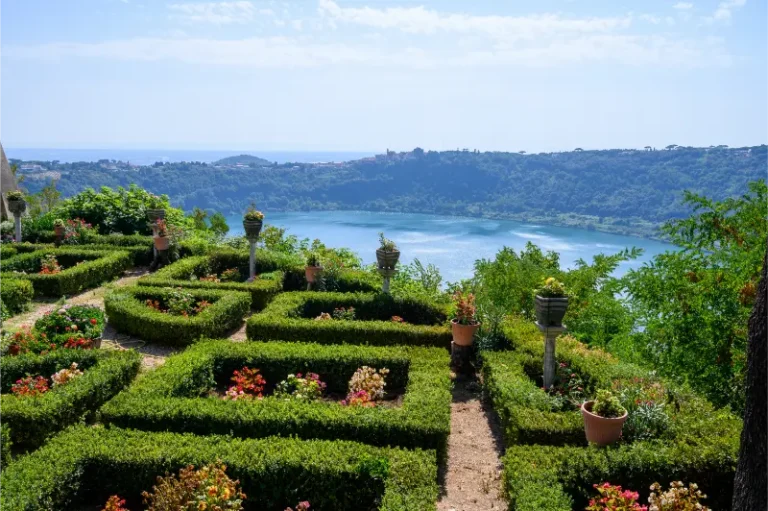
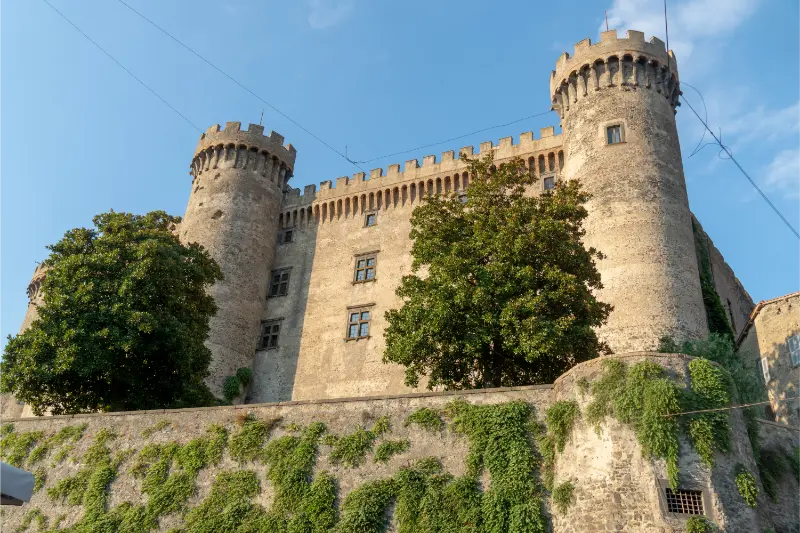
Bracciano is one of the easiest day trips from Rome when you want a medieval town, a major Renaissance castle and a volcanic lake without committing to a long journey. The historic center rises above Lake Bracciano, while Castello Odescalchi dominates the skyline with towers, courtyards and rooms filled with arms, furniture and paintings.
This trip is particularly good for travelers who have already spent several days among central Rome’s ruins and museums. It offers a clear change of pace while remaining practical by regional train. For more alternatives, compare it with our best day trips from Rome guide.
Why choose Bracciano
Bracciano combines three experiences that usually require separate trips: a substantial historic castle, a walkable old town and lake scenery. Unlike destinations where the railway station is far from the historic core, Bracciano can be explored largely on foot once you arrive, though the descent to the lakeshore adds distance and elevation.
It also works well across seasons. Spring and autumn are ideal for walking, summer makes the lake more attractive, and winter can give the castle and old streets a quieter atmosphere. The main limitation is weather: on a very wet day, the lake portion loses much of its appeal even though the castle remains worthwhile.
Getting from Rome to Bracciano by train
Regional trains connect Rome with Bracciano on the line toward Viterbo. Depending on your starting point and service pattern, useful departure stations can include Roma Ostiense, Valle Aurelia or other stops on the FL3 corridor. Check Trenitalia or the current regional timetable on the day you plan to travel because works and substitutions can alter schedules.
Allow roughly an hour for the train journey as a planning estimate, but treat the actual timetable as authoritative. Buy or validate regional tickets according to the rules of the channel you use. If you purchase digitally, check whether the ticket requires check-in or activation under the current regional system.
Check which Rome station gives you the simplest start, not merely the shortest journey printed beside a train result. Trains on the regional corridor serve several stations across the city, so travelers staying in different neighborhoods may have different convenient departures. At Bracciano, the historic center and castle are reached uphill from the station. Leave time for that climb, especially with children or rolling luggage, and check the return service before starting the visit. A late lunch and a castle tour can be surprisingly difficult to combine if you have not looked at the afternoon departures.
Castello Odescalchi
The castle is the main reason to make the trip. Developed by the Orsini and later associated with the Odescalchi family, it is one of the most imposing fortified residences near Rome. The visit moves through courtyards, halls and furnished rooms, giving a much stronger sense of aristocratic domestic life than a ruin with empty chambers.
Do not expect a purely medieval fortress. The building reflects changes in military architecture, residence and display across centuries. That complexity is part of the appeal: defensive towers coexist with rooms designed for ceremony and comfort.
The pleasure of the castle is moving between imposing external defenses and rooms designed for residence. Notice how windows, doorways and views change as you pass from the courtyards into the furnished interiors. If a guided route is required or parts of the building are closed for private events, adapt your plans around the available visit rather than assuming every room will be accessible. The castle attracts day-trippers as well as event visitors, so checking official access on the morning of travel is worthwhile. Shoes with good grip help on older stone surfaces and steps.
Castle opening hours and tickets in 2026
The official Castello Odescalchi site currently lists a full ticket of €10, €8 for children aged 6–12 and €9 for certain reduced categories. The castle is open year-round except 25 December, with winter and summer hours that differ and possible changes for private events. Check the official Bracciano Castle information shortly before traveling.
In summer the site generally remains open later than in winter, while weekends and public holidays can also have extended hours. Because private events may affect access, verifying the date is more important here than at a museum with a fixed weekly timetable.
Walking the historic center
After the castle, explore the compact streets around the old town rather than immediately descending to the lake. Look for viewpoints where rooftops fall away toward the water, small squares and the changing relationship between fortress walls and residential buildings. Bracciano is not a town that needs a long checklist; the pleasure comes from its scale.
Should you go down to the lake?
The lakeshore adds a completely different atmosphere, especially in warm weather, but remember that the historic center sits above it. Walking downhill is easier than returning uphill, and bus or taxi availability may not match your ideal schedule. If the castle and town are your priorities, do those first and decide about the lake based on time, weather and energy.
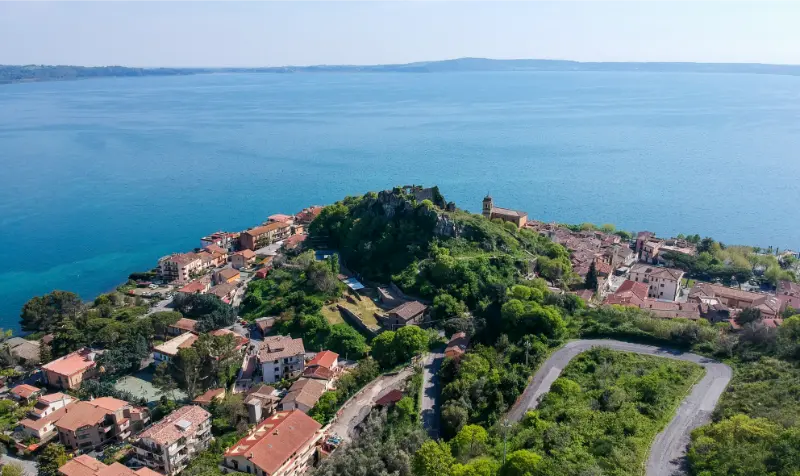
In summer, a lakeside lunch or swim can justify the descent. In winter, a viewpoint from the upper town may be enough. Avoid forcing every version of Bracciano into one day simply because a map shows the lake nearby.
The decision comes down to energy and what you want from the day. Bracciano’s castle sits high above Lake Bracciano, so adding the shore means leaving the compact medieval center and allowing time for the return uphill. In hot weather, the lakeside can be a lovely place for a slower meal, but it also stretches a short cultural outing into most of the day. If you would rather linger inside the castle and explore the town’s lanes, use a viewpoint instead. Travelers wanting a mainly lakeside afternoon may prefer planning the transport legs around the water first and the historic center second.
A realistic Bracciano day-trip itinerary
| Time | Plan |
|---|---|
| 08:00–09:00 | Depart Rome by regional train |
| Morning | Castle visit before peak crowds |
| 12:00 | Old town walk and viewpoints |
| Lunch | Historic center or lakeside depending on season |
| Afternoon | Lake walk or more time in town |
| Late afternoon | Return to station and train to Rome |
This schedule deliberately leaves flexibility. Regional transport and castle access are the fixed points; the lake is optional. That structure prevents you from missing a return train because lunch or the climb back took longer than expected.
Bracciano with children
The castle gives children a clear visual story — towers, armor, large rooms — and the lake provides space after an indoor visit. Families should be realistic about steep streets and the walk back from the lakeshore. If you are traveling with younger children, see our Rome with kids guide for ideas on balancing day trips with easier city days.
What to eat
Bracciano’s restaurants mix Roman and Lazio cooking with dishes influenced by lake and countryside traditions. Rather than chasing a single “must-eat” restaurant from an old blog, choose somewhere with a current menu, recent opening information and a location that fits your route. On weekends, booking lunch can be sensible if you have a specific place in mind.
Bracciano or Castel Gandolfo?
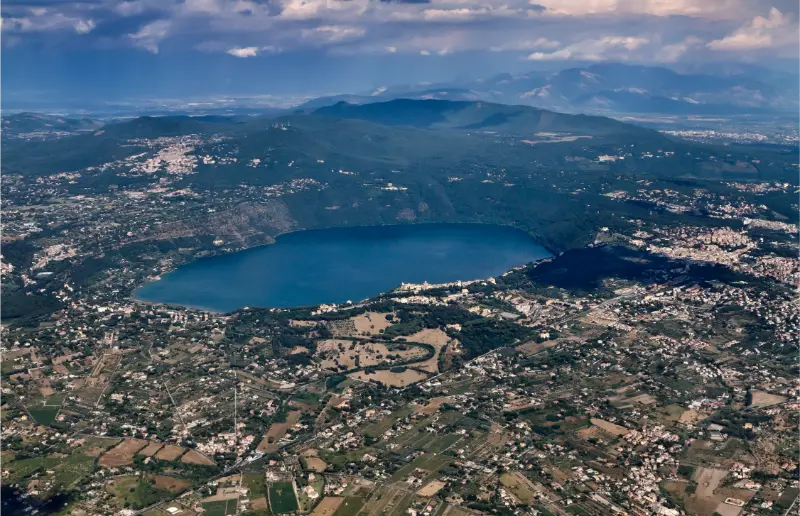
Both offer a lake setting, but the experiences are different. Bracciano is stronger for the castle and a medieval-town atmosphere; Castel Gandolfo is tied more closely to papal history and Lake Albano. Compare our Castel Gandolfo from Rome guide before choosing.
Common mistakes
- Assuming the lakeshore is level with the railway station and castle
- Not checking the castle for private-event closures
- Planning the lake first and arriving at the castle too late
- Relying on an old regional train timetable
- Trying to add another distant town on the same day
Frequently asked questions
Do you need a car for Bracciano?
No. The town is practical by train, especially if your focus is the castle and historic center. A car becomes more useful if you want to circle the lake or visit multiple lakeside towns.
How long do you need?
A full day is comfortable. A half-day can cover the castle and old town, but adding the lakeshore makes the trip more rushed.
Is Bracciano worth it in winter?
Yes if the castle and town interest you. The lake will be less of a leisure focus, but lower crowds can make the historical portion more enjoyable.
A simple decision rule for the lake
When you finish lunch, check three things before descending: remaining daylight, the next two return trains and your energy for the climb or transfer back. If all three look comfortable, go to the lake. If one is tight, stay in the upper town and enjoy a viewpoint instead. This small decision rule prevents the most common day-trip problem — adding one last stop that creates stress without improving the experience. Bracciano already feels complete with the castle and historic center, so the lake should remain a bonus rather than an obligation.
Season-by-season planning
In spring, prioritize the castle and long walks through the historic center, then add the lakeshore if the day is mild. In summer, leave Rome early, visit the castle before the heat peaks and consider spending more of the afternoon by the lake. Autumn can be ideal for clear views and comfortable walking, while winter favors a shorter cultural day focused on the castle, town and a warm lunch. The train makes all four seasons possible, but your ideal balance between town and water should change with daylight and weather.
If you are choosing Bracciano specifically for swimming or beach time, research the current lakeside access and bathing conditions for your date rather than relying on a general sightseeing guide. Local services, water conditions and seasonal facilities can change. The historical trip, however, remains straightforward: train, castle, old town and viewpoints. Keeping those two versions of Bracciano separate — cultural day trip versus lake leisure day — helps you pack correctly and avoids unrealistic expectations.
What to pack for the day trip
Wear shoes that are comfortable on stone streets and slopes, carry water and keep a light layer even in warm months if you plan to spend time inside the castle. In summer, sun protection matters for the historic center and lakeside; in cooler seasons, wind near the water can make the temperature feel lower than in central Rome. Keep your return train details saved offline and bring a small power bank if you rely on digital tickets. These simple preparations matter more than carrying a long list of attractions, because Bracciano is best enjoyed at an unhurried pace.
Final advice
Build the Bracciano day around the castle, not around a rigid list. Take an early regional train, visit Castello Odescalchi while your energy is high, enjoy the historic center and then decide whether the lake fits the weather and season. That flexibility is what makes Bracciano one of the most comfortable escapes from Rome.