Capuchin Crypt Rome: Museum, Bone Chapels and Visiting Guide
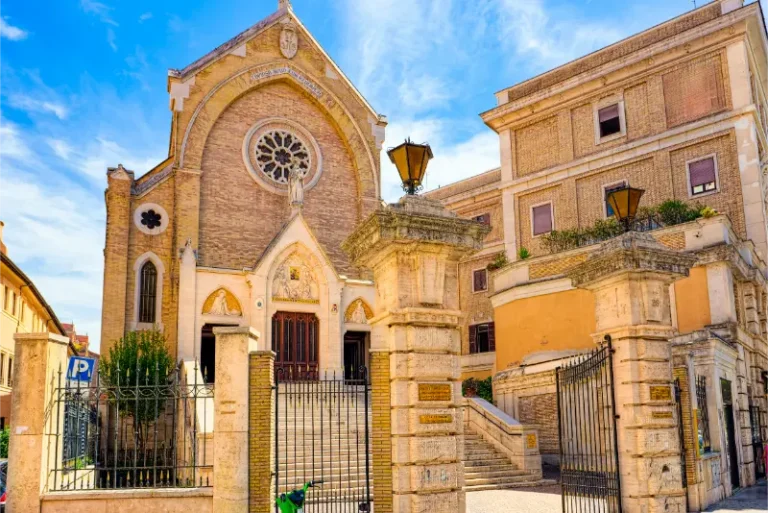
The Capuchin Crypt is one of Rome’s most unusual religious sites: a sequence of small chapels decorated with the bones of Capuchin friars, preceded by a museum explaining the order’s history and spirituality. It can look macabre in photographs, but the intended message is closer to a Christian meditation on mortality than a horror attraction. Located beneath the Church of Santa Maria della Concezione on Via Veneto, the museum is easy to reach from Piazza Barberini and works well as a compact cultural stop. Visitors who understand the context usually find the experience more thoughtful—and less sensational—than they expected.
At a glance
| Best for | Unusual Rome, religious history and compact museum visits |
| Address | Via Vittorio Veneto 27 |
| 2026 hours | Daily 9:30–13:30 and 14:30–18:30 |
| Current full ticket | €10, audioguide included |
| Suggested time | 45–60 minutes |
What the Capuchin Crypt actually is
The crypt contains several small chapels where human bones were arranged into decorative patterns and symbolic compositions. The remains belong largely to members of the Capuchin order, and the visual language is meant to confront visitors with the brevity of earthly life. Skulls, vertebrae and long bones become architectural motifs, but the religious meaning matters more than the novelty.
The official Museum and Crypt of the Capuchins website describes the complex as a place of history, art and spirituality. Approaching it with that framework makes the visit more respectful and more interesting than treating it simply as one of Rome’s “weirdest” attractions.
The museum before the crypt
Your visit begins with museum sections dedicated to the Capuchin order, its history, devotional practices and artistic heritage. This introduction is important because it prepares you for the crypt. Do not skip quickly through the museum just to reach the bone chapels.
The collection includes a painting of Saint Francis in meditation attributed to Caravaggio. Travelers interested in the artist can connect the stop with the broader Caravaggio in Rome itinerary. Even if attribution debates interest you less than the atmosphere, the work reinforces the themes of poverty, mortality and contemplation that continue below.
How to interpret the bone chapels
The arrangements are highly ordered rather than random. Repetition, symmetry and symbolic forms transform remains into a visual meditation. The discomfort some visitors feel is understandable, and that reaction is part of what makes the site powerful. There is no need to force yourself to find it beautiful.
Children and sensitive travelers may react differently. Families should discuss the nature of the crypt before buying tickets rather than surprising younger visitors. This is one of those Rome attractions where knowing what you are about to see is more helpful than preserving a “reveal.”
Tickets, hours and practical rules in 2026
The museum currently opens every day from 9:30 to 13:30 and again from 14:30 to 18:30, with last admission an hour before the end of each session. The ordinary ticket is €10 and includes an audioguide; reduced tickets are available for eligible visitors. Easter Sunday, Christmas Day and New Year’s Day are among the listed closures, with shorter hours on certain other holidays.
The split midday closure is the detail most likely to disrupt an improvised visit. If you are exploring Via Veneto or Barberini around lunch, check the clock before walking over. The official ticket page also explains online fees, group rules and free categories.
What to combine nearby
The crypt is only a short walk from Piazza Barberini and Palazzo Barberini. This makes a useful pairing if you want one major art museum and one short, unusual site in the same part of the city. From there, you can continue toward the Spanish Steps or Trevi Fountain.
Because the crypt visit is emotionally and visually intense despite its short duration, avoid stacking it with several other underground or funerary sites on the same morning. A normal street walk afterward provides a better change of rhythm.
How to fit this into your Rome itinerary
On a first trip, use the Capuchin Crypt as a 45–60 minute stop between Piazza Barberini and the Spanish Steps. Morning is simplest because you avoid the midday closure and still have time for a larger museum later.
On a repeat visit focused on unusual Rome, pair it with one very different site such as Galleria Spada, Villa Medici or a neighborhood walk. Variety helps each place retain its character instead of turning the day into a sequence of dark interiors.
Common mistakes to avoid
- Treating the crypt as a horror attraction rather than a religious site.
- Arriving during the midday closure.
- Skipping the museum context and rushing straight to the bone chapels.
- Taking young children without first explaining what they will see.
Frequently asked questions
How much is the Capuchin Crypt?
The current full ticket is €10 and includes an audioguide. Online purchases have an additional fee.
How long does the visit take?
Most visitors need about 45–60 minutes for the museum and crypt.

Is it suitable for children?
That depends on the child. The site displays real human remains, so families should decide in advance.
Is the crypt near Trevi Fountain?
Yes. It is on Via Veneto near Piazza Barberini, within walking distance of Trevi and the Spanish Steps.
Final thoughts
The Capuchin Crypt is memorable because it is not simply strange. Its bone decoration, museum and Franciscan context ask visitors to think about mortality, humility and how religious communities used visual symbolism. Go with respectful expectations, plan around the split opening hours, and let the experience stand on its own rather than reducing it to a photo opportunity.
A more realistic way to plan the visit
Rome rewards travelers who leave buffers between fixed entries. Security checks, church services, queues, heat and simple walking fatigue can shift a schedule by thirty minutes or more. Keep one nearby alternative in mind and avoid booking another timed attraction immediately after this stop. The historic center is dense enough that a delayed entrance rarely ruins the day if the surrounding streets are part of your plan.
Decide before arriving what would make the visit successful for you. Art lovers may want to study only a handful of works; families may need a shorter circuit; photographers may care about exterior light; history travelers may spend more time reading the archaeological layers. A personal priority produces a better visit than copying a generic checklist.
Comfort, accessibility and practical pacing
Comfortable shoes matter even for short museum visits because the day around them usually includes cobbles, stairs and standing. Carry water when weather is warm, but expect food and drink restrictions inside cultural sites. Visitors with reduced mobility should verify the current accessible entrance rather than assuming the monumental doorway is step-free.

Morning visits generally give you more energy and more flexibility if access changes. Late afternoon can be atmospheric, but it raises the risk of arriving near last entry. The best time is therefore not universal: it is the time that fits the site’s opening rules and the geography of the rest of your day.
How to make the experience memorable instead of rushed
The most satisfying Rome visits usually leave you with one or two specific details rather than twenty names. Before leaving, identify the thing that surprised you most: a ceiling, a small sculpture, an unexpected view, a fragment of ancient wall or the way a street changes character. That habit turns sightseeing into memory instead of inventory.
After the visit, choose a simple transition—a coffee, a quiet square, lunch or a short walk—before opening another map search. Rome becomes tiring when every stop is treated as an isolated pin. The spaces between attractions are part of the trip, especially in neighborhoods where ordinary streets preserve more atmosphere than the formal monuments.
Who should prioritize this stop
Capuchin Crypt Rome is most rewarding when it fits the reason you came to Rome. First-time visitors should prioritize it when the subject strongly interests them or when it lies naturally beside attractions already planned in the same area. Repeat visitors have more freedom to slow down and compare details. Families, photographers and serious art or history travelers will each experience the same place differently, so build the stop around your own interest rather than an abstract ranking.
Season changes the experience as well. Summer favors early starts and shade; winter and rainy days make indoor sites especially valuable; spring and autumn offer comfortable walking weather but heavier demand. Check current access, keep the day geographically compact and leave enough space that one queue does not force you to rush everything that follows.
One final practical rule helps with almost every Rome visit: do not judge the value of a place only by the time spent inside it. A compact museum, church or archaeological area can be memorable because it clarifies the neighborhood around it and makes later sights easier to understand. Leave a few minutes afterward to look back at the façade, read the square, notice nearby streets and decide what you actually learned. That short pause often creates a stronger memory than adding another rushed stop simply because it appears close on the map. When the day is already full, choosing one meaningful experience over two hurried ones is usually the better decision.