Rome Coffee Guide: How to Order, What to Drink and Italian Bar Etiquette
Coffee in Rome is not simply a beverage break; it is a small piece of daily choreography. People step into a bar, order quickly, drink standing at the counter and continue with the day. Travelers who understand a few basic rules can enjoy the ritual without turning it into a cultural exam.
This Rome coffee guide explains what common drinks mean, how table service differs from counter service, when cappuccino is normally ordered, and how to make coffee stops part of sightseeing rather than another item on a must-do list.
What “caffè” means in Rome
If you order un caffè, you will normally receive an espresso. You do not need to say “espresso” unless you want to be especially explicit. The drink is small, intense and designed to be consumed quickly.
If you want something longer, ask for a caffè lungo or Americano depending on your preference, but understand that neither is simply a large filter coffee in the American sense.
Cappuccino and breakfast
Cappuccino is strongly associated with breakfast and the morning. Travelers can order it later if they want; there is no coffee police. The useful cultural point is that locals generally do not pair a milky coffee with a heavy lunch or dinner.
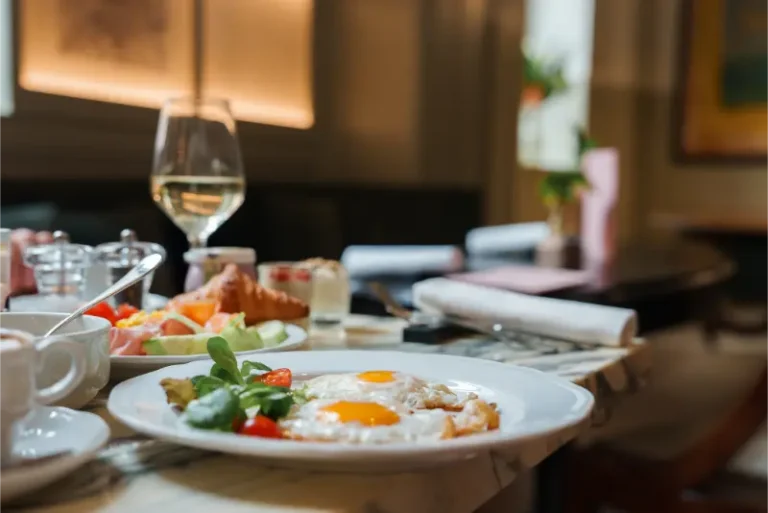
A classic quick breakfast is cappuccino or caffè with a cornetto. For a richer Roman option, look for maritozzo where available.
Macchiato, marocchino and other useful orders
A caffè macchiato is espresso “stained” with a little milk, while latte macchiato reverses the relationship and contains much more milk. A marocchino usually combines espresso, milk foam and cocoa in a small glass, though preparation varies.
If you have dietary requirements, ask clearly about plant-based milk rather than assuming every traditional bar has every option.
Counter versus table service
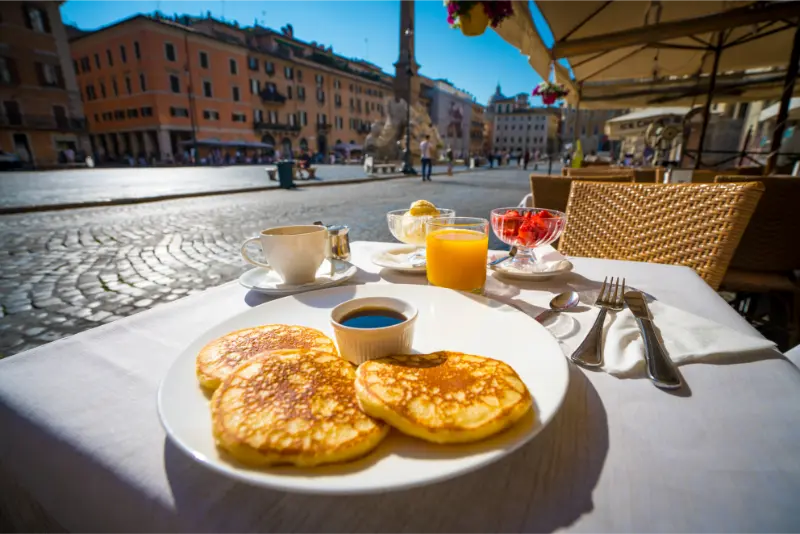
Prices can differ substantially between standing at the bar and sitting at a table, especially in famous squares. This is not necessarily a scam; table service is a different service model and prime locations charge for the setting.
Check the menu or displayed price list before choosing a seat. If you only want a quick coffee, standing at the bar is both cheaper and closer to everyday Italian habits.

How ordering works
In some bars you order and pay first, then give the receipt to the barista. In others you order at the counter and pay afterward. Watch what customers are doing or ask politely.
Busy bars move fast, so decide your order before reaching the front. A simple buongiorno, your drink, and grazie is enough.
Coffee near famous sights
The most famous coffee bars in central Rome can be enjoyable, but popularity often creates queues. Do not assume the “best coffee in Rome” must come from one historic address. A good neighborhood bar near your hotel may become more memorable because you return several times and recognize the staff.
Use famous cafés for history and atmosphere; use ordinary bars for rhythm and convenience. Both are valid travel experiences.
Coffee and heat
In summer, ask about caffè freddo or shaken coffee options such as shakerato, depending on the bar. These can be refreshing without turning the coffee stop into a large dessert drink.
Remember that caffeine is not hydration. Drink water alongside coffee on hot sightseeing days.
Coffee mistakes visitors make
- Assuming every seated coffee should cost the same as one at the counter.
- Ordering before checking whether the bar uses pay-first service.
- Treating cappuccino after lunch as forbidden rather than simply uncommon.
- Walking across the city for one “famous” espresso while ignoring good bars nearby.
- Forgetting that a small coffee stop is meant to make the day easier, not become another stressful reservation.
How to plan this without overloading your day
Use coffee as a natural pause every few hours rather than scheduling a café crawl so tightly that you stop enjoying it. Morning near the hotel, a mid-morning espresso between sights and an after-lunch caffè are enough to experience different moments of Roman bar culture.
A useful rule in Rome is to treat walking time as part of the experience rather than dead time between attractions. Cobblestones, security checks, photographs, church interiors and spontaneous stops make almost every route slower than the map suggests. Build at least 20–30 minutes of margin around important reservations, and avoid placing two non-refundable timed entries back to back unless they are genuinely next door.
Tickets, transport and last-minute checks
Coffee bars rarely require planning, which is part of their charm. Historic cafés or fashionable specialty shops may have queues, but you can nearly always choose an alternative nearby. Check current opening hours if a specific address is important to you.
For anything with a timed entry, use the official website where possible and save the confirmation offline. For trains and local transport, check the operating company again shortly before travel because strikes, engineering work and timetable changes can affect even a well-designed itinerary. External information links in this article are intended as planning references; always verify the final operational details before departure.
Food, water and energy management
Coffee pairs naturally with cornetti, pastries and breakfast items in the morning. After meals, a simple espresso is common. If you want a leisurely dessert-and-coffee stop, choose a place where sitting at a table is part of the experience and accept the corresponding price.
Carry a refillable water bottle, especially from late spring through early autumn, and wear shoes that work on uneven stone. In hot weather, move long outdoor walks toward morning and evening. In winter, protect the strongest daylight hours for parks, archaeological areas and viewpoints. A short coffee stop or a proper lunch often improves the second half of the day more than squeezing in one additional attraction.
Who this experience is best for
This guide is useful for first-time visitors, budget travelers and anyone who feels uncertain about Italian bar etiquette. Coffee culture is one of the easiest parts of Rome to enjoy because it requires very little time or money.
Frequently asked questions
What should I order if I want a regular coffee?
In Rome, un caffè normally means an espresso. For a longer drink, ask for a caffè lungo or Americano.
Is cappuccino after 11 a.m. illegal or rude?
No. It is simply less typical in Italian habits, especially after a meal.
Why is coffee more expensive at a table?
Table service, staffing and location can create a different price from standing at the counter. Check the displayed menu before sitting.
Final advice
The best way to understand Roman coffee is to stop trying to perform it perfectly. Learn the basic drink names, notice how the bar works, check the price before sitting in a famous square and enjoy the fact that a great travel ritual can take five minutes.
One more planning layer: build the day around priorities
Before you leave the hotel, decide which one or two experiences would make the day successful even if everything else changed. Rome rewards flexible travelers because churches can close for services, transport can be delayed, weather can shift and a museum may take much longer than expected. When your priorities are clear, you can drop a minor stop without feeling that the day failed. This is especially important on a first visit, when almost every street produces a new temptation to change direction.
Also remember that neighborhoods are not simply containers for attractions. Give yourself time to notice the change in atmosphere between the monumental center, residential streets, market areas and green spaces. A travel day becomes more memorable when it has contrast: archaeology followed by lunch, a museum followed by a park, or a fast train followed by an unhurried evening back in Rome.
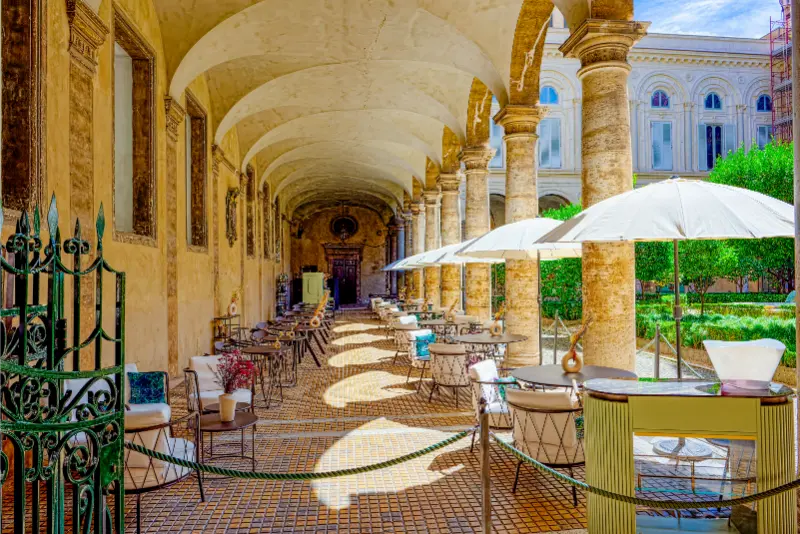
A final practical habit is to check the next morning’s first commitment before going to bed. Confirm the route, ticket name, opening time and expected travel duration, then stop planning. Rome trips become tiring when visitors spend every evening rebuilding the next day from scratch. A small amount of preparation protects the morning while leaving the rest of the schedule open enough for discoveries, longer meals and unexpected stops.
Think of this article as a framework rather than a contract. Seasonal opening hours, restoration work, public events and transport disruption can change what is practical on a specific day. If one element becomes difficult, replace it with something nearby instead of forcing the original plan. Rome has enough density that a strong alternative is usually within walking distance, and the day often improves when you stop treating every planned stop as mandatory.
It also helps to review the route from the perspective of the slowest person in your group. Families, older travelers and anyone with mobility concerns may need more breaks, easier surfaces or fewer changes of transport. Solo travelers can often move faster but still benefit from daylight awareness and a clear return route at night. Good planning is not about maximizing attractions; it is about matching the city to the people actually taking the trip.
Before publishing or traveling, make one final check against official sources for the few facts that can change quickly: admission rules, opening hours, train times and temporary closures. Keep the broader route stable, but let those operational details remain flexible. That small distinction makes a travel guide useful for much longer while still giving readers the confidence to act on it.