Villa Medici Rome: Gardens, Views and Guided Tour Guide
Villa Medici sits above the Spanish Steps on the edge of Villa Borghese, yet many visitors walk past without realizing that its Renaissance gardens and historic apartments can be visited. Since 1803 the villa has housed the French Academy in Rome, giving the site an unusual identity that combines Renaissance collecting, the history of the Grand Tour and contemporary artistic residency. The most rewarding way to experience the villa is through a guided tour, which opens areas not available during a simple exhibition visit. The gardens, façade and elevated setting make it especially appealing to travelers interested in architecture and views as much as museum collections.
At a glance
| Best for | Renaissance gardens, architecture, views and cultural history |
| Address | Viale della Trinità dei Monti 1 |
| 2026 general opening | 9:30–19:00; Tuesday closed |
| Guided tour full ticket | €18 |
| Guided tour duration | About 90 minutes |
What Villa Medici is today
Villa Medici is the home of the French Academy in Rome, a role it has held since the Napoleonic era. Artists and researchers continue to live and work here, so the complex is not a museum in the ordinary sense. Some spaces remain dedicated to the academy’s activities, while exhibitions, events and guided visits open selected areas to the public.
The official Villa Medici visits page explains the available formats. Guided tours explore the gardens and historic apartments, while temporary exhibitions may be visited separately. This distinction is important because buying an exhibition ticket does not automatically recreate the full guided-villa experience.
The Renaissance gardens and façade
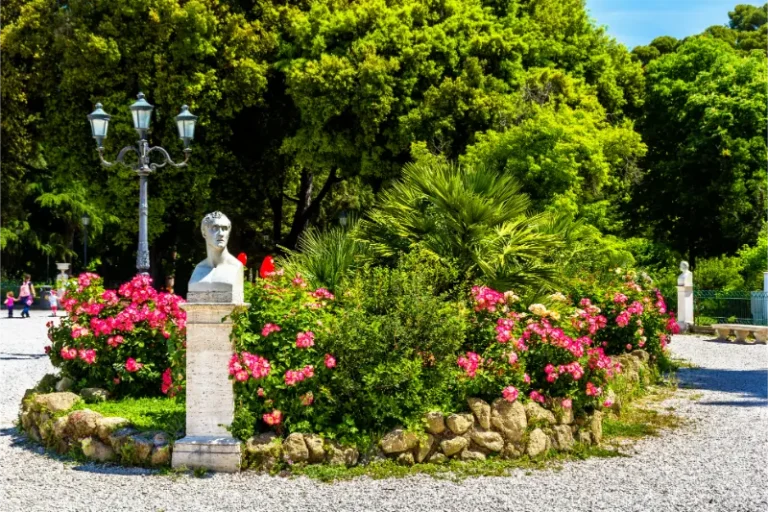
The gardens extend behind the villa in a formal layout that preserves the sense of a Renaissance suburban retreat. Trees, sculptures, architectural fragments and long perspectives create a calm environment despite the central location. Because a significant part of the guided route is outdoors, weather affects the experience more than at a normal gallery.
The garden façade incorporates ancient reliefs and sculptural fragments in a highly deliberate display. It reflects the Renaissance fascination with collecting and reusing antiquity. Travelers who enjoyed Villa Farnesina can compare two very different forms of elite Renaissance residence.
Views over Rome and the Spanish Steps area
Villa Medici occupies one of the city’s best elevated positions, close to the Pincian Hill and Trinità dei Monti. The surrounding area offers views across the historic center, while Villa Borghese begins almost immediately behind the complex.

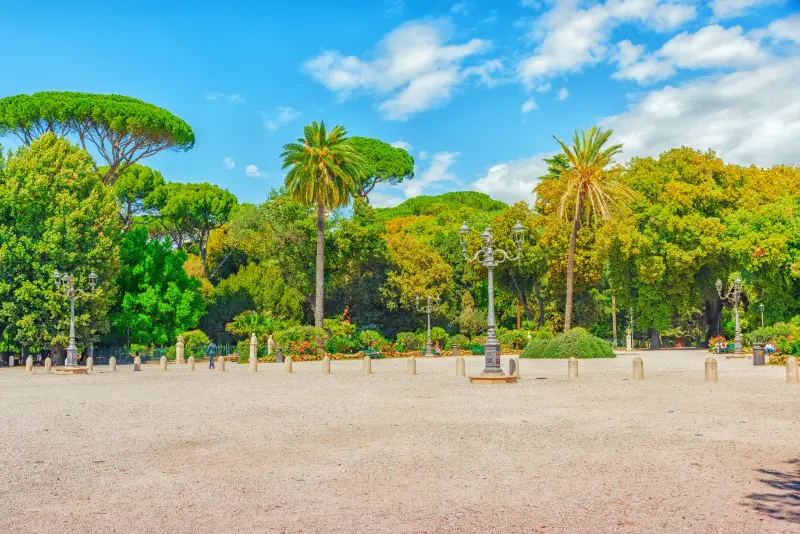
This makes it easy to combine a tour with the Spanish Steps and Villa Borghese. The route is geographically efficient and gives you a mix of architecture, gardens and open-air time.
2026 opening hours, tours and tickets
Villa Medici is currently open from 9:30 to 19:00 and closed on Tuesday. The guided tour is listed at €18 full price and €15 reduced, with tours available in several languages. The tour duration is about one hour and thirty minutes and includes access to current exhibitions.
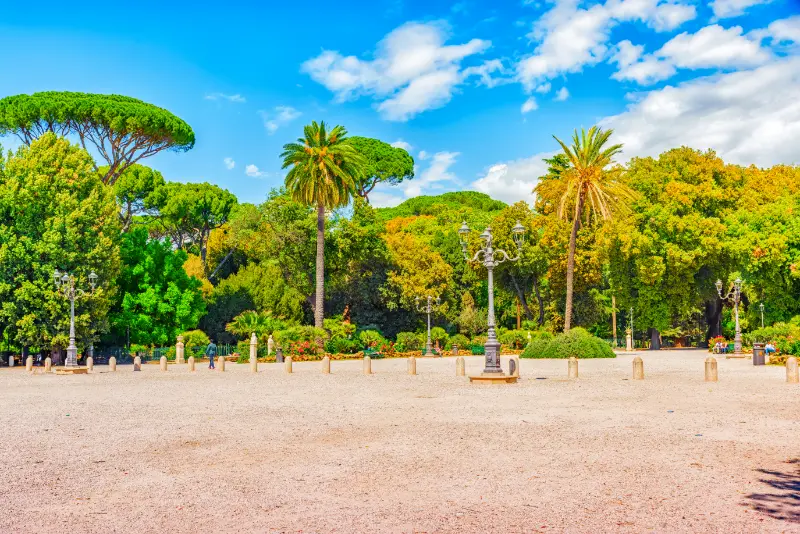
The institution notes that much of the guided visit takes place outdoors and that there is no cloakroom or luggage storage. Large bags, suitcases and certain other items are not allowed. Accessibility varies by space, so visitors with reduced mobility should consult the dedicated information and contact the villa before booking.
How to plan the visit without rushing
Because guided tours start at fixed times, arrive early. The nearest Metro A stop is Spagna, but remember that the villa is above the Spanish Steps; lifts and alternative routes exist, and travelers with mobility concerns should check the current recommended access.
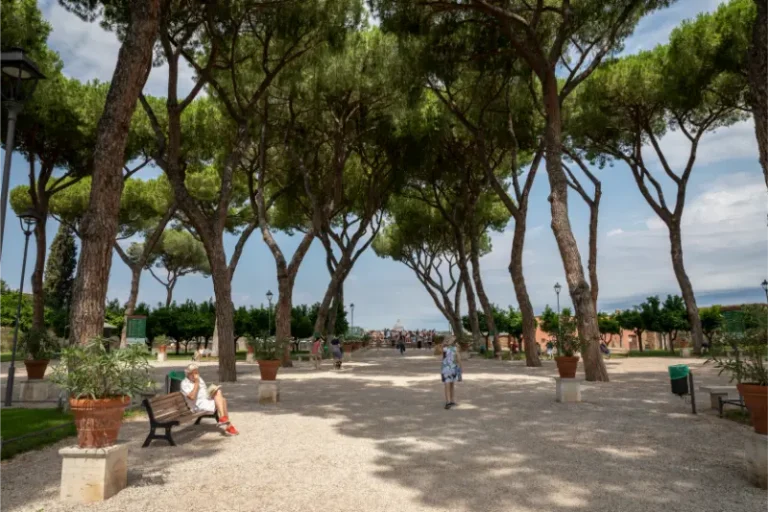
After the tour, resist the temptation to descend immediately into the busiest shopping streets. Walk through Villa Borghese or toward the Pincio terrace first. The change of pace is one of the advantages of choosing Villa Medici over another indoor-only museum.
How to fit this into your Rome itinerary
A strong half day starts with a morning or early-afternoon Villa Medici tour, then continues through Villa Borghese to the Pincio viewpoint. Descend toward Piazza del Popolo or the Spanish Steps depending on your next stop.
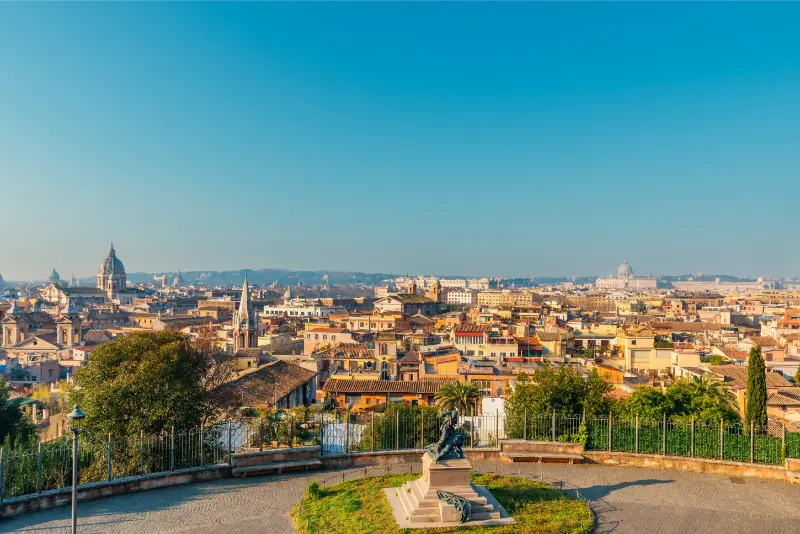
If you are already visiting Galleria Borghese, do not automatically place Villa Medici immediately before or after unless tour times align comfortably. Both deserve attention, and the park between them is part of the experience rather than dead transit time.
Common mistakes to avoid
- Assuming every exhibition ticket includes the full historic-villa guided route.
- Arriving with large luggage when there is no storage facility.
- Forgetting that Tuesday is the normal closing day.
- Ignoring weather even though a significant part of the guided visit is outdoors.
Frequently asked questions
Can you visit Villa Medici in Rome?
Yes. Guided visits, exhibitions and events open selected parts of the French Academy complex to the public.
How much is the guided tour?
The current full guided-tour ticket is €18, with reduced and free categories available.
How long is the tour?
About 90 minutes.
Is Villa Medici near the Spanish Steps?
Yes. It sits above Trinità dei Monti, very close to the top of the Spanish Steps and Villa Borghese.
Final thoughts
Villa Medici is an excellent choice when you want culture without another conventional museum. The Renaissance gardens, historic apartments, French Academy story and elevated position create a visit that feels spacious and varied. Book the right type of visit, arrive prepared for outdoor sections, and use the villa as a bridge between the Spanish Steps and Villa Borghese.
A more realistic way to plan the visit
Rome rewards travelers who leave buffers between fixed entries. Security checks, church services, queues, heat and simple walking fatigue can shift a schedule by thirty minutes or more. Keep one nearby alternative in mind and avoid booking another timed attraction immediately after this stop. The historic center is dense enough that a delayed entrance rarely ruins the day if the surrounding streets are part of your plan.
Decide before arriving what would make the visit successful for you. Art lovers may want to study only a handful of works; families may need a shorter circuit; photographers may care about exterior light; history travelers may spend more time reading the archaeological layers. A personal priority produces a better visit than copying a generic checklist.
Comfort, accessibility and practical pacing
Comfortable shoes matter even for short museum visits because the day around them usually includes cobbles, stairs and standing. Carry water when weather is warm, but expect food and drink restrictions inside cultural sites. Visitors with reduced mobility should verify the current accessible entrance rather than assuming the monumental doorway is step-free.
Morning visits generally give you more energy and more flexibility if access changes. Late afternoon can be atmospheric, but it raises the risk of arriving near last entry. The best time is therefore not universal: it is the time that fits the site’s opening rules and the geography of the rest of your day.
How to make the experience memorable instead of rushed
The most satisfying Rome visits usually leave you with one or two specific details rather than twenty names. Before leaving, identify the thing that surprised you most: a ceiling, a small sculpture, an unexpected view, a fragment of ancient wall or the way a street changes character. That habit turns sightseeing into memory instead of inventory.
After the visit, choose a simple transition—a coffee, a quiet square, lunch or a short walk—before opening another map search. Rome becomes tiring when every stop is treated as an isolated pin. The spaces between attractions are part of the trip, especially in neighborhoods where ordinary streets preserve more atmosphere than the formal monuments.
Who should prioritize this stop
Villa Medici Rome is most rewarding when it fits the reason you came to Rome. First-time visitors should prioritize it when the subject strongly interests them or when it lies naturally beside attractions already planned in the same area. Repeat visitors have more freedom to slow down and compare details. Families, photographers and serious art or history travelers will each experience the same place differently, so build the stop around your own interest rather than an abstract ranking.
Season changes the experience as well. Summer favors early starts and shade; winter and rainy days make indoor sites especially valuable; spring and autumn offer comfortable walking weather but heavier demand. Check current access, keep the day geographically compact and leave enough space that one queue does not force you to rush everything that follows.
One final practical rule helps with almost every Rome visit: do not judge the value of a place only by the time spent inside it. A compact museum, church or archaeological area can be memorable because it clarifies the neighborhood around it and makes later sights easier to understand. Leave a few minutes afterward to look back at the façade, read the square, notice nearby streets and decide what you actually learned. That short pause often creates a stronger memory than adding another rushed stop simply because it appears close on the map. When the day is already full, choosing one meaningful experience over two hurried ones is usually the better decision.