Santa Cecilia in Trastevere: Mosaics, Cavallini and Underground Rome
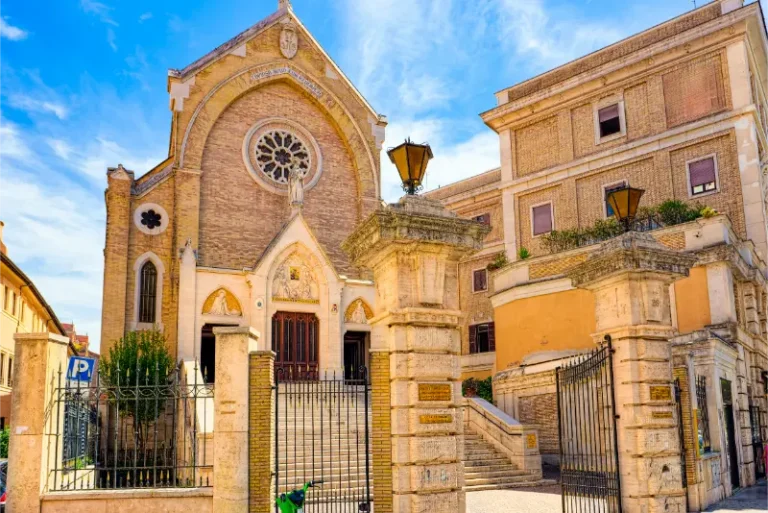
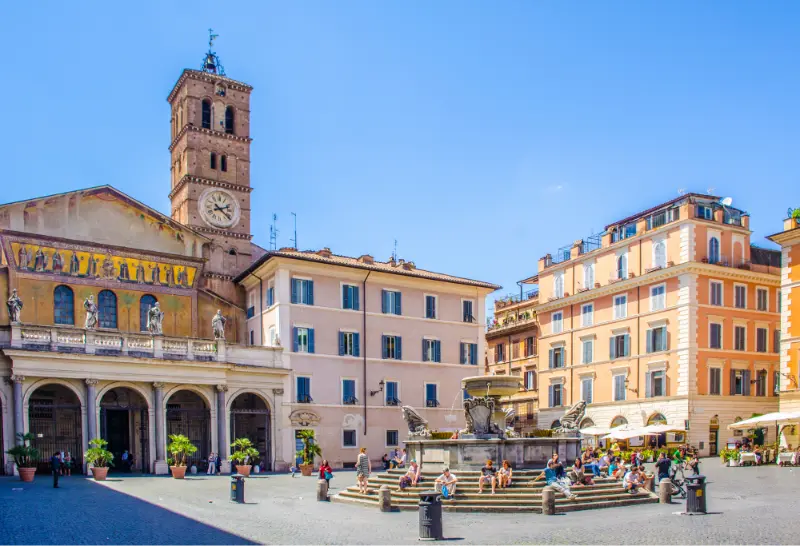
Santa Cecilia in Trastevere is one of the richest churches in the neighborhood, combining medieval mosaics, a celebrated Baroque statue, rare frescoes by Pietro Cavallini and archaeological spaces beneath the basilica. It sits away from the busiest restaurant streets, so the atmosphere can feel unexpectedly calm even when Trastevere itself is crowded. The church is dedicated to Saint Cecilia, patron saint of music, and its artistic layers make it especially rewarding for travelers interested in the transition from ancient Rome to medieval and Baroque Rome. Because different parts of the complex can have different visiting windows, this is a church where checking current hours matters.
At a glance
| Best for | Medieval art, sacred architecture and underground archaeology |
| Location | Piazza di Santa Cecilia 22, Trastevere |
| Key works | 9th-century apse mosaic, Cavallini frescoes, Maderno’s Saint Cecilia |
| Suggested time | 45–75 minutes; longer if visiting underground areas |
| Planning note | Different sections may have different hours |
Why Santa Cecilia deserves a place on a Trastevere itinerary
Many visitors experience Trastevere mainly as an evening neighborhood. Santa Cecilia shows why the area is also important historically. The basilica stands in a zone connected with early Christian memory and later monastic life, and its artworks cover centuries of Roman religious culture. This makes it an excellent daytime counterpart to the food-and-nightlife image of the district.
If you have already visited Santa Maria in Trastevere, the comparison is especially useful. Both churches preserve important medieval mosaics, but Santa Cecilia feels more enclosed and layered, with the added attraction of Cavallini and subterranean remains.
The apse mosaic and medieval Rome
The ninth-century apse mosaic presents Christ with saints, including Cecilia, in the luminous visual language of early medieval Rome. Gold backgrounds and frontal figures can look formal to modern eyes, but the mosaic becomes more expressive when you notice gestures, clothing and the relationship between sacred figures and the church’s patronage.
Rome’s medieval art is often overshadowed by antiquity and the Baroque. Santa Cecilia is one of the places where that imbalance becomes obvious. Spend time with the apse before moving to later works, because it establishes the visual world that subsequent generations inherited and transformed.
Maderno’s Saint Cecilia and the power of restraint
Beneath the high altar lies Stefano Maderno’s marble statue of Saint Cecilia, created around 1600. Instead of presenting the saint as a triumphant idealized figure, the sculpture shows her body in a restrained, almost intimate pose traditionally linked to the condition in which her remains were said to have been found. The effect is powerful precisely because it avoids theatrical movement.
Look at how the sculpture sits within the architecture. Its emotional impact depends on the altar, lighting and the story attached to the saint. This is a good example of why church art is often more meaningful in its original setting than in reproduction.
Cavallini frescoes and the underground spaces
Pietro Cavallini’s late-thirteenth-century Last Judgment survives in the monastic area and is one of the major reasons art historians seek out the basilica. Access is more limited than the main church. Rome’s tourism portal currently lists Cavallini visiting hours concentrated in the morning, with different weekday and holiday windows, so do not assume you can see the frescoes whenever the basilica doors are open.
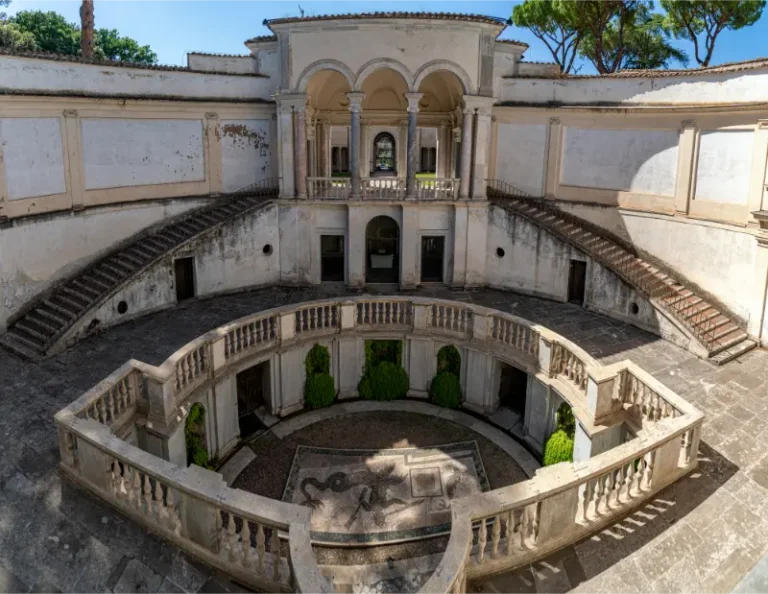
Beneath the church, excavated rooms preserve traces of Roman-era structures and mosaics. These underground spaces help explain how Christian buildings often developed over earlier urban fabric. The official Rome tourism listing provides current general visiting information, but hours can change and the basilica itself recommends checking before arrival.
How to visit respectfully and efficiently
Santa Cecilia is an active church and monastery, not a museum with a single ticketed route. Dress appropriately, lower your voice and avoid treating prayer areas as photo sets. If a liturgy is in progress, wait or return later for detailed art viewing. Separate fees or donations may apply for special areas, and photography rules can vary.
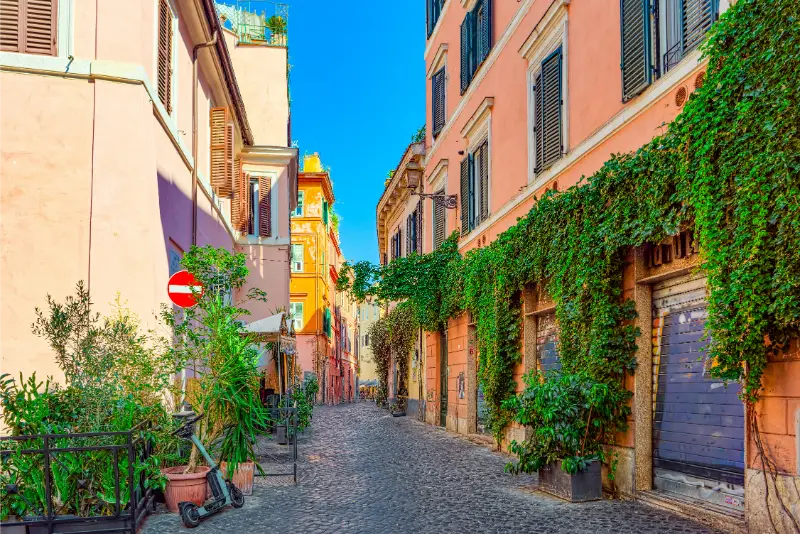
The easiest strategy is to visit in the morning when the Cavallini access is more likely to align with your schedule, then continue through quieter southern Trastevere. This avoids crossing the neighborhood repeatedly and gives you a more local view before lunch crowds build.
How to fit this into your Rome itinerary
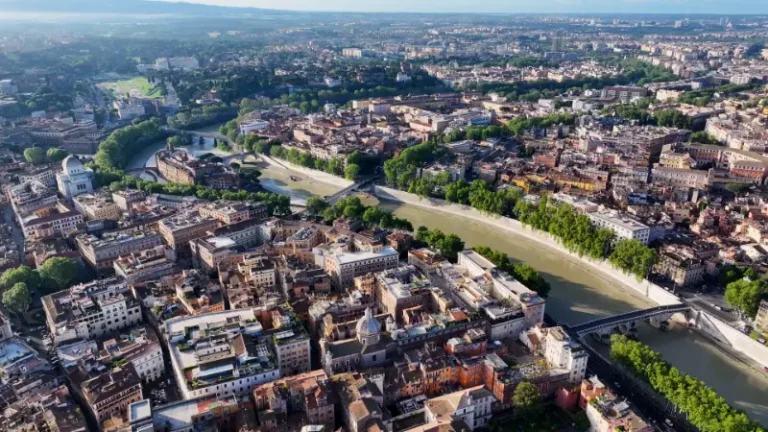
A strong half day begins at Santa Cecilia, continues through the quieter streets toward the Tiber and then reaches Santa Maria in Trastevere before lunch. Afterward, cross Ponte Sisto toward Via Giulia or remain in Trastevere for a slower afternoon.
Art-focused travelers can connect Santa Cecilia to a broader medieval-Rome route including Santa Prassede and San Clemente. These churches are not next door to one another, so spread them across different days rather than turning the itinerary into a cross-city race.
Common mistakes to avoid
- Arriving late in the day expecting guaranteed access to the Cavallini frescoes.
- Treating the basilica like a museum and ignoring worshippers or services.
- Skipping the apse mosaic because the Maderno sculpture is more famous.
- Trying to combine every Trastevere sight in one rushed hour.
Frequently asked questions
Is Santa Cecilia in Trastevere free?

The main basilica is generally entered as a church, while special areas such as the underground spaces or Cavallini frescoes may have separate access arrangements or contributions.
When can I see the Cavallini frescoes?
Current tourism information lists morning access windows that differ between weekdays and holidays. Verify before your visit.
How long do I need?
Allow 45–75 minutes if you want to appreciate the church and at least one special area.
Is it close to central Trastevere?
Yes, but it sits in a quieter southern part of the neighborhood, away from the busiest nightlife streets.
Final thoughts
Santa Cecilia in Trastevere is ideal for travelers who want the neighborhood to mean more than restaurants and evening atmosphere. Medieval mosaic, Cavallini, Maderno and the underground remains create a compact journey through Roman art and memory. Visit early enough to give yourself a chance of seeing the restricted sections, then let the surrounding streets lead you into a slower side of Trastevere.
A more realistic way to plan the visit
Travelers researching Santa Cecilia in Trastevere often make the day harder than it needs to be by optimizing every minute. Rome works better with buffers. Security lines, church services, public-transport gaps, weather and simple fatigue can all shift the schedule. Keep at least thirty minutes of uncommitted time around this stop, save the official page on your phone, and choose one nearby alternative in case access changes. This is especially useful in the historic center, where a closed door rarely means a wasted hour because another church, square, café or museum is usually within walking distance.
A second useful principle is to decide in advance what would make the stop successful for you. Art lovers may want time to study individual works; families may need shorter sections and a food break; photographers may care most about light and exterior views. Building the visit around your own priority is more effective than copying a generic two-hour schedule. It also reduces the temptation to rush through rooms or streets simply because an online list says they are mandatory.
Practical comfort, accessibility and timing
Rome rewards comfortable footwear and realistic pacing. Historic paving can be uneven, churches may have steps, museums can involve long standing periods and neighborhood walks may be hotter than expected. Carry water, but remember that food and drink are often restricted inside cultural sites. Travelers with reduced mobility should confirm the current accessible entrance before arrival, because the most picturesque historic doorway is not always the step-free route.
Morning generally gives you more energy and more flexibility if something changes. Late afternoon can be excellent for atmosphere, but it also increases the risk of arriving close to last entry or during liturgical activity. For food topics, the logic reverses: follow normal Roman meal rhythms rather than chasing snacks continuously. Whatever the subject, the goal is the same—leave enough space to notice the city around the main attraction rather than treating Rome as a sequence of isolated pins on a map.
Who should prioritize this experience
Santa Cecilia in Trastevere is most rewarding when it matches the reason you came to Rome rather than appearing as another obligation on a long list. First-time visitors should prioritize it when the subject strongly interests them or when it sits naturally beside attractions already planned for the same area. Repeat visitors can give it more space because they are less pressured by the Colosseum–Vatican–Trevi circuit. Families should decide whether the visual story is immediate enough for children, while serious art, history and food travelers can slow the pace and compare details instead of rushing onward.
Season also changes the experience. Summer heat makes shaded interiors and early starts more valuable, while winter and rainy days can make museums, churches and food-focused stops especially attractive. Spring and autumn bring comfortable walking weather but also heavy visitor demand. There is rarely one universally perfect hour. The better rule is to check current access, place the stop where it makes geographic sense, and keep the rest of the day flexible enough that a queue or temporary closure does not become a crisis.
What makes the experience genuinely memorable
The strongest travel memories usually come from one or two details noticed properly: the expression on a sculpture, the scale of a nave, the texture of an old street, the contrast between two recipes, or the moment a neighborhood changes character at sunset. Before leaving, pause and identify what surprised you. That small habit makes museums and churches feel less like inventory, and it prevents food exploration from becoming a race to photograph famous dishes. Rome is unusually generous to travelers who pay attention to context.