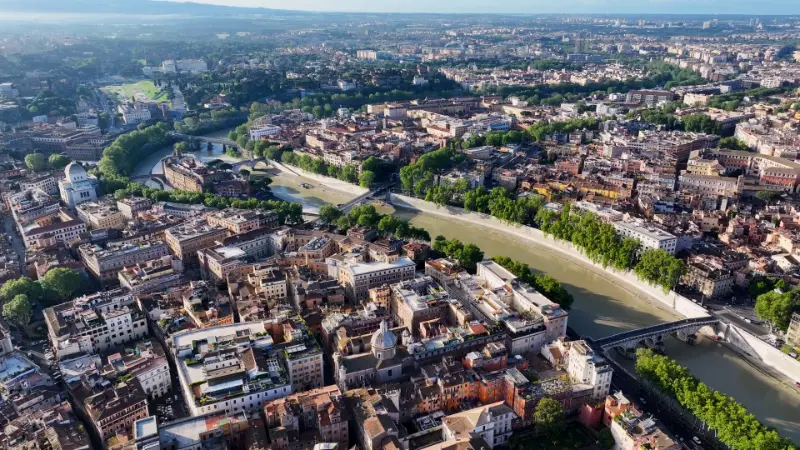
San Bartolomeo all’Isola Rome: Tiber Island Basilica and New Martyrs Memorial
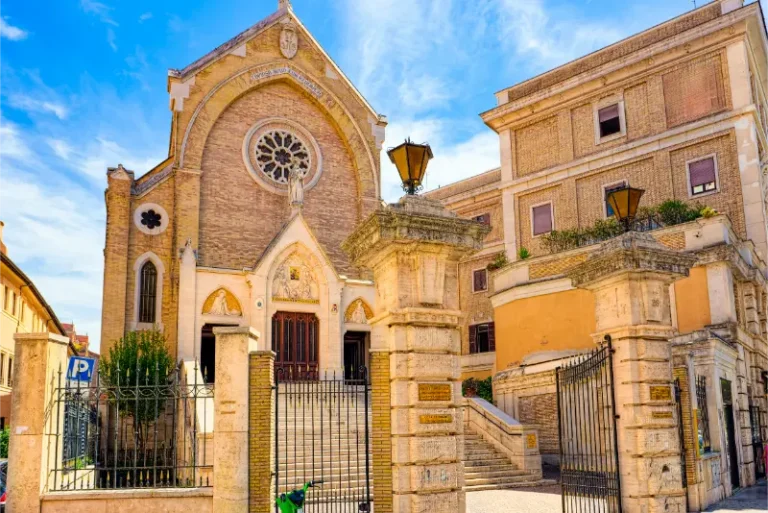
San Bartolomeo all’Isola gives Tiber Island one of its strongest historical and spiritual anchors. Founded around the end of the tenth century on a site long associated with healing, the basilica connects the island’s ancient Temple of Aesculapius tradition with medieval imperial patronage and a modern memorial dedicated to Christian martyrs of the twentieth and twenty-first centuries.
The visit is valuable because the island is often treated merely as a picturesque crossing between Trastevere and the Jewish Ghetto. Entering the basilica turns that crossing into a historical destination and explains why this small piece of land in the Tiber has been linked with medicine, refuge and faith for more than two millennia.
| Planning point | Useful detail |
|---|---|
| Location | Piazza San Bartolomeo all’Isola 22, Tiber Island |
| Access | Active basilica; the New Martyrs Memorial has specific opening periods and can also be visited by arrangement. |
| Cost | Church entry is generally free; special guided visits may have separate arrangements. |
| Suggested time | 40–65 minutes, longer if visiting the memorial in depth |
| Best for | Tiber Island history, medieval Rome, modern religious history and Jewish Ghetto–Trastevere walks |
Why San Bartolomeo all’Isola is worth visiting
The island itself is part of the story. In antiquity it was famous for the sanctuary of Aesculapius, god of healing, and its medical associations continued in later centuries. The basilica does not simply replace the ancient meaning of the place; it becomes another layer in a long history of care, bodies and sacred protection.
The modern memorial adds an unexpected dimension. Through objects and stories connected with modern Christian witnesses and martyrs, the church links medieval architecture to twentieth-century history. This makes the visit emotionally different from a standard art church and especially meaningful for travelers interested in memory culture.
History and context
Emperor Otto III founded the church around the year 1000, initially associating it with Saint Adalbert. The dedication later became strongly linked with Saint Bartholomew. Rebuilding followed damage from Tiber floods, and the current appearance includes substantial early-modern restoration.
Tiber Island has always been vulnerable to water and urban change, yet its compact shape preserved an unusually strong sense of place. The basilica, hospital institutions and bridges together maintain the island’s identity as more than a traffic shortcut between riverbanks.
What to see
The island setting
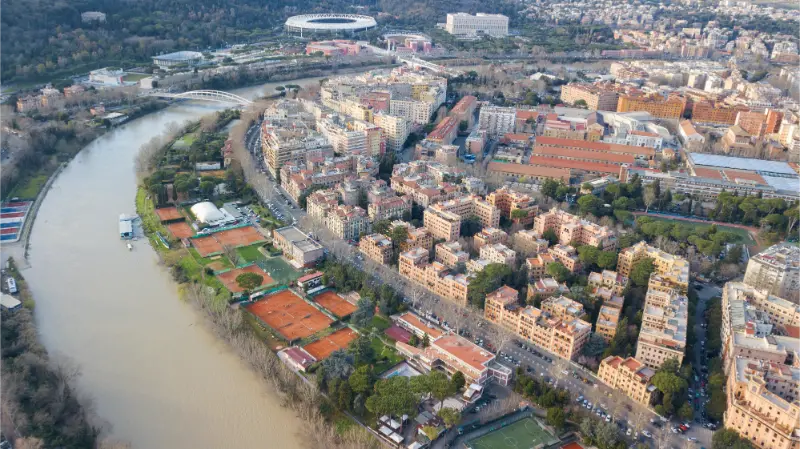
Before entering, walk around the piazza and look toward both bridges. The basilica’s meaning is inseparable from the island, river and centuries of movement between the two banks.
If water levels and weather are safe, viewpoints along the island edges help you understand its boat-like form and the way buildings occupy nearly every available surface.
Medieval origins and later rebuilding
The church preserves the memory of Otto III’s foundation even though floods and restorations changed much of the visible fabric.
Look for elements that feel older or reused rather than expecting a perfectly intact tenth-century basilica. Rome’s medieval monuments often survive through adaptation rather than complete preservation.
The New Martyrs Memorial
The memorial presents stories and objects connected with Christian martyrs and witnesses of the modern era. Its subject matter can be emotionally intense and should be approached with the same quiet respect as a memorial museum.
Check the specific opening schedule before visiting because memorial access is more limited than simply crossing the island or entering during ordinary church hours.
Ancient healing memory
The church stands on the island historically associated with the Temple of Aesculapius. The continuity of medical institutions nearby makes that ancient identity unusually persistent.
After the church, walk around the hospital side of the island and consider how themes of healing continued even as religions, buildings and political systems changed.
How to plan your visit
The island is easy to visit spontaneously, but the memorial requires more planning. If the modern history is a priority, confirm current opening or guided-visit possibilities first. Otherwise, use the basilica as a flexible stop during a walk between Trastevere and the Jewish Ghetto.
Avoid scheduling the island only at the hottest middle of a summer day. The bridges and stone surfaces can be exposed. Morning or late afternoon also gives better light on the river and makes it easier to continue into Trastevere for food or evening walking.
A practical way to protect the quality of the visit is to keep some flexibility around San Bartolomeo all’Isola. In central Rome, church ceremonies, maintenance, special exhibitions and crowd patterns can alter what is accessible even when the building itself is open. Build a small buffer into the day, avoid placing a non-refundable timed ticket immediately afterward, and use the surrounding neighborhood as a fallback rather than treating a temporary closure as lost time. Because the site is especially useful for Tiber Island history, medieval Rome, modern religious history and Jewish Ghetto–Trastevere walks, a slower visit usually gives more value than trying to squeeze it between two distant attractions.
- Check memorial hours separately from ordinary church access.
- Walk both bridges to appreciate the island setting.
- Keep noise low; the basilica is an active religious space and memorial site.
- Combine the stop with the Jewish Ghetto and Trastevere on foot.
- In wet weather, watch for slippery stone near river viewpoints.
What to see nearby
The basilica is best understood together with our Tiber Island guide, the Jewish Ghetto, Trastevere. These places form one of central Rome’s most satisfying compact walking zones.
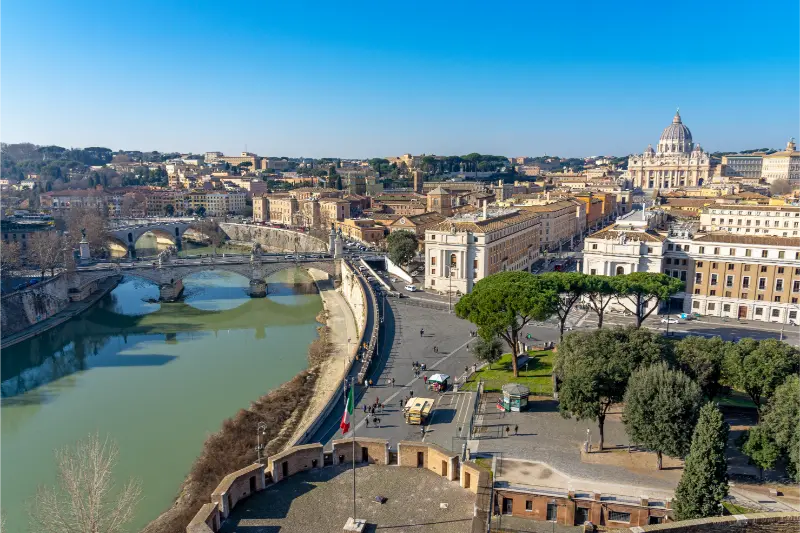
Begin in the Jewish Ghetto, cross onto Tiber Island for the basilica and memorial, then continue over Ponte Cestio into Trastevere. The route follows historical connections across the river rather than treating each neighborhood as a separate destination.
Who will enjoy this stop most?
Travelers interested in medieval Rome, sacred geography and modern history will find the basilica especially rewarding. It is also a strong addition for anyone who wants to understand Tiber Island beyond its restaurants and river views.
Families can enjoy the physical island setting even if the memorial’s themes are too serious for young children. Repeat visitors may appreciate this site because it offers a new story within a part of Rome they may already know well.
For a first visit to San Bartolomeo all’Isola, it helps to choose one theme before you enter rather than trying to absorb everything at once. You might follow architecture, devotional history, painting, sculpture or the relationship between the building and the streets outside. After that first pass, make a second, shorter circuit and notice details you missed. This two-stage approach is particularly effective in Rome, where interiors accumulated over centuries and a visitor can easily confuse works from very different periods. It also makes the visit easier to remember later because you leave with a few clear visual anchors rather than a long list of names.
If your schedule allows, return to the exterior after the interior visit and spend five minutes looking at San Bartolomeo all’Isola in its neighborhood context. The surrounding paving, street width, nearby façades and movement of pedestrians often explain why an entrance, dome, tower or courtyard feels the way it does. Rome’s monuments were designed inside a living city, not as isolated museum objects. That final outside look often turns a good visit into a more coherent understanding of the site.
Photography, accessibility and respectful visiting
The best exterior photographs include the river or bridge approach rather than isolating the façade. Inside and in the memorial, follow current photography rules carefully; objects connected with personal suffering deserve particular discretion.
Tiber Island is reached by bridges with relatively gentle approaches, but paving can be uneven and some interior or memorial areas may have limitations. Confirm current accessibility if step-free movement is essential.

One more practical point is to separate seeing from documenting. At San Bartolomeo all’Isola, spend the first few minutes looking without taking photographs or checking a map. Notice the direction of light, the way visitors naturally move and which details attract your attention. Only then decide what is worth recording. This reduces screen time, keeps narrow interiors calmer and usually produces better photographs because you understand the space before framing it. In active churches, this approach is also more respectful; in museums, it helps prevent the common mistake of collecting images without remembering the actual visit.
FAQ
Who founded San Bartolomeo all’Isola?
The church was founded around the end of the tenth century by Emperor Otto III and later became associated with Saint Bartholomew.
What is the New Martyrs Memorial?
It is a memorial within the basilica dedicated to modern Christian witnesses and martyrs, using stories and objects to interpret twentieth- and twenty-first-century persecution.
Is the church connected with the ancient Temple of Aesculapius?
It occupies the same island long associated with the ancient sanctuary of Aesculapius. The relationship is primarily one of place and historical continuity rather than survival of a complete ancient temple.
How long should I spend here?
Allow 40 to 65 minutes for the basilica and island context. If you visit the memorial carefully, you may want longer.
What is the best route afterward?
Continue to Trastevere or return toward the Jewish Ghetto. Both are within minutes on foot.
Final planning advice
San Bartolomeo all’Isola transforms Tiber Island from a crossing point into a destination. Its medieval foundation, ancient healing context and modern memorial create one of the richest historical sequences you can encounter in such a small part of Rome.