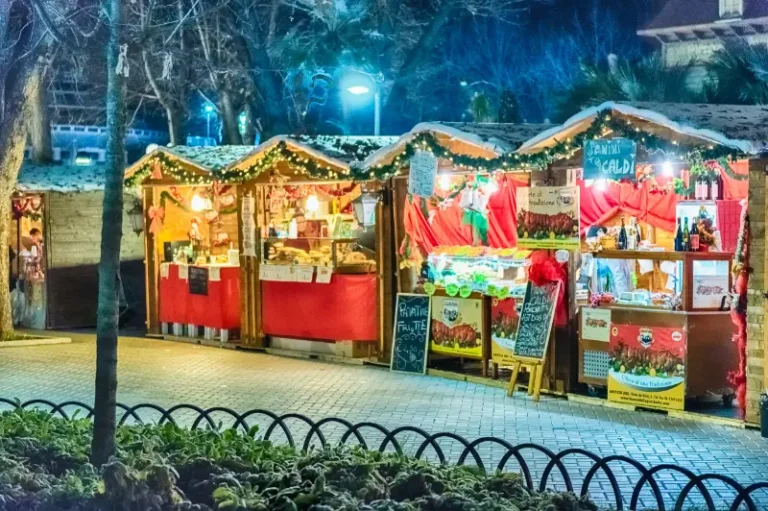

Rome Souvenirs Guide: What to Buy and What to Avoid
The best Rome souvenirs are not necessarily objects printed with the Colosseum. A good souvenir should connect to something you actually experienced: Roman food, a museum, a neighborhood workshop, a bookshop, a design tradition or a specific work of art. Rome has plenty of cheap mass-produced merchandise, but it also offers excellent edible gifts, paper goods, ceramics, prints and museum-shop pieces.
This guide is about choosing well rather than buying more. If you already plan to shop in the city, pair it with the Rome shopping guide and the Rome markets guide so you can distinguish souvenir streets from places where residents actually buy food and household goods.
Edible souvenirs
Dried pasta, coffee, chocolate, biscuits and sealed specialty foods are easy to pack. Pecorino Romano and cured meats can be excellent choices, but customs rules at your destination matter, especially outside the European Union. Ask for vacuum-packed products when appropriate and never assume animal products can cross every border.
Coffee and kitchen items
A bag of coffee from a roaster or a small moka-related accessory can connect directly to Roman bar culture. Use the Rome coffee guide to understand what you have been drinking before buying. Avoid oversized novelty items that are difficult to use once home.
Art prints and museum-shop gifts
Museum bookshops are underrated places for high-quality souvenirs. Exhibition catalogues, postcards, prints and design objects usually have a clearer connection to the collection than generic street merchandise. They are especially good when you want a gift with a story but limited luggage space.
Religious souvenirs
Around the Vatican and major basilicas you will find rosaries, medals, icons and other devotional objects. Quality ranges from mass-produced to artisan. If religious meaning matters to the recipient, buy from a reputable shop and prioritize materials and craftsmanship over elaborate packaging.
Leather, ceramics and artisan claims
Words such as “handmade,” “Italian leather” and “artisan” are easy to print on a sign. Ask where an item was made, inspect seams and finishing, and compare several shops. A higher price alone does not prove local production.
Books and paper goods
A small art book, map reproduction, notebook or print can be one of the easiest meaningful souvenirs. Independent bookshops and museum stores often carry items that reflect Rome’s architecture and visual culture without being kitsch.
What to avoid
- Counterfeit branded goods sold without clear provenance.
- Bulky plaster monuments that are fragile and hard to pack.
- Food products without proper labels or sealed packaging for travel.
- “Ancient coins” or archaeological objects from dubious sellers.
- Anything made from protected wildlife materials.
- Impulse purchases near major attractions before comparing quality and price.
Packing and airport considerations
Liquids in hand luggage remain subject to airport-security rules that can vary by airport and screening lane. Olive oil, wine and sauces are therefore easier in checked baggage or airport-compliant packaging. Wrap ceramics between clothes and keep receipts for expensive items.
A simple buying strategy
Choose one edible item, one paper or art object and—only if you genuinely love it—one more substantial artisan piece. This produces a better memory of Rome than returning with a bag of near-identical magnets.
Frequently asked questions
What is a good cheap Rome souvenir?
Postcards, small prints, packaged biscuits or a simple food specialty can be inexpensive without feeling disposable.
Where should I buy souvenirs?
Museum shops, specialty food stores, markets and established local retailers generally provide better context than stalls directly beside the busiest monuments.
Can I bring cheese or cured meat home?
It depends on your destination country’s customs rules. Check before buying, particularly when traveling outside the EU.
Are Vatican souvenirs only available inside Vatican City?
No. Many shops around the Vatican sell devotional goods, while official museum and basilica-related outlets provide their own selections.
How to fit this into a realistic Rome itinerary
A good Rome day leaves enough space around Rome souvenirs for queues, security, heat, navigation and spontaneous stops. Avoid planning by distance alone: two places that look close on a map can still require stairs, traffic crossings or a timed entrance. Pair this experience with one or two nearby priorities and keep at least one flexible break for coffee or lunch.
For first-time visitors, geographic grouping is more useful than chasing a citywide top-ten list. Central Rome is walkable, but repeated cross-city transfers quickly drain time. If a major timed attraction is part of the same day, place the flexible church, museum or food stop before or after it rather than between two fixed reservations.
Best time of year and time of day
Spring and autumn are comfortable for walking but also busy. Summer requires heat management, while winter gives shorter daylight and occasional rain but can make indoor culture especially attractive. In every season, early morning usually reduces crowds around outdoor landmarks; museums and churches can be better during midday heat.
Opening arrangements can change around holidays, religious celebrations, exhibitions, strikes, restoration work or institutional events. Use the practical details in this guide as a planning baseline, then confirm the official source shortly before the visit when a specific time, ticket or reservation is essential.
Accessibility and traveling with children
Historic Rome is not uniformly accessible. Cobblestones, steps, old lifts and narrow entrances can matter more than the straight-line distance on a map. Families should also keep the visit focused: one clear story, artwork or practical objective is often enough to make a stop memorable for children without turning the day into a lecture.
Travelers with mobility requirements should check the venue’s current accessibility page or contact the site when access is critical. Temporary routes can differ from permanent descriptions, especially during restoration. Build extra transfer time and avoid assuming that every historic entrance is the accessible entrance.
What to notice instead of rushing
When you reach Rome souvenirs, spend the first few minutes orienting yourself before taking photographs. Identify the building’s relationship with the street, nearby monuments or neighborhood. Inside, look for scale, materials, light and circulation. These observations create a stronger memory than collecting dozens of disconnected photos.
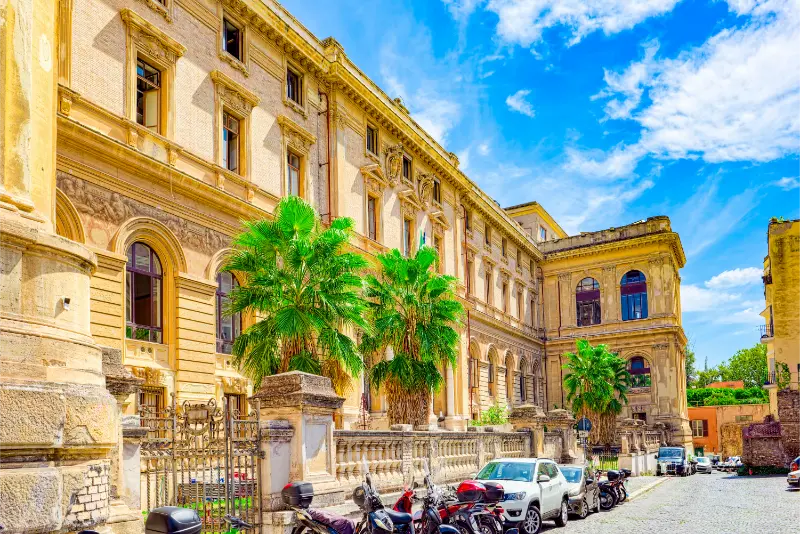
Rome’s value comes from layers. Ancient structures survive inside later buildings; Baroque interventions reshape medieval spaces; modern transport moves beside imperial ruins. Ask what belongs to which period and what changed. Even a short visit becomes more meaningful once you stop expecting every site to represent only one century.
Final practical advice
Carry a small bottle, comfortable shoes and as little unnecessary gear as possible. Save the official location and opening information before leaving your hotel in case mobile reception is poor inside thick historic buildings. If a site is unexpectedly closed, have one nearby alternative rather than crossing the city in frustration.

Most importantly, do not measure a Rome day by the number of attractions completed. A museum, church, neighborhood meal or quiet square can be the highlight precisely because you had time to notice it. Use this guide to make decisions, then leave enough flexibility for the city to interrupt your plan.
A deeper way to experience this part of Rome
Try to connect what you see with something encountered earlier in the trip. Compare a Baroque interior with another church, a sculpture collection with the Capitoline Museums, or a neighborhood habit with what you observed near your accommodation. Comparison turns isolated sightseeing into understanding and helps you remember why places differ.
If you enjoy photography, make one wide image for context, one medium view that explains the space and one detail you genuinely find interesting. Then put the phone away for a few minutes. If you travel with other people, ask what they noticed first; different reactions often reveal details you missed.
Before leaving, decide whether the stop changed the rest of your itinerary. You may want to follow an artist to another church, visit a related museum, try a food you learned about, or simply slow down. Rome works best when one place leads naturally to the next rather than when every stop is predetermined.
Who will enjoy this most
Rome souvenirs works best for travelers who enjoy adding context to the famous sights rather than racing only between landmarks. It is especially useful on a second or longer visit, but first-time visitors can also benefit when the stop lies naturally along their route. The key is to treat it as part of the neighborhood rather than as an isolated box to tick.
If your schedule is already crowded, choose depth over accumulation. One well-understood church, museum, local ritual or practical system often teaches you more about Rome than three hurried stops. Travelers with a strong interest in art, history, food or urban life should allow extra time, while families can focus on one or two memorable details and then move on before attention fades.
Planning for real conditions on the day
Rome changes from hour to hour. A street can be empty at breakfast and congested by lunch; a church can close briefly for a service; a museum room can be unavailable during installation; summer heat can make a fifteen-minute walk feel much longer. Keep your itinerary flexible enough to absorb these conditions without losing the whole day.
Save the official page, carry identification when a booking may require it, and keep a small amount of time between fixed reservations. If you arrive and conditions differ from what you expected, ask staff or read the current notice before assuming the information is wrong. Temporary changes are normal in a living city with active churches, government buildings, archaeological work and rotating exhibitions.