Appian Way Rome Guide: How to Visit Via Appia Antica
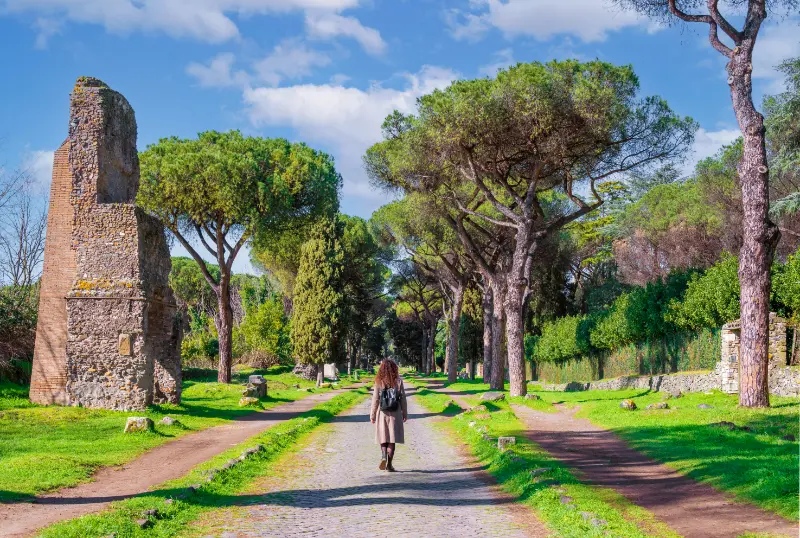
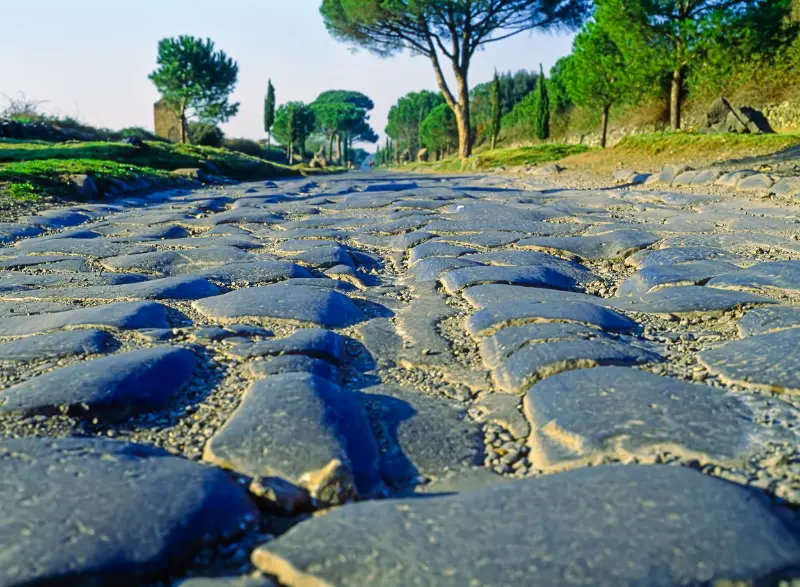
The Appian Way is one of the rare places in Rome where the city seems to dissolve into countryside without losing its history. Ancient paving stones, umbrella pines, tombs, villas and catacombs create a route that feels completely different from the Colosseum or Vatican.
Via Appia began in 312 BC under Appius Claudius Caecus and eventually connected Rome with southern Italy. Traditionally called Regina Viarum, Queen of Roads, it became part of a UNESCO World Heritage inscription in 2024.
What the Appian Way was
The ancient Via Appia was strategic infrastructure rather than a scenic promenade. It supported military movement, trade and administration. Tombs lined the approaches to Rome because burial inside the city was restricted, while elite estates developed along the route.
Today, the visitor experience includes the public road landscape and archaeological sites managed within the Parco Archeologico dell’Appia Antica. You do not need to enter every ticketed monument to enjoy the road.
Cecilia Metella and Villa dei Quintili
The Mausoleum of Cecilia Metella is one of the route’s most recognizable monuments. Its massive cylindrical tomb and later fortifications show how ancient structures were reused over centuries.
Villa dei Quintili is one of the most impressive elite residential complexes along the Appian route. Its baths and reception spaces deserve more than a quick roadside stop and can become the main archaeological anchor of a full-day visit.
Catacombs
Major Christian catacomb complexes in the Appian area include San Callisto and San Sebastiano. They are managed separately from the standard archaeological-park ticket and normally have their own guided-visit rules and weekly closures.
If catacombs are a priority, reserve them first and build the road walk around that time. Do not assume one Appia ticket includes every religious or archaeological site in the district.
2026 tickets and temporary closures
The Parco Archeologico dell’Appia Antica changed its ticketing in July 2026. The official park ticket is currently €12 full price, valid for seven days from first use and covering participating park sites including Cecilia Metella and Villa dei Quintili–Santa Maria Nova.
As of September 2026, the official park reports temporary restoration closures at Capo di Bove and the Tombs of Via Latina. Reopening can change, so verify the official visitor information before traveling.
Opening hours
Core park sites operate on seasonal schedules, generally with longer hours from April through September and earlier winter closing. Many state-managed sites are closed on Monday, but individual rules and special openings can vary.
The Appian Way itself is a landscape rather than one single gated attraction, so distinguish between public road access and the opening hours of specific monuments.
Walk or cycle?
Walking is best if you want to study paving, tombs and small details. Cycling lets you cover more of the rural-feeling road, but ancient basalt paving can be rough. A wider-tire bicycle is generally more comfortable than a delicate city bike on uneven sections.
Families should think about traffic on connecting roads and the riding confidence of children. The regional park provides bicycle-rental information around the Appia visitor point, but check the current service and return time.
A half-day route
Start in the morning near the visitor area, move toward the catacomb zone if included, continue to Cecilia Metella and follow the ancient road south. Stop at tombs and preserved paving rather than treating every kilometer as something to finish.
A half-day gives a strong first impression. A full day is better if you want Villa dei Quintili, a catacomb visit and longer cycling.
How to get there
The official park recommends public transport, walking or cycling because parking is limited. Current access includes bus connections from central Rome and metro-plus-bus combinations. The park’s directions list bus 118 toward Villa dei Quintili among useful options.
Transport patterns can change, so check ATAC on the day. A taxi can be practical for reaching a precise starting point, but arrange the return rather than assuming taxis will pass frequently.
Best season and what to bring
Spring and autumn are ideal. Summer can be beautiful but hot, so start early and carry more water than you think you need. Winter offers crisp light and less heat but shorter opening hours and a higher chance of rain.
Bring sturdy shoes, water, sun protection, a charged phone with offline maps, a snack for longer routes and identification if you qualify for reduced admission.
Children, accessibility and nearby sights
School-age children can enjoy the Appian Way because it combines movement and ruins, but standard strollers struggle on ancient paving. Choose a short section and avoid peak heat.
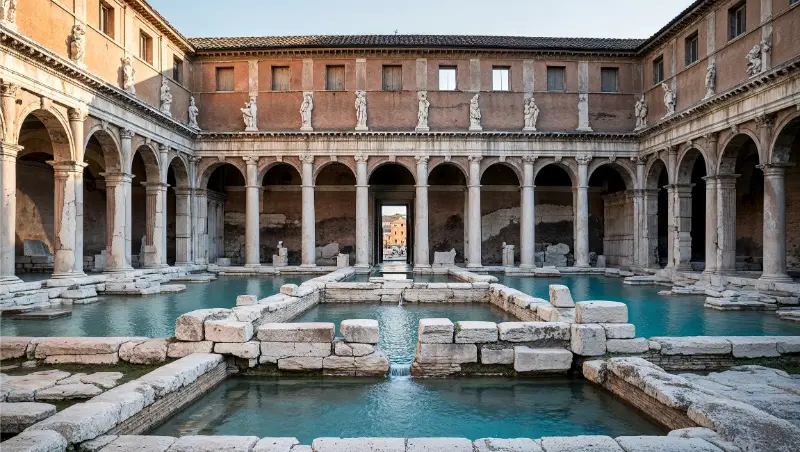
Accessibility varies because this is a large archaeological landscape with rough surfaces. Visitors with mobility limitations should check each site’s official accessibility information. Nearby Baths of Caracalla, Circus Maximus and Testaccio can be logical additions, but avoid overcrowding the day.
Understanding the 2026 park ticket
T
h
e
A
p
p
i
a
A
n
t
i
c
a
A
r
c
h
a
e
o
l
o
g
i
c
a
l
P
a
r
k
i
n
t
r
o
d
u
c
e
d
a
n
e
w
i
n
t
e
g
r
a
t
e
d
t
i
c
k
e
t
s
y
s
t
e
m
i
n
2
0
2
6
.
F
r
o
m
1
J
u
l
y
2
0
2
6
,
t
h
e
s
t
a
n
d
a
r
d
f
u
l
l
–
p
r
i
c
e
p
a
r
k
t
i
c
k
e
t
i
s
€
1
2
a
n
d
i
s
v
a
l
i
d
f
o
r
s
e
v
e
n
d
a
y
s
,
c
o
v
e
r
i
n
g
a
g
r
o
u
p
o
f
p
a
r
k
–
m
a
n
a
g
e
d
s
i
t
e
s
s
u
c
h
a
s
t
h
e
M
a
u
s
o
l
e
u
m
o
f
C
e
c
i
l
i
a
M
e
t
e
l
l
a
w
i
t
h
C
a
s
t
r
u
m
C
a
e
t
a
n
i
,
V
i
l
l
a
d
e
i
Q
u
i
n
t
i
l
i
–
S
a
n
t
a
M
a
r
i
a
N
o
v
a
a
n
d
o
t
h
e
r
l
o
c
a
t
i
o
n
s
l
i
s
t
e
d
b
y
t
h
e
p
a
r
k
.
T
h
e
e
x
a
c
t
i
n
c
l
u
d
e
d
s
i
t
e
s
,
r
e
d
u
c
t
i
o
n
s
a
n
d
a
c
c
e
s
s
c
o
n
d
i
t
i
o
n
s
s
h
o
u
l
d
a
l
w
a
y
s
b
e
c
h
e
c
k
e
d
o
n
t
h
e
<
a
h
r
e
f
=
“
h
t
t
p
s
:
/
/
w
w
w
.
p
a
r
c
o
a
r
c
h
e
o
l
o
g
i
c
o
a
p
p
i
a
a
n
t
i
c
a
.
i
t
/
“
t
a
r
g
e
t
=
“
_
b
l
a
n
k
“
r
e
l
=
“
n
o
o
p
e
n
e
r
“
>
o
f
f
i
c
i
a
l
A
p
p
i
a
A
n
t
i
c
a
A
r
c
h
a
e
o
l
o
g
i
c
a
l
P
a
r
k
w
e
b
s
i
t
e
<
/
a
>
b
e
f
o
r
e
t
h
e
v
i
s
i
t
.
T
h
e
p
a
r
k
a
l
s
o
a
n
n
o
u
n
c
e
d
t
e
m
p
o
r
a
r
y
c
l
o
s
u
r
e
s
a
f
f
e
c
t
i
n
g
C
a
p
o
d
i
B
o
v
e
a
n
d
t
h
e
T
o
m
b
s
o
f
V
i
a
L
a
t
i
n
a
f
r
o
m
2
2
J
u
n
e
2
0
2
6
,
s
h
o
w
i
n
g
w
h
y
c
u
r
r
e
n
t
i
n
f
o
r
m
a
t
i
o
n
m
a
t
t
e
r
s
h
e
r
e
.
T
h
e
a
n
c
i
e
n
t
r
o
a
d
i
t
s
e
l
f
i
s
n
o
t
a
s
i
n
g
l
e
g
a
t
e
d
a
t
t
r
a
c
t
i
o
n
:
s
t
r
e
t
c
h
e
s
c
a
n
b
e
e
x
p
l
o
r
e
d
f
r
e
e
l
y
,
w
h
i
l
e
s
p
e
c
i
f
i
c
a
r
c
h
a
e
o
l
o
g
i
c
a
l
c
o
m
p
l
e
x
e
s
r
e
q
u
i
r
e
a
d
m
i
s
s
i
o
n
.
T
h
i
n
k
o
f
t
h
e
t
i
c
k
e
t
a
s
a
c
c
e
s
s
t
o
a
n
e
t
w
o
r
k
o
f
s
i
t
e
s
r
a
t
h
e
r
t
h
a
n
a
n
e
n
t
r
a
n
c
e
f
e
e
f
o
r
w
a
l
k
i
n
g
o
n
V
i
a
A
p
p
i
a
A
n
t
i
c
a
.
How far should you go?
F
o
r
a
f
i
r
s
t
h
a
l
f
–
d
a
y
,
f
o
c
u
s
o
n
q
u
a
l
i
t
y
r
a
t
h
e
r
t
h
a
n
d
i
s
t
a
n
c
e
.
S
t
a
r
t
a
r
o
u
n
d
t
h
e
c
a
t
a
c
o
m
b
a
r
e
a
o
r
C
e
c
i
l
i
a
M
e
t
e
l
l
a
,
w
a
l
k
o
r
c
y
c
l
e
a
l
o
n
g
a
s
t
r
e
t
c
h
w
h
e
r
e
a
n
c
i
e
n
t
p
a
v
i
n
g
,
f
u
n
e
r
a
r
y
m
o
n
u
m
e
n
t
s
a
n
d
c
o
u
n
t
r
y
s
i
d
e
a
t
m
o
s
p
h
e
r
e
a
r
e
m
o
s
t
e
v
i
d
e
n
t
,
a
n
d
c
o
n
t
i
n
u
e
t
o
w
a
r
d
V
i
l
l
a
d
e
i
Q
u
i
n
t
i
l
i
i
f
y
o
u
r
e
n
e
r
g
y
a
n
d
t
r
a
n
s
p
o
r
t
p
l
a
n
a
l
l
o
w
.
T
h
e
r
o
a
d
b
e
c
o
m
e
s
m
o
r
e
e
v
o
c
a
t
i
v
e
a
s
m
o
d
e
r
n
t
r
a
f
f
i
c
r
e
c
e
d
e
s
,
b
u
t
t
h
e
f
a
r
t
h
e
r
y
o
u
g
o
,
t
h
e
m
o
r
e
i
m
p
o
r
t
a
n
t
y
o
u
r
r
e
t
u
r
n
l
o
g
i
s
t
i
c
s
b
e
c
o
m
e
.
C
y
c
l
i
n
g
e
x
t
e
n
d
s
y
o
u
r
r
a
n
g
e
,
a
l
t
h
o
u
g
h
a
n
c
i
e
n
t
b
a
s
a
l
t
p
a
v
i
n
g
c
a
n
b
e
u
n
c
o
m
f
o
r
t
a
b
l
e
a
n
d
r
e
q
u
i
r
e
s
c
o
n
f
i
d
e
n
c
e
.
A
b
i
k
e
w
i
t
h
s
u
i
t
a
b
l
e
t
i
r
e
s
i
s
p
r
e
f
e
r
a
b
l
e
t
o
a
d
e
l
i
c
a
t
e
c
i
t
y
b
i
c
y
c
l
e
.
W
a
l
k
e
r
s
s
e
e
d
e
t
a
i
l
s
m
o
r
e
e
a
s
i
l
y
a
n
d
c
a
n
s
t
o
p
a
t
r
u
i
n
s
w
i
t
h
o
u
t
w
o
r
r
y
i
n
g
a
b
o
u
t
s
e
c
u
r
i
n
g
a
b
i
k
e
.
O
n
S
u
n
d
a
y
s
,
t
r
a
f
f
i
c
c
o
n
d
i
t
i
o
n
s
h
a
v
e
t
r
a
d
i
t
i
o
n
a
l
l
y
m
a
d
e
t
h
e
r
o
u
t
e
e
s
p
e
c
i
a
l
l
y
a
p
p
e
a
l
i
n
g
,
b
u
t
r
e
g
u
l
a
t
i
o
n
s
c
a
n
c
h
a
n
g
e
;
v
e
r
i
f
y
c
u
r
r
e
n
t
a
c
c
e
s
s
r
u
l
e
s
r
a
t
h
e
r
t
h
a
n
r
e
l
y
i
n
g
o
n
o
l
d
t
r
a
v
e
l
a
r
t
i
c
l
e
s
.
Appian Way versus other ancient sites
T
h
e
A
p
p
i
a
n
W
a
y
i
s
n
o
t
a
s
u
b
s
t
i
t
u
t
e
f
o
r
t
h
e
R
o
m
a
n
F
o
r
u
m
.
T
h
e
F
o
r
u
m
e
x
p
l
a
i
n
s
t
h
e
c
e
r
e
m
o
n
i
a
l
a
n
d
p
o
l
i
t
i
c
a
l
h
e
a
r
t
o
f
a
n
c
i
e
n
t
R
o
m
e
;
V
i
a
A
p
p
i
a
s
h
o
w
s
i
n
f
r
a
s
t
r
u
c
t
u
r
e
,
f
u
n
e
r
a
r
y
l
a
n
d
s
c
a
p
e
s
,
s
u
b
u
r
b
a
n
v
i
l
l
a
s
a
n
d
t
h
e
c
i
t
y
‘
s
r
e
l
a
t
i
o
n
s
h
i
p
w
i
t
h
t
h
e
c
o
u
n
t
r
y
s
i
d
e
.
T
h
a
t
i
s
p
r
e
c
i
s
e
l
y
w
h
y
t
h
e
t
w
o
c
o
m
p
l
e
m
e
n
t
e
a
c
h
o
t
h
e
r
.
T
r
a
v
e
l
e
r
s
w
h
o
e
n
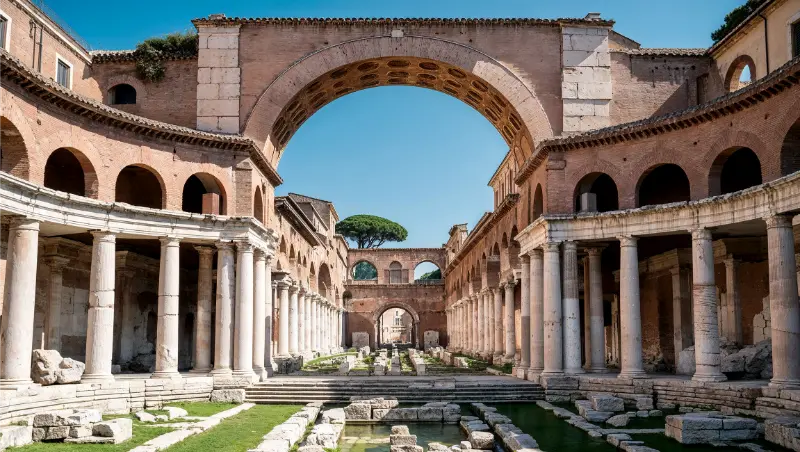
j
o
y
a
r
c
h
a
e
o
l
o
g
y
o
f
t
e
n
f
i
n
d
t
h
e
A
p
p
i
a
n
W
a
y
o
n
e
o
f
t
h
e
m
o
s
t
m
e
m
o
r
a
b
l
e
p
l
a
c
e
s
t
o
a
d
d
a
f
t
e
r
s
e
e
i
n
g
t
h
e
c
e
n
t
r
a
l
m
o
n
u
m
e
n
t
s
.
I
t
a
l
s
o
r
e
w
a
r
d
s
v
i
s
i
t
o
r
s
w
h
o
d
i
s
l
i
k
e
d
e
n
s
e
c
r
o
w
d
s
.
T
h
e
e
x
p
e
r
i
e
n
c
e
i
s
s
p
a
t
i
a
l
a
n
d
a
t
m
o
s
p
h
e
r
i
c
:
l
o
n
g
p
e
r
s
p
e
c
t
i
v
e
s
,
p
i
n
e
t
r
e
e
s
,
s
t
o
n
e
f
r
a
g
m
e
n
t
s
,
w
a
l
l
s
a
n
d
s
t
r
e
t
c
h
e
s
o
f
o
l
d
r
o
a
d
m
a
t
t
e
r
a
s
m
u
c
h
a
s
a
n
y
s
i
n
g
l
e
m
a
s
t
e
r
p
i
e
c
e
.
A
l
l
o
w
t
i
m
e
t
o
l
o
o
k
a
r
o
u
n
d
r
a
t
h
e
r
t
h
a
n
c
o
n
s
t
a
n
t
l
y
c
h
e
c
k
i
n
g
a
m
a
p
.
I
n
h
o
t
w
e
a
t
h
e
r
,
s
t
a
r
t
e
a
r
l
y
b
e
c
a
u
s
e
s
h
a
d
e
i
s
i
n
c
o
n
s
i
s
t
e
n
t
,
a
n
d
i
n
e
v
e
r
y
s
e
a
s
o
n
c
a
r
r
y
w
a
t
e
r
b
e
c
a
u
s
e
s
e
r
v
i
c
e
s
a
r
e
m
o
r
e
s
c
a
t
t
e
r
e
d
t
h
a
n
i
n
t
h
e
h
i
s
t
o
r
i
c
c
e
n
t
e
r
.
Common Appian Way mistakes
- Treating Via Appia Antica as one small attraction with a single entrance.
- Wearing smooth-soled shoes on rough ancient paving.
- Cycling too far without checking the return.
- Assuming catacombs are included in the park ticket.
- Arriving at midday in summer with too little water.
- Using outdated blogs instead of the official 2026 park information.
Frequently asked questions
Is the Appian Way free?
Public sections of the road are free to walk; managed archaeological sites require tickets under their own rules.
How long should I spend?
At least three to four hours for a meaningful first visit; a full day for cycling, catacombs and major sites.
Is walking or biking better?
Walk for detail and a shorter visit; cycle for distance and landscape. Bike choice matters on the ancient stones.
Is it worth it on a first trip?
Yes if you have four or more days and enjoy history. On a very short trip, prioritize the Colosseum, Vatican and historic center.
Final planning advice
The road itself is the attraction. Leave time to stop, look back along the paving and imagine the travelers, soldiers and merchants who used the same route for centuries. For more archaeology, read our Colosseum guide.