Best Piazzas in Rome: 15 Squares That Reveal the City
Rome’s piazzas are not simply empty spaces between buildings. They are stages for fountains, churches, markets, political history, evening life and everyday routines. If you want to understand Rome without spending the entire trip inside attractions, build several days around its squares.
The most famous piazzas can be crowded, but they also become very different early in the morning or late in the evening. Smaller squares nearby often provide the pause that makes a central Rome walk enjoyable instead of exhausting.
1. Piazza Navona
Piazza Navona combines Baroque architecture, Bernini’s Fountain of the Four Rivers and the long outline inherited from the ancient Stadium of Domitian. It is one of the city’s essential public spaces.
Our Piazza Navona guide explains the fountains, church and best times to visit.
2. Piazza di Spagna
Piazza di Spagna is inseparable from the Spanish Steps and the Barcaccia fountain. The area is at its best early, before the shopping streets and sightseeing routes reach full intensity.
Use the steps as a connection toward the Pincian area rather than only a photo stop.
3. Piazza del Popolo
This large ceremonial square works as a gateway between Via del Corso, the Pincian Terrace and northern central Rome. Its obelisk, twin churches and broad geometry create a strong sense of arrival.
Climb toward the Pincio for the view back over the square.
4. Piazza Venezia
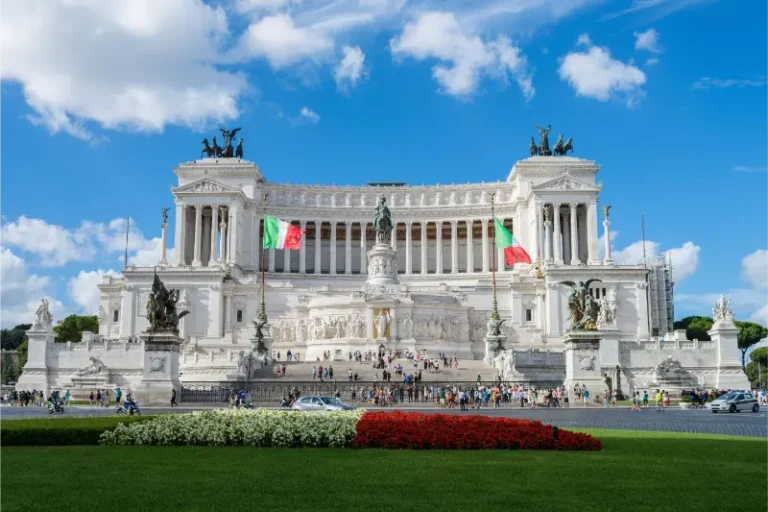
Piazza Venezia is less intimate than Rome’s Baroque squares but crucial for orientation. It sits between the historic center, Capitoline Hill and Imperial Fora route.
Traffic can dominate the experience. Treat it as a crossroads in a larger walk rather than a place for a long café stop.
5. Piazza della Rotonda
The square in front of the Pantheon is one of Rome’s most powerful urban rooms. The fountain and obelisk create a foreground while the Pantheon controls the entire visual experience.
Go early for architecture and later for atmosphere. The contrast is worth seeing.
6. Campo de’ Fiori
Campo de’ Fiori changes character through the day: market activity in the morning, dining and social life later. The statue of Giordano Bruno gives the square a historical gravity that can be easy to miss amid restaurants and stalls.
See our Campo de’ Fiori guide for a deeper visit.
7. Piazza Farnese
Just behind Campo de’ Fiori, Piazza Farnese feels calmer and more formal. Palazzo Farnese dominates the space while the twin fountains create symmetry.

The contrast between the two adjacent squares is one of the best small urban lessons in central Rome.
8. Piazza Mattei
Piazza Mattei is compact, beautiful and centered on the Fountain of the Turtles. It works naturally as part of a Jewish Ghetto walk.
Because the square is small, visit with patience and avoid blocking residents or entrances while taking photographs.
9. Piazza Santa Maria in Trastevere
This piazza is the social heart of Trastevere, anchored by the basilica and central fountain. It can feel local in the morning and intensely social at night.
For families or travelers who prefer a calmer atmosphere, visit before the late-evening nightlife peak.
10. Piazza della Minerva
Behind the Pantheon, Piazza della Minerva offers one of Rome’s most unusual small monuments: Bernini’s elephant supporting an ancient obelisk.
It is a perfect example of why short walks between famous sights matter. Many visitors pass within minutes without noticing it.
11. Piazza Barberini
Piazza Barberini is a busy transport and traffic node, but Bernini’s Triton Fountain gives it major artistic importance.
Combine it with Palazzo Barberini, the Fountain of the Bees and nearby Via Veneto.
12. Piazza di Pietra
The surviving columns of the Temple of Hadrian create one side of this small square, producing a dramatic meeting of ancient fabric and later urban life.
It is particularly effective at night when lighting emphasizes the columns.
13. Piazza Sant’Ignazio
The Rococo-shaped space in front of the Church of Sant’Ignazio is one of the center’s most theatrical small piazzas.
Enter the church as well, especially if you are interested in illusionistic ceiling painting.
14. Piazza di Santa Maria sopra Minerva and nearby lanes

The Pantheon area contains several small spaces where churches, obelisks and narrow streets connect. Treat them as one walking fabric rather than isolated pins.
This is a good place to slow down after the intensity of Trevi or Piazza Navona.
15. Piazza del Campidoglio
Michelangelo’s Capitoline square is one of Rome’s most important designed civic spaces. The approach up the cordonata and the geometry of the piazza create a controlled contrast with the chaotic city below.
Pair it with the Capitoline Museums or the viewpoints toward the Roman Forum.
Practical planning tips
For a strong piazza day, walk rather than commute. Start around Piazza del Popolo, move down toward Piazza di Spagna, continue to Trevi and the Pantheon, then reach Piazza Navona and Piazza Farnese. Split the route over two days if you want to enter churches and museums rather than only pass through the squares.
Rome rewards realistic pacing. Distances that look short on a map can take longer because of cobblestones, traffic lights, security checks, photographs and spontaneous stops. Keep some margin around reservations and do not build the day so tightly that one delayed bus or a longer lunch ruins everything that follows.
Who this guide is best for
Piazza-focused walks suit first-time visitors, architecture lovers, photographers, families and budget travelers because many of the strongest experiences are outdoors and free.
Frequently asked questions
What is the most beautiful piazza in Rome?
Piazza Navona is the classic answer for Baroque drama, but Piazza Farnese, Piazza Mattei and Piazza del Campidoglio offer very different kinds of beauty.
What is the best time to visit Rome’s famous squares?
Early morning is best for space and architecture; evening is best for atmosphere. Midday is often the busiest and hottest.
Can I see the main piazzas in one day?
You can walk through many of them, but a two-day approach is better if you want churches, museums, meals and time to sit.
Final advice
Rome’s piazzas are where the city becomes legible. Instead of treating them as photo stops, notice how each one organizes movement, water, architecture and social life. The contrast between grand spaces and tiny neighborhood squares is part of the experience.

Build the day around one clear priority
Choose one experience that would make the day feel successful even if the schedule changes. Once that priority is protected, the rest of the route can stay flexible. This is especially useful in Rome, where a church may close for a service, a bus may be delayed or a neighborhood may simply deserve more time than expected. The best travel plans are structured enough to prevent wasted time but loose enough to let the city surprise you.
Use neighborhoods, not isolated pins
Whenever possible, group stops by area. Crossing Rome repeatedly is one of the easiest ways to lose energy. A morning in the historic center, an afternoon around Villa Borghese or a focused walk through Trastevere usually works better than chasing individually famous places scattered across the city. This also creates more natural opportunities for coffee, lunch and small discoveries between the main sights.
Check only the details that can actually change
Before leaving, verify the few operational details that matter for that specific day: opening hours, timed-entry rules, transport disruptions and temporary closures. Keep the broader advice stable. This approach prevents overplanning and also protects you from relying on an old screenshot or a timetable that has changed since you first organized the trip.
Plan for comfort as well as sightseeing
A refillable water bottle, supportive shoes and a short seated break can improve a Rome day more than adding one extra attraction. In warm weather, move exposed walks toward early morning and evening. In cooler months, use the strongest daylight for parks and viewpoints. Families, older travelers and anyone with mobility concerns should judge routes by surfaces and elevation, not just distance.
Protect your best hours
The first hours of the morning and the period around sunset are unusually valuable in Rome. Early starts reduce crowd pressure at outdoor landmarks, while late afternoon gives better light and a more relaxed atmosphere for piazzas, bridges and viewpoints. Use the middle of the day for lunch, churches, museums or transport when weather and crowds make long outdoor walks less pleasant. This simple rhythm often improves both photographs and energy.
Make reservations serve the itinerary
Timed tickets should anchor the day, not dominate it. Book only the attractions that genuinely benefit from advance reservations, then place flexible sights nearby. If a reservation requires crossing the city at the wrong moment, reconsider the slot rather than forcing the entire day around it. Keep confirmation emails available offline and verify the official entry point, because large attractions can have multiple gates and security lines.
Leave space for Rome itself
Some of the most memorable moments in Rome happen between planned stops: a church with an open door, a market stall, a quiet courtyard, a neighborhood bakery or a sudden view of a dome at the end of a street. A schedule with no breathing room removes the possibility of those discoveries. Protect the essential sights, but leave enough unscheduled time to stop when something genuinely catches your attention.
A simple way to keep the trip flexible
At the beginning of each day, separate the plan into three levels: one essential priority, two or three desirable stops and everything else as optional. This prevents a delay from turning into frustration. If the essential attraction takes longer than expected, drop an optional stop and stay in the same neighborhood. If the day moves faster, add a nearby church, piazza, market or viewpoint rather than crossing Rome for a minor item. Keep transport time, meals and rest inside the schedule instead of pretending they do not exist. Travelers often enjoy Rome more when they finish a day with energy left for an evening walk than when they reach dinner having completed every pin on a map. The city is dense enough that a flexible plan still produces a full day, and the spaces between famous monuments are often where its character becomes most visible. This approach is also useful when weather, religious services, restoration work or public events change access unexpectedly: the day bends without collapsing.