Villa Paganini Rome: Garden, Lake and Quiet Nomentano Park
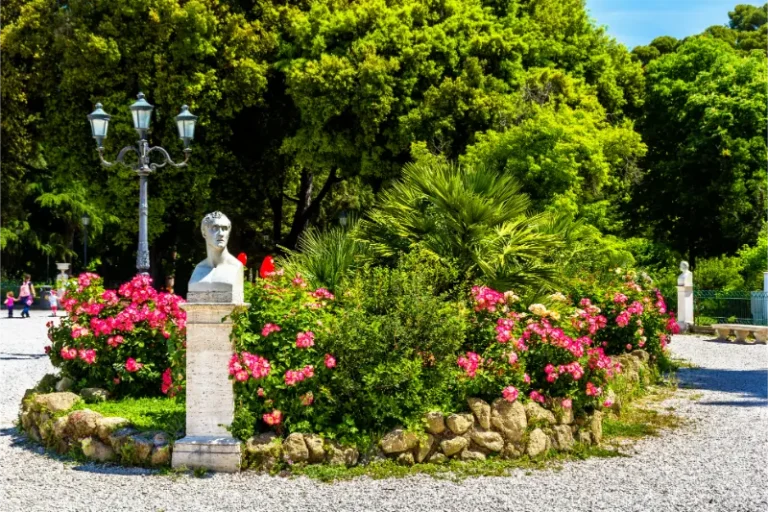
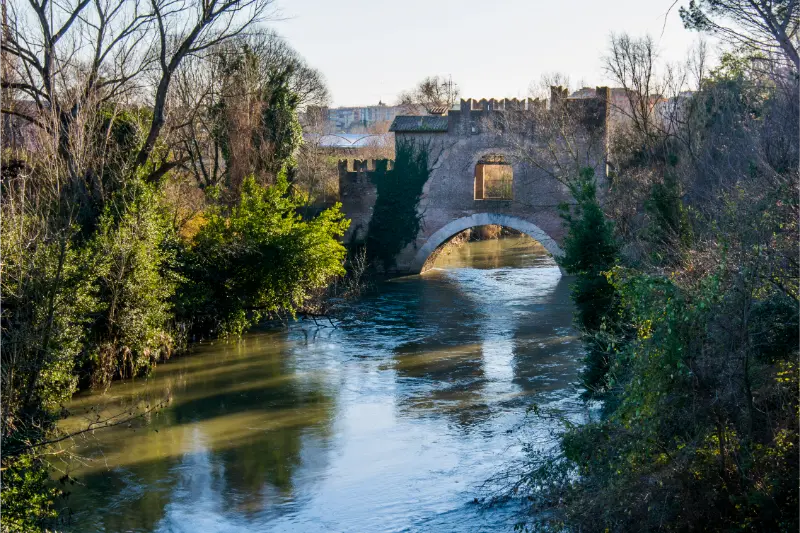
Villa Paganini is a small historic park on Via Nomentana, directly opposite the much larger Villa Torlonia. It is easy to overlook, which is part of its charm. The garden offers winding paths, mature trees, a small rustic lake, fountains and traces of the romantic landscape style that shaped the property in the 19th century. For travelers exploring Nomentano, it is a pleasant local pause rather than a destination that requires half a day.
This is best approached as a flexible outdoor visit rather than a timed attraction. Weather, daylight and the condition of paths matter more than a rigid schedule, and the experience improves when you leave room to sit, walk and observe the surrounding neighborhood.
Villa Paganini Rome at a glance
| Area | Rome |
| Best for | walks, local atmosphere, green space and a slower pace |
| Suggested time | 1–2 hours, longer if combined with nearby sights |
| Site category | Things to Do |
| Planning note | Check current official access or transport information shortly before visiting |
Why this place deserves a separate visit
The property’s history reaches back to the late 16th century, when Cardinal Mariano Pierbenedetti acquired a vineyard here. Later owners, including Cardinal Giulio Alberoni, altered the estate and its garden. By the 19th century, the grounds had acquired picturesque features associated with the English landscape style. The municipality bought the surviving core in 1934 and Raffaele De Vico, one of the most important designers of Rome’s modern public green spaces, reorganized the park.
If you are building a broader Rome itinerary, compare this stop with our villa torlonia rome guide. The goal is not to add one more pin to a map, but to decide whether this part of the city matches your interests and the pace of your trip.
What to see and notice
The rustic lake
The small lake is the visual heart of the garden and gives Villa Paganini a scale very different from Rome’s grand parks. It is best appreciated as part of a slow circuit rather than a single photo stop.
Historic fountains and grotto-like details
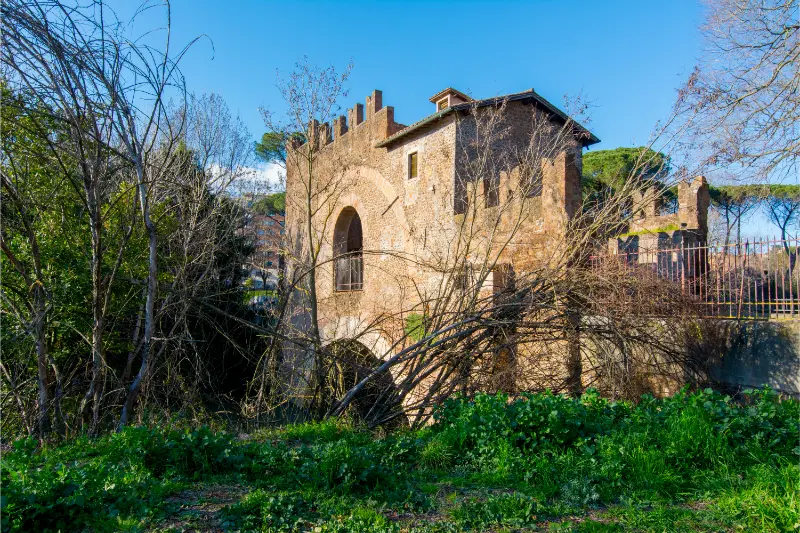
Fragments of earlier decorative schemes survive around the park, including a wall fountain and rockwork. These details reveal the layers of ownership and changing garden taste.
A neighborhood park with history
Locals use the space as an everyday garden, which makes it a good place to observe ordinary Roman life away from the historic center.
The contrast with Villa Torlonia
Crossing Via Nomentana lets you compare two very different historic green spaces. Villa Torlonia offers museums and major architecture; Villa Paganini is smaller, quieter and more intimate.
How to get there
The park is on Via Nomentana near the Nomentano/Trieste area and is served by multiple bus routes. Turismo Roma lists it as open from dawn to dusk. Because Villa Paganini is small, do not cross the city solely for it unless you particularly enjoy historic gardens; include it in a neighborhood itinerary.
For the wider transport system, our getting around Rome guide explains metro, buses, trams and ticket basics. Always use live information on the day because works, diversions and strikes can alter the most convenient route.
How to plan the visit
The obvious pairing is Villa Torlonia, whose museums can occupy several hours. You can also walk through nearby Nomentano streets or continue toward the Coppedè district. This combination is ideal for travelers who enjoy architecture and parks but want a calmer day than the central monument circuit.
A simple 90-minute plan
Begin with one full loop or main path so you understand the scale of the site. Spend the middle of the visit on the strongest historical or panoramic feature, then use the final part for a slower walk, photographs or a bench break. If the park is paired with a museum or neighborhood, avoid using all your energy in the first hour.
When to go
Morning is best for quieter paths and cooler temperatures, while late afternoon gives softer light and a more social local atmosphere. In summer, avoid the hottest middle of the day unless the route is heavily shaded. After rain, expect mud or slippery surfaces on unpaved sections.
Practical tips
- Bring water. Public fountains may not be exactly where you need them, especially on a longer walk.
- Wear shoes with grip. Dirt, roots, slopes and wet leaves can make park paths less predictable than central pavements.
- Use daylight. These green spaces are most enjoyable when you can see entrances, paths and surrounding streets clearly.
- Check temporary closures. Maintenance, weather or events can affect gates and individual sections.
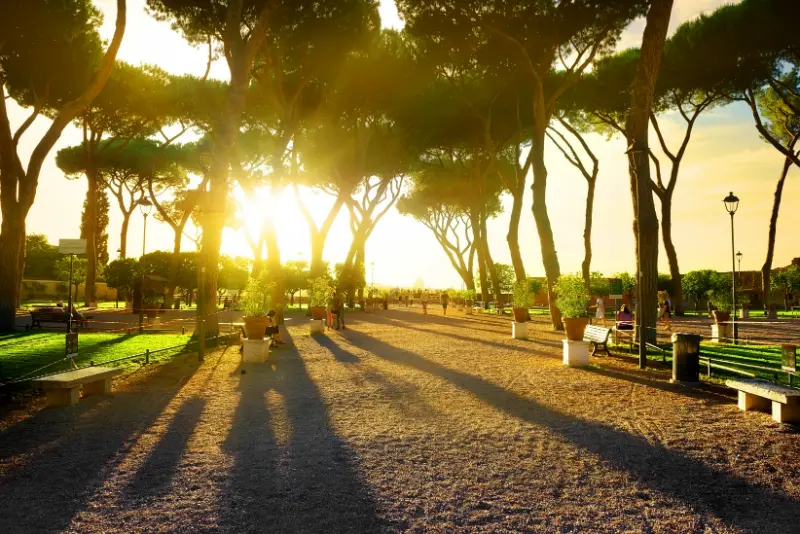
The best way to appreciate a Roman park is to notice the transitions. At the entrance you are still in the traffic and geometry of the modern city; a few minutes later sound softens, paths bend and the skyline opens. Do not judge the place only by the number of formal attractions. These parks are part of Rome’s urban history precisely because they have been reused, redesigned and absorbed into modern neighborhoods.
Photography is easiest in the first and last part of the day, when low light creates depth in trees and brickwork. Midday can still be pleasant under shade, but archaeological masonry often looks flatter. If your visit is primarily photographic, walk the route once without stopping constantly, then return to the strongest viewpoints after you understand the orientation of the light.
Families should think in terms of comfort rather than a checklist. A park becomes much more useful when it provides a place for children to move freely between museums or churches. Bring a small snack, keep expectations flexible and choose one nearby attraction rather than turning the outing into another tightly scheduled sightseeing block.
What to combine with it
A useful next step is our nomentano rome guide. You can also use coppede rome and parks gardens rome to build a route that stays geographically coherent instead of crossing Rome repeatedly.
Current information and official source
Opening arrangements, maintenance, public-transport service and special events can change. Before visiting, check the official information for Villa Paganini Rome. This is especially important if the site is the main reason you are crossing the city or if you are visiting close to opening or closing time.
Is it worth visiting?
Yes, if the subject fits your interests. Villa Paganini Rome is not a substitute for Rome’s essential first-time sights, but it adds depth to a longer stay because it reveals a part of the city that most short itineraries ignore. Travelers with four or more days, repeat visitors and anyone staying nearby will get the most value from it.
The most satisfying Rome trips mix famous monuments with one or two places that feel more personal. If this guide sounds like the kind of experience you enjoy, give it enough time to work on its own terms rather than squeezing it between two major attractions.
Frequently asked questions
How long should I allow?
Allow around 60–120 minutes for the park itself, then add time if you combine it with a nearby district or museum.
Is it suitable for a first trip to Rome?
It can be, but only after you protect time for the city’s essential sights. This is a stronger choice for a longer first visit or a return trip, when you can explore beyond the Colosseum–Vatican–Trevi Fountain circuit.
Do I need to book?
Normally the public park itself does not require a booking, but individual monuments, events or guided activities can have separate rules.
Can I combine it with central Rome on the same day?
Yes. Keep the combination geographically sensible and avoid crossing the city multiple times. One central attraction plus this area is usually more enjoyable than three distant stops connected by long bus journeys.
A slower way to experience this part of Rome
Do not measure the success of this visit by the number of named attractions you can collect. Rome is unusually rewarding when you allow time for transitions: the walk from a transit stop, the change in building styles, a neighborhood bar at mid-morning, the view back toward the center and the small details that disappear when every minute is scheduled. Build a margin of at least thirty minutes into the plan. That buffer lets you respond to a temporary closure, a slower meal, better light for photographs or simply the desire to sit somewhere pleasant. It also makes the return to the historic center less stressful. If you discover that the area is not holding your interest, the same flexibility lets you leave earlier without feeling that the day has failed.
For travelers writing their own itinerary, this is also a useful place to think in geographic clusters. Rome looks compact on a tourist map, but crossing it repeatedly consumes energy. Choose nearby sights that share the same metro line, tram corridor or neighborhood. Eat where you already are instead of returning to a famous restaurant across town, and keep the most time-sensitive reservation as the only fixed appointment in that half of the day. This approach usually produces a better trip than trying to maximize the number of attractions.