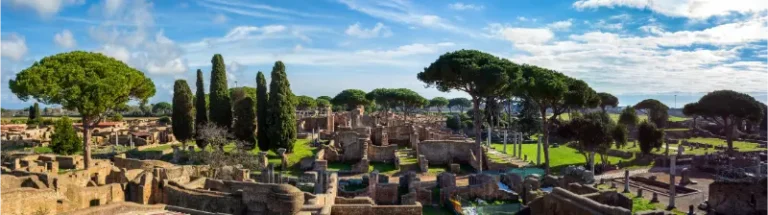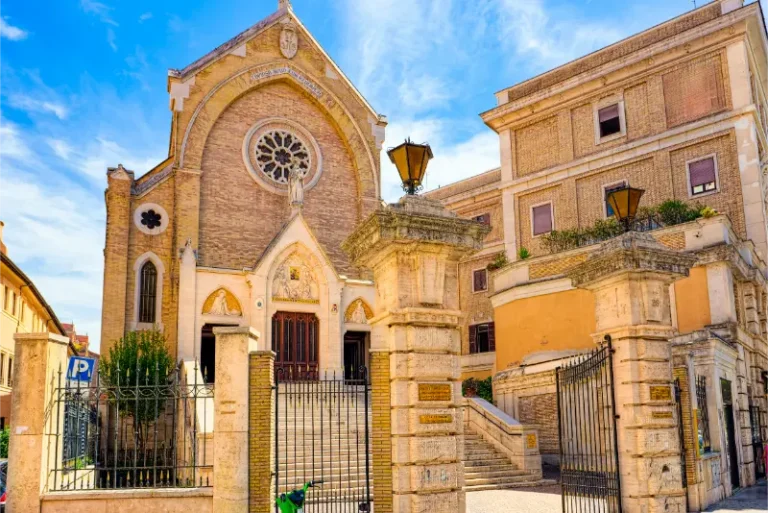
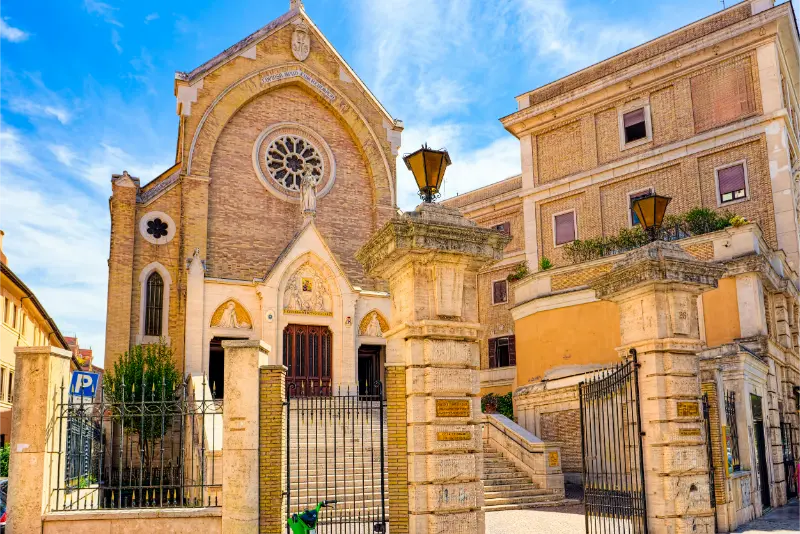
Basilica di San Clemente Rome: Underground Excavations and Visiting Guide
Basilica di San Clemente is one of the clearest places in Rome to understand how the city was built in layers. At street level you enter a functioning medieval basilica; below it are earlier Christian spaces; deeper still are Roman structures that reveal a very different urban world. The descent compresses centuries of change into one visit.
As of 2026, the basilica’s official visitor information states that online booking is required for the archaeological excavations. The current full-price excavation ticket is €10. Opening hours are split on Monday–Saturday and begin later on Sundays and holidays; always recheck the official Basilica di San Clemente visitor page because religious services can affect access.
Why San Clemente is special
Rome often asks visitors to imagine earlier cities beneath the modern one. San Clemente lets you physically descend through them. The experience is not simply “an underground church”: it is a sequence of architectural and religious transformations that makes the concept of archaeological stratification easy to understand.
The present basilica
The upper church dates largely from the Middle Ages and is known for its rich apse mosaic, Cosmatesque pavement and layered decoration. Do not hurry downstairs immediately. Spending time in the present basilica gives you the visual reference you need before entering the earlier structures below.
Because the church remains active, behave as you would in any place of worship. Services, prayer and liturgical preparations take priority over tourism.
The earlier Christian basilica
Below the current church lies an earlier basilica associated with late antiquity and the early medieval period. Frescoes and architectural remains help show how the site functioned before the present building was constructed above it.
The exact interpretation is easier with the brochure or a reputable guide because walls from different phases can visually overlap. Read the site information rather than moving quickly through the rooms simply because they are underground.
Roman structures and the Mithraeum
At the lower level, visitors encounter Roman-period structures and a Mithraic sanctuary, or Mithraeum, associated with the mystery cult of Mithras. This is one of the most memorable transitions in the visit: from a Christian basilica into spaces connected with pre-Christian Roman religious and domestic or commercial life.
The Mithraeum should be understood in context. Mithraism was a mystery cult with ritual practices and communities that differed from public state religion. The surviving sanctuary is valuable evidence, but many details of the cult remain debated, so be cautious with dramatic claims from popular videos.
The sound of underground water
One of the sensory details many visitors notice is the presence or sound of water in the lower levels. It reinforces the feeling that you are below the modern city, but the experience is not a cave adventure. The route is archaeological and controlled, with narrow passages and stairs.
2026 opening hours
The official site currently lists Monday–Saturday opening from 9:00 to 12:30, with last admission at 12:00, and from 14:00 to 18:00, with last admission at 17:30. On Sundays and holidays it lists 12:00 to 18:00, with last admission at 17:30. These times can change for the liturgical calendar, so verify your exact date before departure.
Tickets and online booking
The archaeological excavations require a ticket even though entering a church is a different type of visit. The official 2026 information lists €10 for a full adult excavation ticket and €5 reductions for eligible students and school groups, with defined free-entry categories. Use the official booking system, especially in high season.

How long to allow
Allow around 60–90 minutes for a thoughtful visit, more if you read interpretation carefully or spend time in the upper basilica. Do not book the Colosseum or another timed attraction immediately afterward. The descent, narrow spaces and check-in process make rushing unpleasant.
How to get there
The visitor entrance is on Piazza di San Clemente, a short walk east of the Colosseum. From Metro Line B at Colosseo, the route is manageable on foot, but surfaces and traffic crossings take longer than a map may suggest. The basilica is also accessible from the Celio area and Via Labicana.
Combine San Clemente with the Colosseum
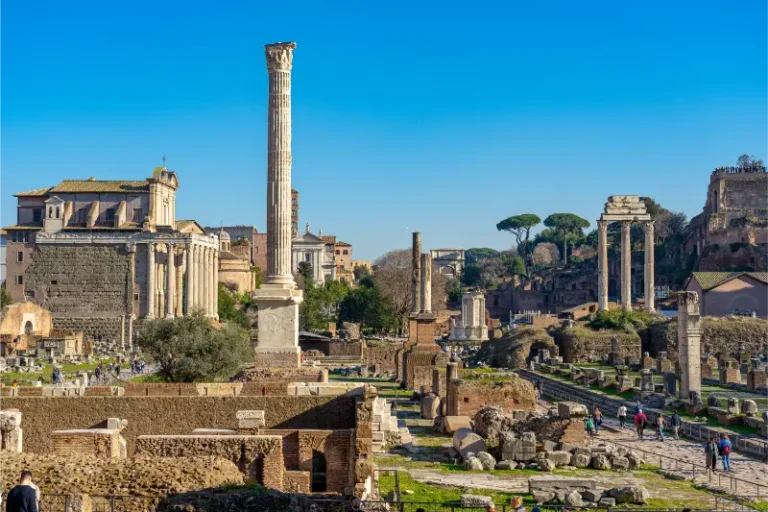
San Clemente is one of the best additions to a Colosseum day because it deepens the history without requiring transport. Visit the Colosseum and Roman Forum in one part of the day, then San Clemente after a proper break. Avoid stacking both if you are already exhausted by a long Forum walk.
Combine San Clemente with the Domus Aurea
For travelers fascinated by underground archaeology, the Domus Aurea makes a strong thematic pairing. The sites are different: San Clemente shows layered urban and religious history, while the Domus Aurea focuses on an imperial palace and its later burial.
Dress and comfort
Wear shoes that handle stairs securely. The underground levels can feel cooler and more humid than the street, so a light layer is useful outside summer’s hottest days as well. Church-appropriate clothing is also advisable for the upper basilica.

Photography and behavior
Follow the current photography rules displayed on site. Restrictions can exist for conservation, copyright or worship. Never use flash where prohibited, block narrow passages or speak loudly in the basilica. The site is small enough that one inconsiderate group can affect everyone’s experience.
Accessibility
The archaeological route involves underground levels and stairs, so travelers with limited mobility should consult the official site before purchasing. Do not assume that accessibility to the upper basilica means the excavations have the same level of access.
A practical two-hour plan
| Stage | Plan |
|---|---|
| Arrival | Check in early and spend a few minutes in Piazza di San Clemente |
| Upper church | See the apse mosaic, pavement and main architectural features |
| Excavations | Descend slowly through the earlier basilica and Roman levels |
| Afterward | Walk toward Celio, Colle Oppio or Monti for a break |
Who will enjoy San Clemente most
The site is excellent for history lovers, archaeology enthusiasts, older children who enjoy underground spaces and travelers who already know the main monuments. It is also useful for first-time visitors because it explains Rome’s layers more vividly than many textbook descriptions.
Common mistakes
- Arriving without an excavation reservation
- Skipping the upper basilica to rush underground
- Treating the Mithraeum as a sensational mystery rather than an archaeological site
- Scheduling too little time between San Clemente and a Colosseum reservation
- Assuming all levels are fully accessible
- Using outdated opening hours that ignore Sunday or liturgical differences
Frequently asked questions
Is the Basilica di San Clemente free?
The church and the archaeological excavations are not the same visitor product. The underground archaeological area requires a paid ticket; check current arrangements for basilica access on the official site.
Do I need to book in advance?
Yes for the archaeological excavations: the official visitor information states that online booking is required and daily access is limited.
How far is San Clemente from the Colosseum?
It is within easy walking distance, making the two sites natural partners on the same day if you leave enough time between reservations.
Final advice
San Clemente is one of Rome’s best small-scale archaeological visits because the story is vertical. Start with the living basilica, descend slowly through the earlier Christian spaces, then reach the Roman level with enough time to understand what you are seeing. Book online, respect worship and do not turn a layered historical experience into a rushed stop between larger monuments.
How to understand the layers without a private guide
Read the official brochure from top to bottom as you descend, and pause at each major chronological transition. Mentally label the levels “present basilica,” “earlier Christian basilica” and “Roman structures.” That simple framework prevents the visit from becoming a sequence of dark rooms and makes the later reconstruction of the site much easier.
Why San Clemente works well on a second Rome trip
Repeat visitors often want places that deepen familiar stories rather than add another famous façade. San Clemente does exactly that: it connects Roman religion, early Christianity, medieval art and the physical rise of street level over centuries. It also takes less time than a major museum, leaving room for Celio, Monti or the Domus Aurea.
What makes the visit memorable after you return to street level
When you come back outside, take a moment to notice the modern street elevation around the basilica. The visit is powerful because you have just moved vertically through earlier cities that now sit below that level. Think back to the changes in architecture, decoration and religious use rather than remembering only the deepest chamber. This mental reconstruction helps you recognize the same pattern elsewhere in Rome, where ancient streets, houses and temples often survive beneath later churches and palaces. San Clemente can therefore improve how you understand many other archaeological sites during the rest of the trip.
One final planning principle
For Basilica di San Clemente Rome, keep the route realistic: protect the experience that matters most, group nearby stops, check only operational details that can change, and leave enough time for transport, security and an unplanned break. Rome is more enjoyable when a day has one clear focus instead of a long list of unrelated pins.