Montesacro Rome Guide: Aniene River, Garden City and Local Life
Montesacro is a residential district north-east of central Rome where early-20th-century urban planning, the Aniene River and everyday neighborhood life come together. It is not a must-see area for a first two-day trip, but for repeat visitors or travelers staying nearby it offers a more local rhythm, attractive streets around the historic Città Giardino core and green access along the river valley.
A neighborhood guide works differently from a monument guide: there is no single entrance, correct route or closing time. The aim is to choose a few anchors, walk between them and pay attention to ordinary streets, shops and public spaces as much as to named sights.
Montesacro Rome at a glance
| Area | Rome |
| Best for | local life, architecture, food and exploring beyond the historic center |
| Suggested time | 2–4 hours depending on food and walking stops |
| Site category | Neighborhoods |
| Planning note | Check current official access or transport information shortly before visiting |
Why this place deserves a separate visit
The area developed significantly in the early 20th century with the Città Giardino concept, inspired by garden-city planning ideas that attempted to combine lower-density housing, greenery and community services. The older Via Nomentana and the Aniene landscape give the district much deeper geographical roots, while postwar expansion created the broader urban fabric seen today.
If you are building a broader Rome itinerary, compare this stop with our nomentano rome guide. The goal is not to add one more pin to a map, but to decide whether this part of the city matches your interests and the pace of your trip.
What to see and notice
Città Giardino streets
Walk the older residential core slowly. The architecture is not monumental, but the mix of villas, apartment buildings, trees and curved streets explains the original planning concept better than any single landmark.
Piazza Sempione
This is one of the district’s main reference points and a useful place to orient yourself before exploring side streets.
Parco Nomentano and the Aniene
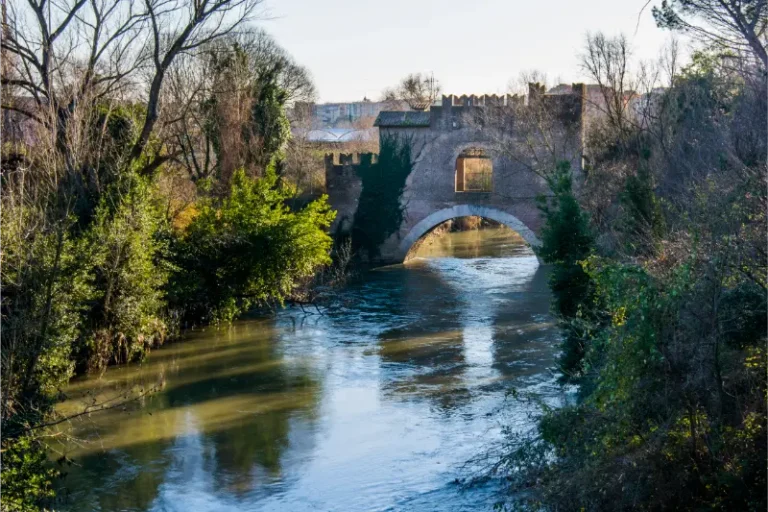
The riverside green area belongs to the wider Aniene nature reserve and offers walking, cycling and a real sense of landscape inside the city. Turismo Roma lists nature trails, cycle infrastructure and family facilities.
Ponte Nomentano
The historic bridge and surrounding river landscape provide a tangible connection with the ancient and medieval routes that preceded the modern neighborhood.
Local restaurants and cafés
Montesacro works best when you allow time for a meal or aperitivo rather than treating it as a monument hunt. The social life of the district is part of the visit.
How to get there
Buses from central Rome and Metro B1 stations can be useful depending on the exact part of Montesacro you want to explore. Because the district covers a broad area, decide whether your focus is Città Giardino/Piazza Sempione or a park-and-river walk. Combining both is possible but requires more walking than a map may suggest.
For the wider transport system, our getting around Rome guide explains metro, buses, trams and ticket basics. Always use live information on the day because works, diversions and strikes can alter the most convenient route.
How to plan the visit
A good half-day can connect Montesacro with Nomentano or Villa Ada, but do not underestimate travel time between green spaces. If you are staying in this part of Rome, the district is also a useful base for seeing everyday life while using Metro B1 to reach the center.
A good walking strategy
Start at a transport node, walk toward the main historical or civic anchor, then deliberately leave the main road for quieter residential streets. Stop for coffee or lunch before continuing to the green space or second landmark. This creates a natural rhythm and prevents the neighborhood from becoming a sequence of disconnected addresses.
When to go
Late morning through early evening works best because shops, cafés and public spaces are active. Sunday can be quieter for ordinary commerce, while weekday rush hours make transport and major roads busier. If nightlife is part of your interest, first learn the district in daylight and then decide where you want to stay after dark.
Practical tips
- Explore in daylight first. It is easier to understand street layout and architecture before deciding where to stay for dinner or nightlife.
- Respect residential life. Avoid photographing people closely or treating courtyards and apartment buildings as attractions.
- Use live transit information. Peripheral bus, tram and metro connections can be affected by works or strikes.
- Keep valuables secure. Apply the same normal big-city precautions you would use on public transport anywhere in Rome.
The strongest neighborhood visits are built around observation rather than consumption. Notice the age of apartment blocks, the width of streets, the role of markets and schools, the languages on shop signs and the relationship between public transport and commercial life. These details explain why one part of Rome feels different from another far better than a list of Instagram stops.
Food is part of the geography. Rather than arriving with a single famous restaurant in mind, look at what the area actually supports: bakeries serving commuters, produce shops, inexpensive lunch counters, international groceries, pizzerias and bars where residents stop for coffee. You do not need to turn every meal into research; simply choosing a place used by locals can make the visit feel more connected to the district.
Neighborhood boundaries in Rome are not always obvious on the ground. Administrative names, historic names and everyday usage can overlap. Do not worry about crossing an invisible line into the next district. Use the guide as a framework, then let streets and transit routes shape the walk naturally.
What to combine with it
A useful next step is our villa ada rome guide. You can also use parks gardens rome and getting around rome to build a route that stays geographically coherent instead of crossing Rome repeatedly.
Current information and official source
Opening arrangements, maintenance, public-transport service and special events can change. Before visiting, check the official information for Montesacro Rome. This is especially important if the site is the main reason you are crossing the city or if you are visiting close to opening or closing time.
Is it worth visiting?
Yes, if the subject fits your interests. Montesacro Rome is not a substitute for Rome’s essential first-time sights, but it adds depth to a longer stay because it reveals a part of the city that most short itineraries ignore. Travelers with four or more days, repeat visitors and anyone staying nearby will get the most value from it.
The most satisfying Rome trips mix famous monuments with one or two places that feel more personal. If this guide sounds like the kind of experience you enjoy, give it enough time to work on its own terms rather than squeezing it between two major attractions.
Frequently asked questions
How long should I allow?
Two to four hours is enough for a focused walk, a meal and the main local sights.
Is it suitable for a first trip to Rome?
It can be, but only after you protect time for the city’s essential sights. This is a stronger choice for a longer first visit or a return trip, when you can explore beyond the Colosseum–Vatican–Trevi Fountain circuit.
Do I need to book?
No booking is needed to explore the neighborhood, but individual museums, archaeological sites or restaurants may require reservations.
Can I combine it with central Rome on the same day?
Yes. Keep the combination geographically sensible and avoid crossing the city multiple times. One central attraction plus this area is usually more enjoyable than three distant stops connected by long bus journeys.
A slower way to experience this part of Rome
Do not measure the success of this visit by the number of named attractions you can collect. Rome is unusually rewarding when you allow time for transitions: the walk from a transit stop, the change in building styles, a neighborhood bar at mid-morning, the view back toward the center and the small details that disappear when every minute is scheduled. Build a margin of at least thirty minutes into the plan. That buffer lets you respond to a temporary closure, a slower meal, better light for photographs or simply the desire to sit somewhere pleasant. It also makes the return to the historic center less stressful. If you discover that the area is not holding your interest, the same flexibility lets you leave earlier without feeling that the day has failed.
For travelers writing their own itinerary, this is also a useful place to think in geographic clusters. Rome looks compact on a tourist map, but crossing it repeatedly consumes energy. Choose nearby sights that share the same metro line, tram corridor or neighborhood. Eat where you already are instead of returning to a famous restaurant across town, and keep the most time-sensitive reservation as the only fixed appointment in that half of the day. This approach usually produces a better trip than trying to maximize the number of attractions.