
Rome in Spring: Weather, Crowds, What to Pack and the Best Things to Do
Spring is one of the most rewarding times to visit Rome. The city becomes greener, daylight expands, outdoor tables return to the streets and long walks feel easier than they do in midsummer. At the same time, spring is not automatically quiet: Easter, school holidays and long weekends can produce some of the year’s busiest days around the Vatican and major monuments.
The key is to plan for variation. March can still feel cool and unsettled, April can swing between warm sun and sudden rain, and May often begins to resemble early summer. This guide explains how to use the season well rather than relying on the vague promise of “perfect spring weather.”
What Rome feels like in March
March is a transition month. Sunny afternoons can be beautiful for the Roman Forum, Appian Way and long neighborhood walks, but mornings and evenings may still feel chilly. Rain is possible, and a lightweight waterproof layer is more useful than a heavy winter coat for most travelers.
Crowds generally build as the month progresses. If you want a flexible visit, combine major reservations with outdoor alternatives such as the Aventine, Villa Borghese and the historic center. Our Aventine Hill guide works particularly well in mild weather.
April: beautiful, busy and shaped by Easter
April is often the month travelers imagine when they picture spring in Rome: flowering parks, comfortable daytime temperatures and lively piazzas. It can also be one of the busiest periods, especially when Easter falls in April or around major European school breaks.
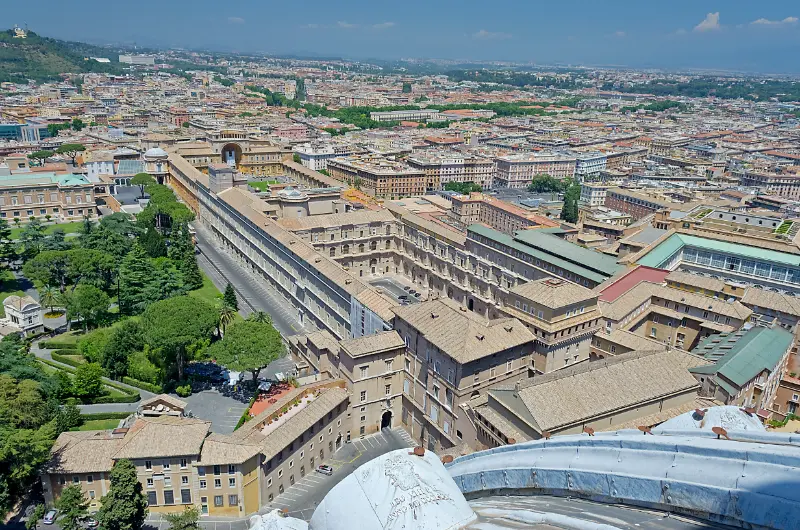
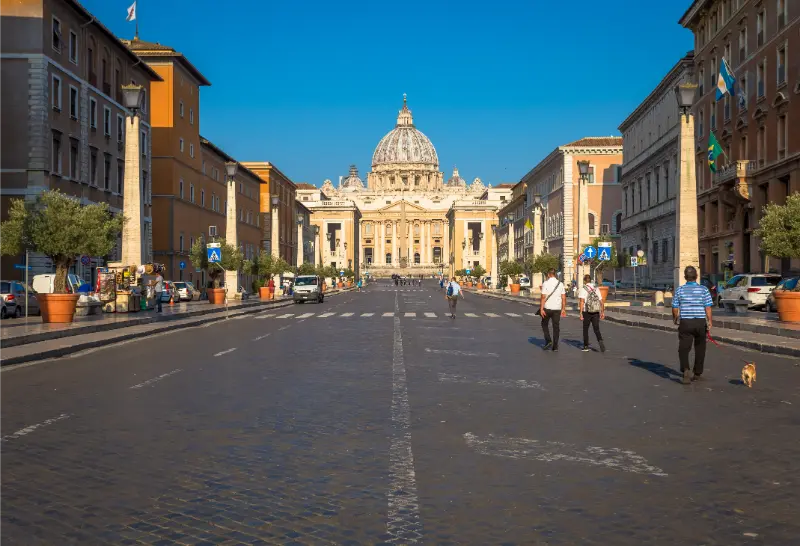
If your trip overlaps Easter week, book the Colosseum, Vatican Museums and Galleria Borghese as early as the official systems allow. Religious services can also affect access to churches and St. Peter’s Basilica, so treat the Vatican calendar as part of the itinerary rather than an afterthought.
May: long days and early-summer energy
May usually gives travelers more daylight and increasingly warm afternoons. It is excellent for evening walks, viewpoints and dinners outdoors, but midday sun can already be tiring during exposed archaeological visits.
Move the Roman Forum, Palatine Hill and Appian Way toward the morning, then use the middle of the day for lunch, churches or museums. This simple shift protects energy without sacrificing sightseeing.
What to pack for Rome in spring
- Comfortable walking shoes with grip for uneven stone
- Light layers that can be added or removed during the day
- A compact rain jacket or small umbrella
- Sunglasses and sunscreen, especially in May
- A scarf or light layer for cooler evenings and church visits
- A reusable water bottle
Do not pack only for the warmest forecast. Rome days often involve leaving the hotel early and returning after dinner, so the temperature difference between morning, afternoon and evening matters more than a single daily maximum.
Best spring experiences
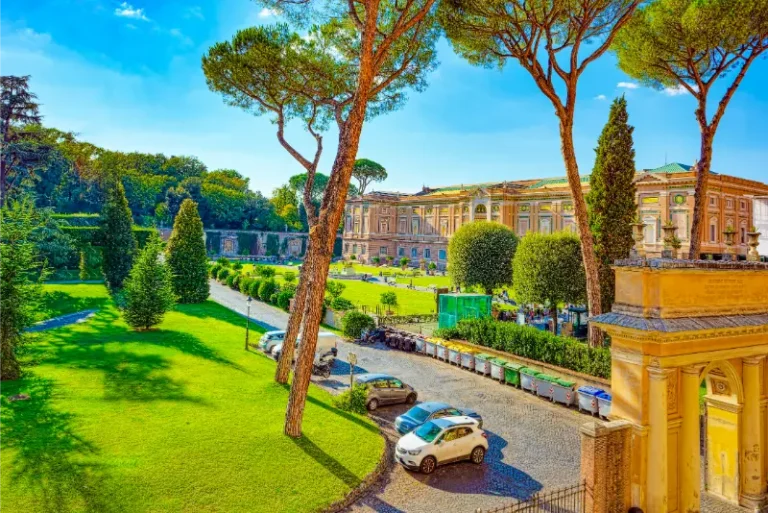
Spring is ideal for Villa Borghese, the Orange Garden, Janiculum Hill and the Appian Way. It is also a strong season for simply walking between piazzas instead of relying on transport.
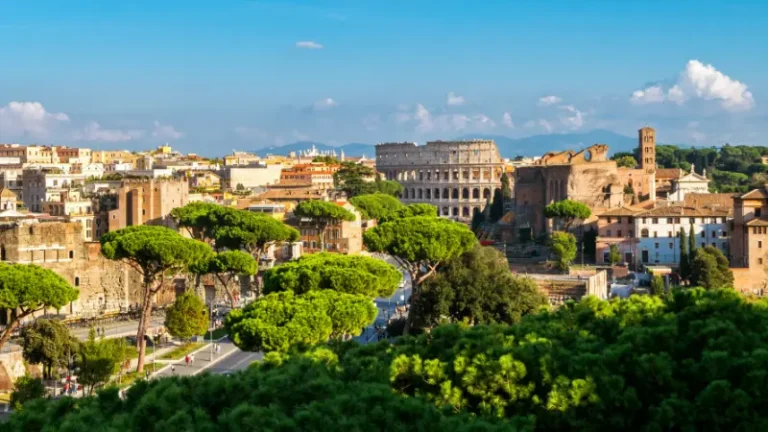
On a clear evening, build a route from Piazza del Popolo through the Pincian Terrace and toward the Spanish Steps, or walk from the Aventine toward the Circus Maximus as the light softens. These are low-cost experiences that feel much better when the temperature is comfortable.
Spring food and daily rhythm
Seasonal menus begin to feature vegetables associated with Roman spring, while artichokes remain an important part of the city’s food identity. Rather than chasing one famous restaurant, look for a good neighborhood trattoria and allow enough time for lunch.
Spring also encourages a later evening rhythm. A pre-dinner walk and aperitivo can fit naturally after a museum-heavy afternoon. See our Rome aperitivo guide for the basics.
How to handle rain
Rain does not need to destroy a Rome day. Keep a short list of indoor alternatives near each area: churches in the historic center, the Capitoline Museums near Piazza Venezia, museums around Villa Borghese and food-focused stops in Testaccio.
Avoid saving every outdoor activity for one “perfect” day. Spring forecasts can change, and a light shower is often manageable if you have proper shoes and a compact waterproof layer.
Crowd strategy for spring
Reserve the attractions that genuinely require a slot, then keep neighborhoods and viewpoints flexible. Early mornings remain valuable at the Trevi Fountain, Spanish Steps and Pantheon area, while late afternoons can be more pleasant in parks and residential districts.
If your dates are fixed around Easter, accept that some crowding is unavoidable. The goal is not to find an empty Rome but to avoid wasting the busiest hours in the most compressed spaces.
Practical planning tips
Build your spring itinerary with one indoor and one outdoor option for each half-day. That way a change in weather does not force a complete redesign. Check religious calendars if the Vatican and major basilicas are priorities, and reserve timed attractions before filling the rest of the schedule.
Rome rewards realistic pacing. Distances that look short on a map can take longer because of cobblestones, traffic lights, security checks, photographs and spontaneous stops. Keep some margin around reservations and do not build the day so tightly that one delayed bus or a longer lunch ruins everything that follows.

Who this guide is best for
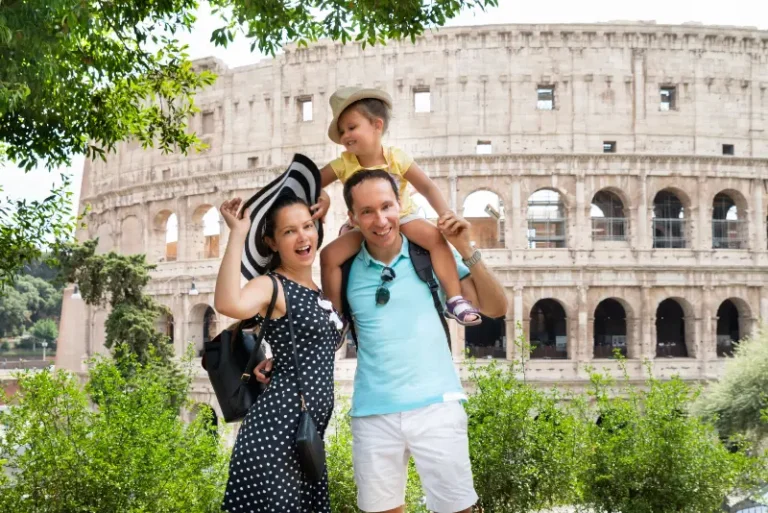
Spring is excellent for first-time visitors, couples, families and travelers who expect to walk extensively. It is especially attractive for people who dislike midsummer heat but still want long days and active evenings.
Frequently asked questions
Is March a good time to visit Rome?
Yes. March can be cooler and less predictable than April or May, but it often offers comfortable walking weather and can be easier than peak spring weeks.
Is Rome crowded at Easter?
Yes. Easter can significantly increase demand around the Vatican, major basilicas and central attractions. Book key entries early and expect security queues.
Do I need a coat in Rome in spring?
A heavy coat is often unnecessary later in spring, but layers and a light jacket are useful, especially in March and for evenings.
Final advice
Spring works best when you plan for both beauty and unpredictability. Reserve the major sights, carry light layers, use parks and evening walks generously, and treat Easter as a special high-demand period rather than assuming the whole season is quiet.
Build the day around one clear priority
Choose one experience that would make the day feel successful even if the schedule changes. Once that priority is protected, the rest of the route can stay flexible. This is especially useful in Rome, where a church may close for a service, a bus may be delayed or a neighborhood may simply deserve more time than expected. The best travel plans are structured enough to prevent wasted time but loose enough to let the city surprise you.
Use neighborhoods, not isolated pins
Whenever possible, group stops by area. Crossing Rome repeatedly is one of the easiest ways to lose energy. A morning in the historic center, an afternoon around Villa Borghese or a focused walk through Trastevere usually works better than chasing individually famous places scattered across the city. This also creates more natural opportunities for coffee, lunch and small discoveries between the main sights.
Check only the details that can actually change
Before leaving, verify the few operational details that matter for that specific day: opening hours, timed-entry rules, transport disruptions and temporary closures. Keep the broader advice stable. This approach prevents overplanning and also protects you from relying on an old screenshot or a timetable that has changed since you first organized the trip.
Plan for comfort as well as sightseeing
A refillable water bottle, supportive shoes and a short seated break can improve a Rome day more than adding one extra attraction. In warm weather, move exposed walks toward early morning and evening. In cooler months, use the strongest daylight for parks and viewpoints. Families, older travelers and anyone with mobility concerns should judge routes by surfaces and elevation, not just distance.
Protect your best hours
The first hours of the morning and the period around sunset are unusually valuable in Rome. Early starts reduce crowd pressure at outdoor landmarks, while late afternoon gives better light and a more relaxed atmosphere for piazzas, bridges and viewpoints. Use the middle of the day for lunch, churches, museums or transport when weather and crowds make long outdoor walks less pleasant. This simple rhythm often improves both photographs and energy.
Make reservations serve the itinerary
Timed tickets should anchor the day, not dominate it. Book only the attractions that genuinely benefit from advance reservations, then place flexible sights nearby. If a reservation requires crossing the city at the wrong moment, reconsider the slot rather than forcing the entire day around it. Keep confirmation emails available offline and verify the official entry point, because large attractions can have multiple gates and security lines.
Leave space for Rome itself
Some of the most memorable moments in Rome happen between planned stops: a church with an open door, a market stall, a quiet courtyard, a neighborhood bakery or a sudden view of a dome at the end of a street. A schedule with no breathing room removes the possibility of those discoveries. Protect the essential sights, but leave enough unscheduled time to stop when something genuinely catches your attention.
A simple way to keep the trip flexible
At the beginning of each day, separate the plan into three levels: one essential priority, two or three desirable stops and everything else as optional. This prevents a delay from turning into frustration. If the essential attraction takes longer than expected, drop an optional stop and stay in the same neighborhood. If the day moves faster, add a nearby church, piazza, market or viewpoint rather than crossing Rome for a minor item. Keep transport time, meals and rest inside the schedule instead of pretending they do not exist. Travelers often enjoy Rome more when they finish a day with energy left for an evening walk than when they reach dinner having completed every pin on a map. The city is dense enough that a flexible plan still produces a full day, and the spaces between famous monuments are often where its character becomes most visible. This approach is also useful when weather, religious services, restoration work or public events change access unexpectedly: the day bends without collapsing.