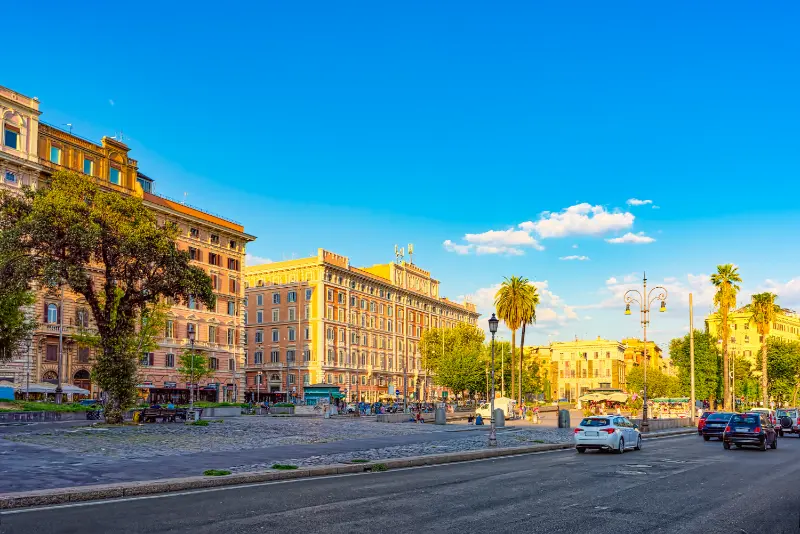
Rome in 7 Days: A Complete One-Week Itinerary Without Rushing
A full week in Rome changes the character of the trip. Instead of forcing the Colosseum, Vatican, Trevi Fountain and every famous church into consecutive days, you can alternate major attractions with neighborhoods, parks and food-focused time. That balance is what makes Rome in 7 days feel rich rather than exhausting.
This itinerary is designed for first-time visitors who want the essential monuments but also want to understand how Rome feels beyond the postcard center. It includes one optional day trip and enough flexible space to respond to weather, closures or simple travel fatigue.
Day 1: Historic center orientation
Begin with a mostly outdoor route through Piazza Navona, the Pantheon, Trevi Fountain and Spanish Steps. This gives immediate visual rewards without forcing a large museum on arrival day.
Use side streets rather than the fastest route and stop for coffee or lunch away from the busiest squares. If you arrive late, shorten the route and save Trevi for an early morning later in the week.
Day 2: Colosseum, Roman Forum and Monti
Reserve the Colosseum for the morning and give the Forum and Palatine enough time to feel meaningful. Ancient Rome becomes much easier to understand when you do not schedule another major museum immediately afterward.
Spend the late afternoon and evening in Monti. The neighborhood is close enough to avoid a transport-heavy day and works well for aperitivo or dinner.
Day 3: Vatican Museums, St. Peter’s and Prati
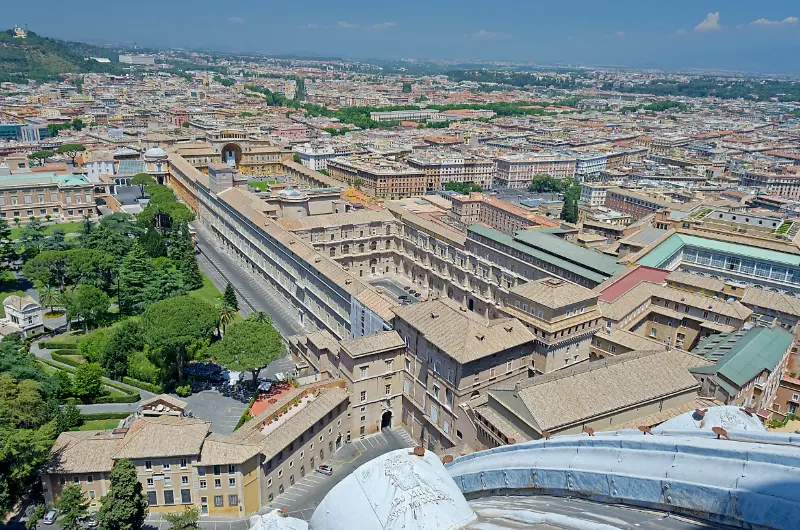
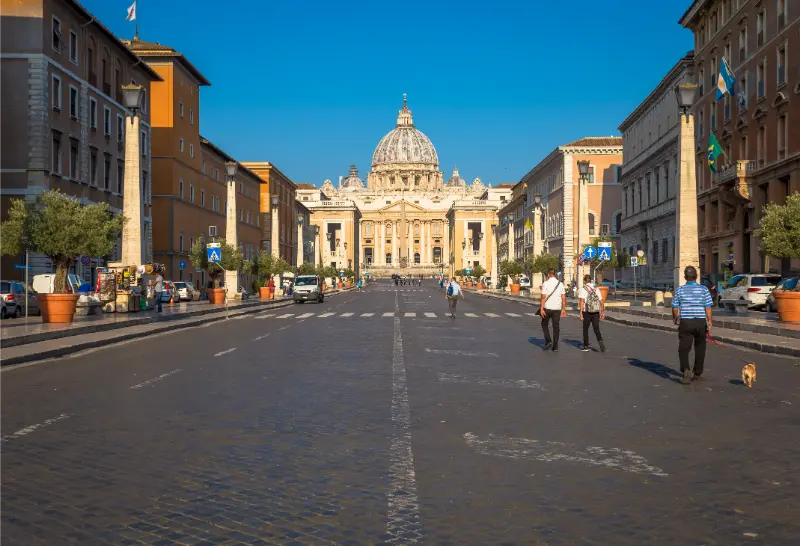
Make the Vatican your main project for the day. The museums can take several hours even on a focused route, and St. Peter’s Basilica has its own security and access rhythm.
Finish in Prati rather than racing back to the historic center. A calmer meal and a walk toward Castel Sant’Angelo create a more balanced day.
Day 4: Galleria Borghese and Villa Borghese
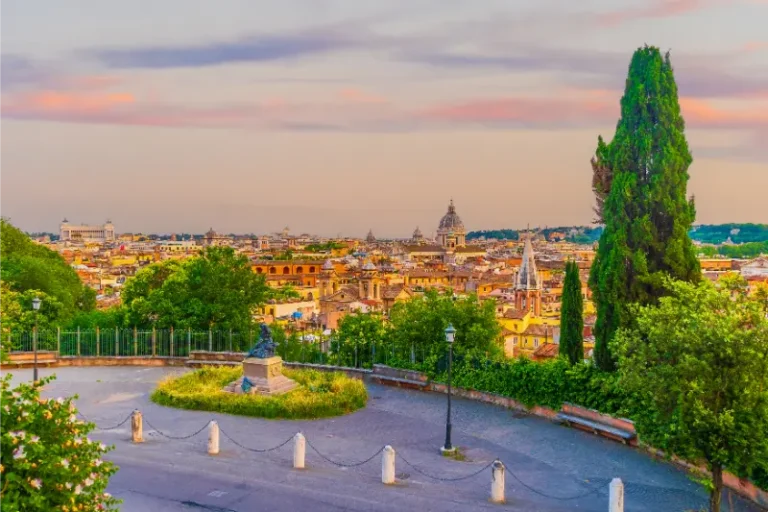
Book Galleria Borghese if art is a priority, then stay in the park instead of immediately adding another museum. Walk to the lake, Pincio or Piazza del Popolo depending on weather and energy.
This is also a useful recovery day because the park provides space and shade after three intense sightseeing days.
Day 5: Trastevere, Jewish Ghetto and Aventine
Start with the Jewish Ghetto and Theatre of Marcellus area, cross the river toward Trastevere and continue later toward the Aventine if you enjoy walking.
The day is about urban texture: markets, churches, residential lanes, food and viewpoints. It deliberately contains fewer ticketed attractions.
Day 6: Choose a day trip
Tivoli is excellent for gardens and imperial architecture; Ostia Antica gives archaeology with less urban intensity; Frascati offers Castelli Romani atmosphere; Pompeii is ambitious but possible by fast train plus local connection.
Choose the trip based on what your Rome week is missing. If you are already saturated with ruins, Pompeii may be less satisfying than a green or food-focused day outside the capital.
Day 7: Your personal Rome
Use the final day for the category you enjoyed most: churches, museums, shopping, food, photography or a second neighborhood. This is when a week-long trip becomes personal rather than generic.
Possible choices include Palazzo Massimo, the Baths of Caracalla, Appian Way, Testaccio Market, Capitoline Museums or a long coffee-to-aperitivo walk with no major reservations.
Where to place rest and laundry
A seven-day trip has enough length for practical needs to matter. Schedule laundry, slower breakfasts and hotel breaks before you become exhausted. If your accommodation has a terrace or pleasant neighborhood, use it rather than feeling that every waking hour must happen at an attraction.
How to plan this without overloading your day
Alternate heavy and light days. Colosseum and Vatican on consecutive mornings are manageable, but a third museum-heavy day immediately afterward often lowers enjoyment. Parks, neighborhoods and day trips are not filler; they are what make the week sustainable.
A useful rule in Rome is to treat walking time as part of the experience rather than dead time between attractions. Cobblestones, security checks, photographs, church interiors and spontaneous stops make almost every route slower than the map suggests. Build at least 20–30 minutes of margin around important reservations, and avoid placing two non-refundable timed entries back to back unless they are genuinely next door.
Tickets, transport and last-minute checks
Reserve the Colosseum, Vatican Museums and Galleria Borghese first. Then decide the day trip. Leave at least two afternoons without non-refundable reservations so the itinerary can absorb weather, strikes or simply a desire to stay longer somewhere.

For anything with a timed entry, use the official website where possible and save the confirmation offline. For trains and local transport, check the operating company again shortly before travel because strikes, engineering work and timetable changes can affect even a well-designed itinerary. External information links in this article are intended as planning references; always verify the final operational details before departure.
Food, water and energy management
Use the week to vary your food experiences: a traditional trattoria, pizza al taglio, Testaccio or another market, aperitivo, a bakery breakfast and at least one neighborhood dinner far from the biggest landmarks. Our Roman food guide is a useful checklist.
Carry a refillable water bottle, especially from late spring through early autumn, and wear shoes that work on uneven stone. In hot weather, move long outdoor walks toward morning and evening. In winter, protect the strongest daylight hours for parks, archaeological areas and viewpoints. A short coffee stop or a proper lunch often improves the second half of the day more than squeezing in one additional attraction.
Who this experience is best for
A seven-day itinerary is ideal for first-time visitors who dislike rushing, families who need breaks, art lovers and travelers who want at least one day trip. It is also long enough to justify staying in a neighborhood rather than choosing accommodation only for proximity to Termini.
Frequently asked questions
Is seven days too long in Rome?
No. A week allows major sights, neighborhoods, museums and a day trip without compressing every day.
How many day trips should I take in a week?
One is ideal for most first-time visitors. Two can work if you have already visited Rome or prefer regional travel to museums.
Should I buy a transport pass for seven days?
It depends on your accommodation and route. Central visitors may walk much more than expected, so compare the current ATAC options with your actual daily journeys before buying.
Final advice
One week gives Rome room to breathe. Use the first days for the icons, then let the schedule become progressively more personal. The best sign that the itinerary is working is that by day seven you are choosing what you want to revisit rather than asking what you still have to “complete.”
One more planning layer: build the day around priorities
Before you leave the hotel, decide which one or two experiences would make the day successful even if everything else changed. Rome rewards flexible travelers because churches can close for services, transport can be delayed, weather can shift and a museum may take much longer than expected. When your priorities are clear, you can drop a minor stop without feeling that the day failed. This is especially important on a first visit, when almost every street produces a new temptation to change direction.
Also remember that neighborhoods are not simply containers for attractions. Give yourself time to notice the change in atmosphere between the monumental center, residential streets, market areas and green spaces. A travel day becomes more memorable when it has contrast: archaeology followed by lunch, a museum followed by a park, or a fast train followed by an unhurried evening back in Rome.
A final practical habit is to check the next morning’s first commitment before going to bed. Confirm the route, ticket name, opening time and expected travel duration, then stop planning. Rome trips become tiring when visitors spend every evening rebuilding the next day from scratch. A small amount of preparation protects the morning while leaving the rest of the schedule open enough for discoveries, longer meals and unexpected stops.
Think of this article as a framework rather than a contract. Seasonal opening hours, restoration work, public events and transport disruption can change what is practical on a specific day. If one element becomes difficult, replace it with something nearby instead of forcing the original plan. Rome has enough density that a strong alternative is usually within walking distance, and the day often improves when you stop treating every planned stop as mandatory.
It also helps to review the route from the perspective of the slowest person in your group. Families, older travelers and anyone with mobility concerns may need more breaks, easier surfaces or fewer changes of transport. Solo travelers can often move faster but still benefit from daylight awareness and a clear return route at night. Good planning is not about maximizing attractions; it is about matching the city to the people actually taking the trip.
Before publishing or traveling, make one final check against official sources for the few facts that can change quickly: admission rules, opening hours, train times and temporary closures. Keep the broader route stable, but let those operational details remain flexible. That small distinction makes a travel guide useful for much longer while still giving readers the confidence to act on it.