

Via del Corso Rome: Shopping, History and a Walk from Piazza Venezia to Piazza del Popolo
Via del Corso is one of Rome’s simplest streets to use as an orientation line. It runs for roughly a kilometer and a half between Piazza Venezia and Piazza del Popolo, cutting through the center and linking major shopping streets, palaces, churches and side routes toward the Trevi Fountain and Spanish Steps.
It is easy to dismiss the Corso as just a retail street, but that misses its history. The modern shopping artery follows the ancient Via Lata and later became famous for Carnival races. Walking the whole length reveals how ancient road, papal city, nineteenth-century capital and contemporary commercial Rome occupy the same axis.
Via del Corso at a glance
| Area | Historic center, from Piazza Venezia to Piazza del Popolo |
| Best for | shopping, architecture, easy orientation and first-time visitors |
| Suggested time | 1–2 hours without shopping; half a day with stops |
| Cost | Free to walk |
| Best moment | Morning for architecture; late afternoon for shopping energy |
Why it deserves a separate stop
For first-time visitors, Via del Corso is a practical navigation tool. Once you understand where it runs, it becomes easier to place Piazza di Spagna, the Pantheon area, Trevi, Piazza Venezia and Piazza del Popolo in relation to one another.
For repeat visitors, the side streets are the real reward. The Corso itself can be busy, but every few minutes another route branches toward a church, gallery, palace or quieter rione.
History and context
The street traces the urban section of the ancient Via Flaminia, known as Via Lata. Its straight line survived changes in population and urban fortune, then regained importance under the popes as central Rome expanded and ceremonial routes were reorganized.
The name “Corso” is connected with the Carnival races once held along the street, including the famous riderless Barbary horse races. Those spectacles ended in the nineteenth century, but the long straight geometry that made them possible still defines the experience today.
What to see and notice
Piazza Venezia end
At the southern end, the scale changes abruptly around Piazza Venezia and the Vittoriano. This is one of Rome’s busiest traffic spaces, so use crossings carefully and begin the walk only after orienting yourself.
Palazzo Bonaparte
Near Piazza Venezia, Palazzo Bonaparte adds an exhibition venue and one of the street’s most recognizable historic façades. Check current exhibitions separately if you want to enter.
Palaces and church façades
Via del Corso is lined with architecture that many shoppers barely notice. San Marcello al Corso, noble palaces and side entrances reward looking above shop signage. A useful rule is to alternate street-level browsing with deliberate architectural pauses.
Galleria Alberto Sordi and Piazza Colonna
Around the middle section, Piazza Colonna and the historic gallery create one of the most interesting breaks in the retail sequence. The Column of Marcus Aurelius adds an ancient monument to a space surrounded by institutions and shops.
Northern Tridente
As you approach Piazza del Popolo, the Corso becomes one arm of the Tridente with Via del Babuino and Via di Ripetta. This geometry helps explain how Rome organized movement from its northern gate into the historic center.

A practical walking route
Walking south to north is slightly easier conceptually because the Vittoriano provides a clear starting landmark and Piazza del Popolo a dramatic finish.
- Start at Piazza Venezia and enter Via del Corso after checking traffic.
- Pause around Palazzo Bonaparte and San Marcello al Corso instead of browsing continuously.
- At Piazza Colonna, step off the Corso to examine the Column of Marcus Aurelius and the surrounding palaces.
- Choose one side detour: Trevi, Pantheon or the Spanish Steps. Do not attempt all three in the same short walk.
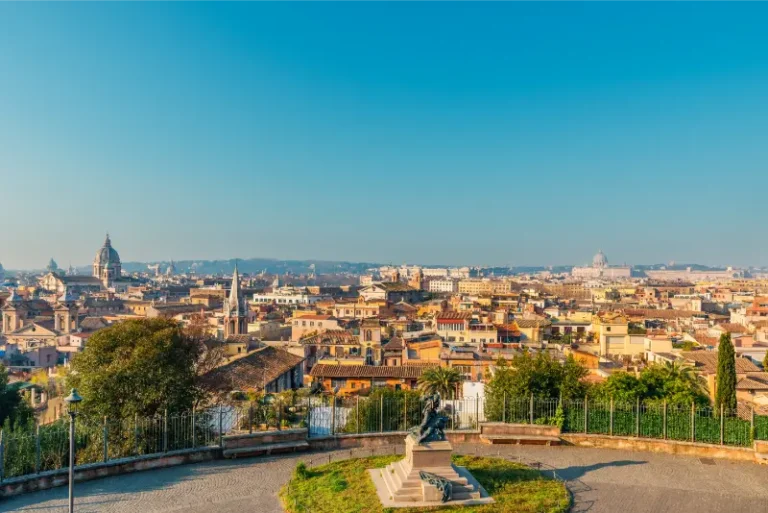
- Finish in Piazza del Popolo and continue to the Pincio if you still have energy.
The Corso is best used as a spine. Returning to it after every side trip is unnecessary; once you understand the layout, let your route curve naturally through the neighboring streets.
When to go
Morning is best for architecture because delivery traffic and retail crowds are lighter. Shops open later than monuments, so there is no reason to rush if shopping is the goal.
Late afternoon and early evening bring the strongest commercial atmosphere. Around major holidays and sale periods the street can be extremely busy, so allow more time than the distance suggests.
How to combine it with nearby Rome
The southern end connects naturally with Piazza Venezia and the Vittoriano. The northern end connects with Piazza del Popolo and the Pincio.
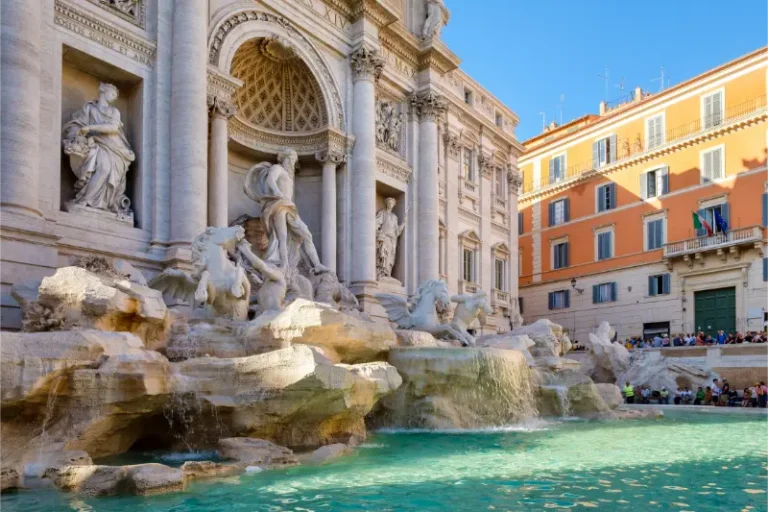
Midway, you can branch east toward Trevi Fountain or west toward the Pantheon. Choose one branch to keep the day walkable rather than zigzagging repeatedly across the center.
Practical tips that make the visit better
Watch for vehicle access and crossings even in areas that feel pedestrian-heavy. Central Rome mixes restricted traffic, taxis, deliveries, buses and people in tight space.
Prices vary dramatically. Via del Corso itself mixes international chains and Italian brands, while the luxury streets around Via Condotti target a different budget.
If your main purpose is shopping, photograph receipts and understand tax-free procedures before leaving the EU rather than trying to reconstruct paperwork at the airport.
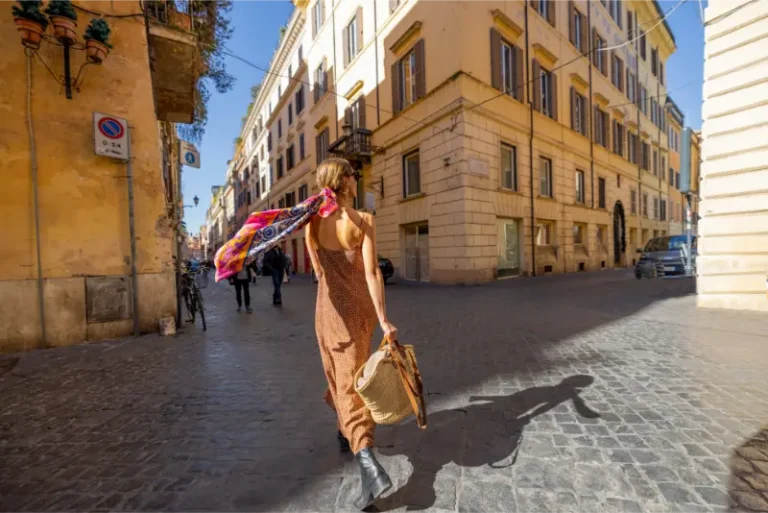
For sightseeing, keep your eyes above storefront height. The architecture is the reason this walk remains interesting even if you buy nothing.
Common mistakes to avoid
- Calling Via del Corso only a shopping street.
- Trying to visit Trevi, Pantheon, Piazza di Spagna and every shop in a single hour.
- Ignoring side streets and courtyards.
- Walking with valuables loosely accessible in dense crowds.
- Scheduling a large museum immediately after a long shopping session when fatigue is already high.
A simple itinerary around this stop
A good two-hour sightseeing version runs from Piazza Venezia to Piazza del Popolo with stops at Palazzo Bonaparte, San Marcello and Piazza Colonna. Skip shopping except for one or two planned stores.

A shopping-focused half day can move in the opposite direction from Piazza del Popolo, branch toward Via Condotti and Piazza di Spagna, then finish around Piazza Colonna or Trevi.
Shopping strategy
Decide before arriving whether you want browsing or targeted shopping. Browsing the entire Corso plus every side street can consume hours. For targeted shopping, save a short list of brands and addresses; for browsing, set a time limit and let the street itself be part of the experience.
For high-end fashion, branch toward the streets around Piazza di Spagna. For mainstream shopping, remain on or near the Corso. If you want local independent design, you may find more distinctive options in other neighborhoods, so do not assume centrality equals originality.
Using the Corso as a navigation spine
One of the smartest ways to reduce wasted walking in Rome is to use major axes as mental maps. Via del Corso gives you a north-south line through the center; from it, Trevi lies to the east while Pantheon and Navona lie to the west.
Once you understand that geometry, stop following map directions every minute. You can move more confidently and notice architecture instead of staring at your phone.
Official information and current access
Turismo Roma describes Via del Corso as the approximately 1.5-kilometer shopping artery between Piazza Venezia and Piazza del Popolo and explains its Via Lata and Carnival history on the official Turismo Roma page for Via del Corso.
Opening conditions, security arrangements, religious services, restoration work and special events can change with little notice. Check the official source shortly before your visit rather than relying on an old screenshot or a timetable copied by a third-party site.
FAQ
How long is Via del Corso?
Turismo Roma describes it as roughly 1.5 kilometers from Piazza Venezia to Piazza del Popolo.

Is Via del Corso only for luxury shopping?
No. It includes mainstream brands and lower-price options; the nearby streets around Via Condotti carry more of the luxury concentration.
Can you walk the whole street?
Yes, and doing so is a useful orientation exercise, although crowds and side detours can make it take much longer than the raw distance.
Which end is better to start from?
Piazza Venezia gives you a clear monumental start; Piazza del Popolo is equally good if you want to finish near the Vittoriano.
What should I combine with Via del Corso?
Piazza del Popolo, the Pincio, Trevi Fountain, Piazza di Spagna or Piazza Venezia all fit naturally, but choose a limited cluster.
Planning this stop well
Rome rewards geographic planning. Before leaving your hotel, group this stop with places that sit in the same part of the city and keep only one or two timed reservations in the day. Moving repeatedly between distant neighborhoods wastes energy and makes delays feel more stressful than they need to be.
Allow a margin for churches, security controls, temporary closures and simple discoveries. A doorway, small exhibition or street scene may deserve ten minutes you did not schedule. Building that flexibility into the day produces a more realistic itinerary than trying to hit every saved map pin.
For lunch and dinner, read current menus and recent information rather than following a years-old recommendation blindly. Rome’s restaurant scene changes, while the best choice also depends on where you happen to be when you are hungry. Walking a few streets away from the most famous square often improves both atmosphere and value.
Carry a refillable bottle, sun protection in warm months and a compact layer in cooler seasons. Central Rome involves more outdoor time than many travelers expect, even on museum-heavy days, because the streets and squares between attractions are part of the experience.
If accessibility is important, verify the exact route rather than judging from distance alone. Cobblestones, steps, steep ramps, security barriers and historic thresholds can make a short walk more demanding than a longer modern street. Official accessibility information should take priority over general travel descriptions.
Is it worth adding to your Rome itinerary?
Via del Corso deserves a guide because it is both route and destination. It helps you understand central Rome geographically while exposing layers of ancient road, papal spectacle, palaces and contemporary retail.
Walk it once with purpose. After that, use it as a reference line and explore the side streets where much of the city’s personality becomes more visible.

One Comment