Museo di Roma in Trastevere: Tickets, Exhibitions and Visiting Guide
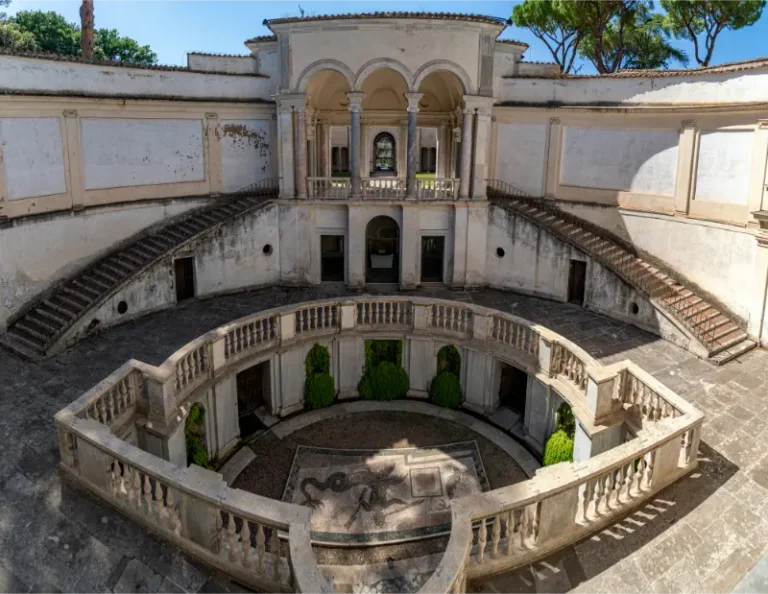
Museo di Roma in Trastevere is a useful place to understand the neighborhood beyond restaurants and nightlife. Set in the former Carmelite convent of Sant’Egidio, the museum explores aspects of Roman popular life, social history, photography and changing urban culture. Temporary exhibitions can be as important as the permanent collection, so the experience varies more than at a monument with a fixed route.
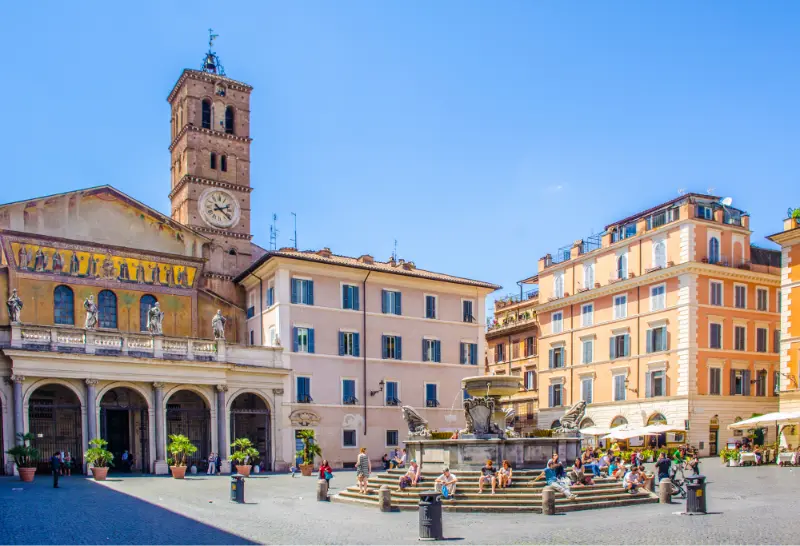
The museum’s location in Piazza Sant’Egidio makes it easy to combine with the heart of Trastevere, Santa Maria in Trastevere and a walk across the Tiber. It is especially valuable when the district feels reduced to food recommendations: the displays help reconnect modern visitors with the people, work, customs and visual memory that shaped Rome’s everyday life.
Quick facts
| Address | Piazza Sant’Egidio 1/b, Rome |
| 2026 opening | Tuesday–Sunday, 10:00–20:00 |
| Last admission | One hour before closing |
| Current ticket with exhibitions | €13 full; exhibition schedules can change the tariff |
| Typical visit | 75–120 minutes |
What kind of museum is it?
This is not a museum of ancient Rome or a palace gallery. Its subject is closer to the lived city: popular traditions, representations of daily life, photographs, social memory and the transformation of neighborhoods. That makes it particularly interesting after you have spent several days looking at emperors, popes and aristocratic collections.
The museum can also host major temporary exhibitions. In 2026 its official ticket pages list exhibition-specific combinations, which means the exact balance between permanent displays and temporary shows depends on your date. Before visiting, check what is currently open rather than assuming that a description from a past year still matches the museum.
Opening hours and tickets in 2026
The official museum information lists Tuesday through Sunday from 10:00 to 20:00, with last admission one hour before closing. It is normally closed Monday, 1 May and 25 December, with special hours on 24 and 31 December. These long opening hours make it easier to visit in late afternoon than many smaller Roman museums.
Ticket prices depend on exhibitions. The official 2026 page currently lists €13 full admission for the museum with exhibitions in progress, while ordinary museum-only rates apply when no paid exhibition is included. Residents of Rome and the Metropolitan City receive free museum admission under the municipal policy introduced in February 2026, although separate exhibition rules can still apply. Always verify the exact ticket for your date.
Why the museum adds depth to Trastevere
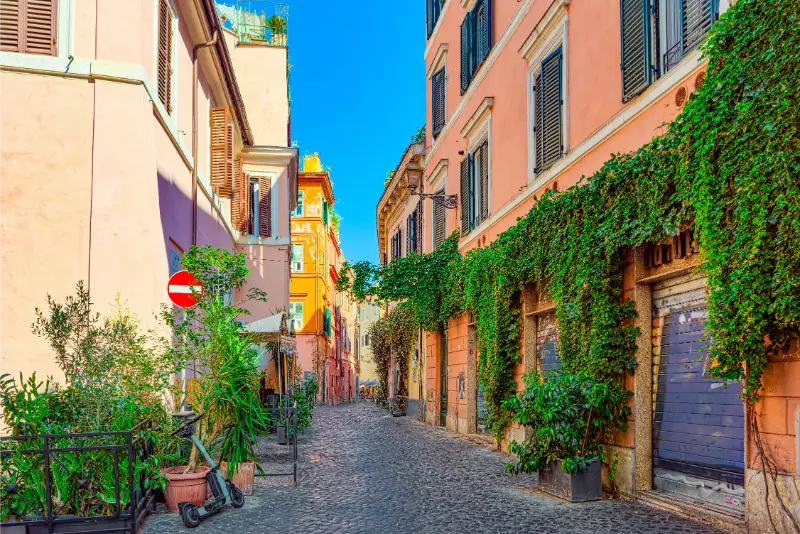
Trastevere is often marketed as a picturesque evening quarter, but that image is incomplete. The district has a long social history shaped by workers, crafts, religious institutions, migration, neighborhood identity and the changing economy of central Rome. A museum visit helps you see the streets outside as a living urban environment rather than a restaurant backdrop.
Afterward, details such as courtyards, laundry, church facades, small workshops and street patterns become easier to read. This is why the museum pairs particularly well with a self-guided neighborhood walk. Use our Trastevere guide for the route, then let the museum supply historical context.
Permanent collections and visual memory
Displays associated with Roman popular culture may include paintings, watercolors, prints, objects and reconstructions that document ways of life now partly disappeared. The goal is not nostalgia for a perfectly preserved “old Rome,” but evidence of how the city represented itself and how everyday occupations, festivals and domestic scenes entered visual culture.
Photography is another important lens. Images can reveal urban change faster than text: streets widen, buildings disappear, clothing changes and public space acquires new uses. If you enjoy the photographic side of travel, compare historical views with what you see outside and use our Rome photography guide to plan your own visual record of the city.
Temporary exhibitions: check before you go
Temporary shows can significantly change both the content and price of a visit. That is an advantage if the subject interests you, but a reason to check the official calendar rather than arriving with a fixed expectation. In 2026 the museum’s ticket system lists different combinations for museum-only and museum-plus-exhibition access.
If you are visiting primarily for a temporary show, reserve enough time for it and treat the permanent collection as a second layer. If you care mainly about Roman social history, verify which permanent rooms are accessible during the exhibition installation. Museums sometimes close sections temporarily for setup, conservation or events.
How long to spend
Allow around 75 to 120 minutes for a normal visit. A photography or major temporary exhibition can easily extend that. Because the museum is central within Trastevere, you do not need to turn it into an all-day project. The best use is often as one anchor inside a wider neighborhood half day.
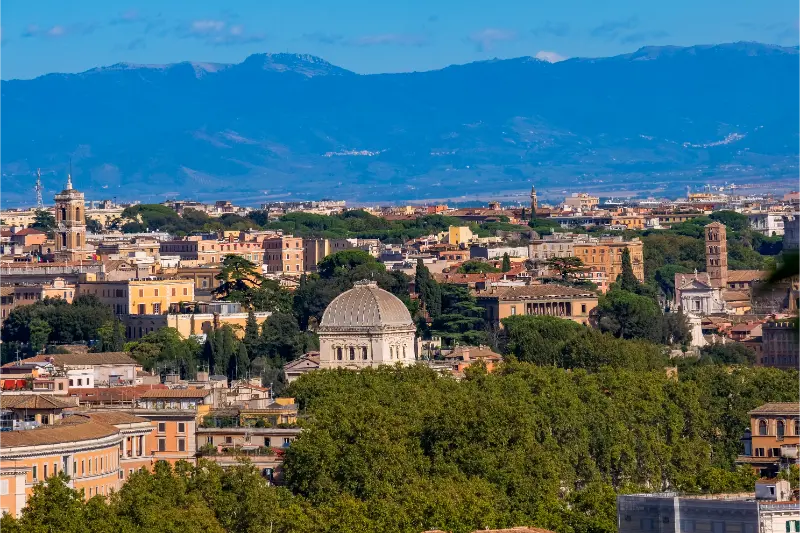
For example, visit Santa Maria in Trastevere in the morning, explore lanes around Piazza di Santa Maria and Piazza Sant’Egidio, spend late morning or early afternoon in the museum, then continue toward the river or the Janiculum. This creates a richer sequence than rushing between distant attractions.
Best time to visit
Late morning works well before lunch, while mid-afternoon is excellent in summer because the museum offers a long indoor pause. The 20:00 closing time also makes early evening possible on standard opening days, although you should not arrive near the last-admission cut-off if you want a relaxed visit.
If you plan dinner in Trastevere, the museum can be a smart pre-dinner stop. Visit around 17:00, then walk the neighborhood as evening begins. Our Rome at night guide explains how to enjoy central districts after dark without building the entire evening around nightlife.
Families, accessibility and comfort
Social-history museums can work well with older children because the subject is human rather than abstract: jobs, streets, clothing, photographs and festivals. Younger children may need a shorter visit. Give them a simple observation task, such as finding an image of a street, market or costume, then move back outdoors before attention disappears.
The museum occupies a historic complex, so travelers who need step-free access should check the current accessibility route. Do not assume every old building has the same limitations; many civic museums have adapted routes, but temporary exhibitions can alter circulation. Our accessible Rome guide offers broader planning advice.
What to combine nearby
Santa Maria in Trastevere is the most natural companion sight. From the museum you can also walk to Santa Cecilia in Trastevere, cross Ponte Sisto toward Campo de’ Fiori or head uphill toward the Janiculum. Food-focused visitors can combine the museum with the neighborhood’s markets and traditional restaurants, but avoid treating every hour as a meal stop.

A particularly good route is museum → Santa Maria in Trastevere → lanes toward Ponte Sisto → river crossing → Campo de’ Fiori and Piazza Navona. It stays mostly on foot and links social history to some of Rome’s most famous public spaces. See our historic center walk for the central section.
Common mistakes to avoid
The first mistake is assuming the museum is a permanent exhibition with an unchanging price. Temporary shows matter here. The second is visiting Trastevere only at night and missing the quieter daytime neighborhood. The third is trying to combine the museum with too many major timed attractions elsewhere in Rome.
Also avoid relying on generic “free museum” lists. Since February 2026 some civic museums are free for residents of Rome and the Metropolitan City, not automatically for every visitor. Read the eligibility rules on the official ticket page.
Planning notes for a deeper Trastevere day
Spend at least part of Trastevere before the evening restaurant crowds arrive. Morning streets, school traffic, delivery vans and residents using local shops reveal a different neighborhood from the nightlife image. The museum then gives historical texture to those observations. Afterward, return outside and compare the present streets with the visual material you saw inside.
If a temporary exhibition is the main reason for your visit, confirm whether the permanent collection is also accessible under the same ticket. Exhibition installation can affect rooms and circulation. A quick check prevents disappointment and helps you decide whether to allocate one hour or two.
Final planning checklist
Before your visit, recheck the most time-sensitive details for Museo di Roma in Trastevere: opening hours or business hours, transport disruptions, ticket conditions and any temporary closures. Save the address and one alternative nearby plan offline. Rome changes through restoration projects, strikes, exhibitions and seasonal schedules, so a five-minute check on the official source can prevent a wasted journey.
Keep the day geographically compact, allow more walking time than a map estimate suggests, and leave space for food, water and rest. The strongest Rome itineraries are not the ones with the most pins; they are the ones that give each neighborhood enough time to feel coherent. If a plan starts to feel rushed, remove one minor stop rather than turning every visit into a race.
Frequently asked questions
Is Museo di Roma in Trastevere about ancient Rome?
No. Its focus is much more on Roman popular culture, social history, visual memory and temporary exhibitions.
How long should I allow?
Around 75–120 minutes is a good target, longer if a major temporary exhibition interests you.
Is it open on Monday?
No. The current standard schedule lists Monday as closed.
Can I combine it with a Trastevere food evening?
Yes. A late-afternoon museum visit followed by a walk and dinner is one of the most practical ways to use its long opening hours.
Who should prioritize this museum?
Prioritize it if you want to understand Rome as a lived city rather than only a collection of monuments. It is particularly good for repeat visitors, photography lovers, social-history travelers and anyone spending a full half day in Trastevere.