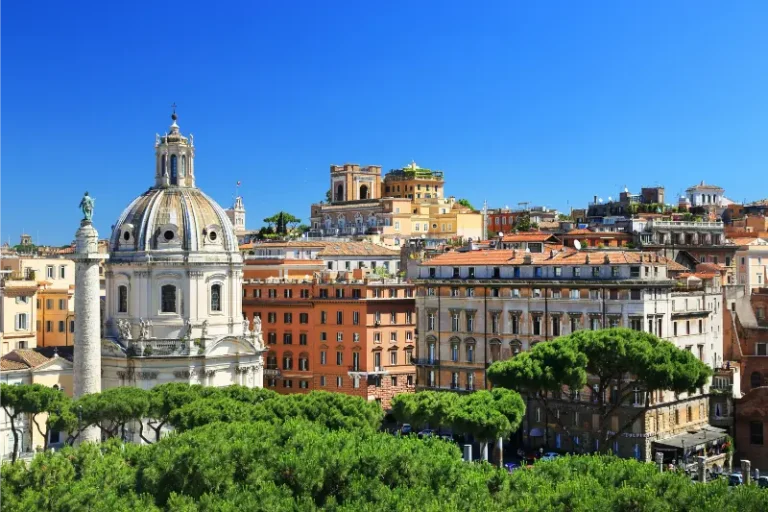

Vatican Gardens Guide: Tours, Tickets and What to Expect
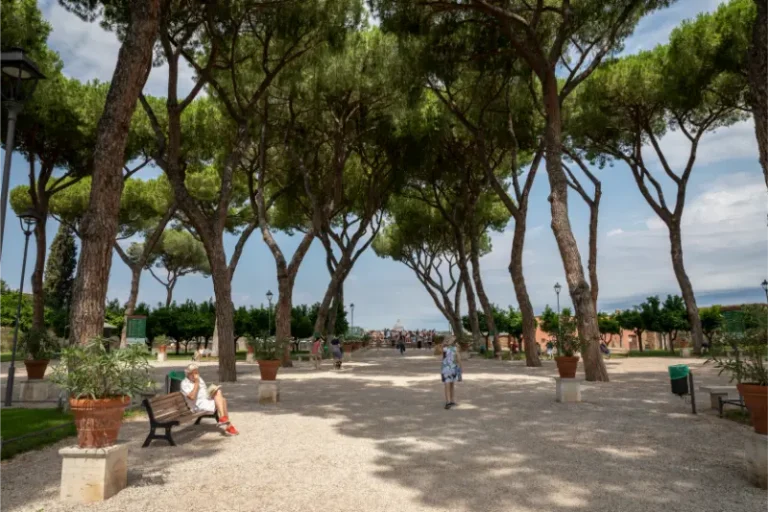
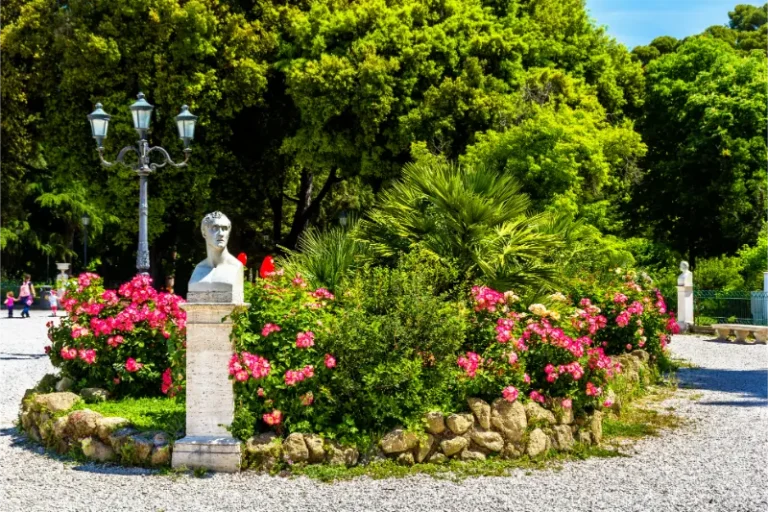
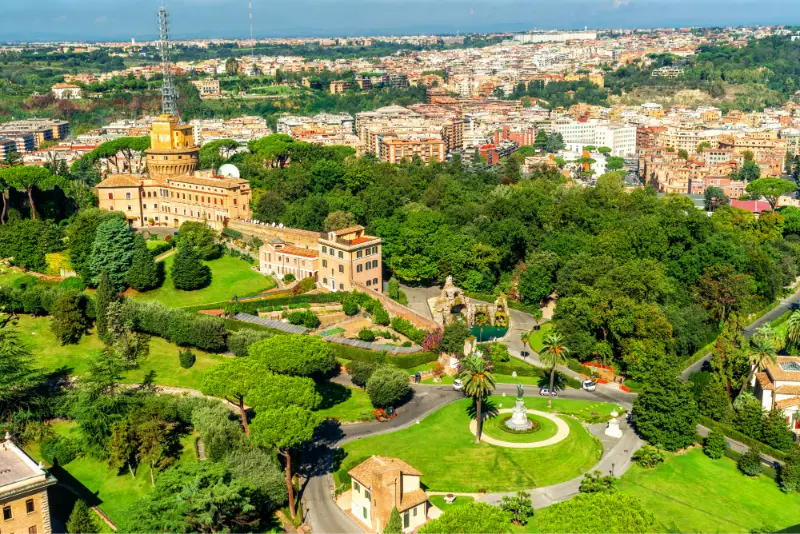
The Vatican Gardens occupy roughly half of Vatican City and offer a very different experience from the museum galleries and St Peter’s Square. They contain landscaped gardens, fountains, monuments, devotional sites and views across the tiny state. Access is controlled rather than open like a normal city park, so the essential planning step is to choose an official guided visit or authorized itinerary and understand what else your ticket includes.
Quick facts
| Area | About 22 hectares | Roughly half of Vatican City |
| Access | Controlled/guided | Book an official visit product |
| Official portal | Vatican Museums ticketing | Beware similar-looking reseller domains |
| Best pairing | Vatican Museums | Check what the selected tour includes |
Why the Vatican Gardens are different
The Vatican Museums describe the gardens as covering approximately 22 hectares. They are part of the sovereign Vatican City State rather than a public Roman park, so visitors cannot simply walk in from St Peter’s Square. The official Vatican Gardens page links to the authorized booking system.
The atmosphere can feel surprisingly quiet compared with the museum entrances. The appeal is not one single masterpiece but the combination of landscape, religious history and unusual views inside a place most Rome visitors only see from outside.
How to book safely
The Vatican Museums repeatedly warn that their only official online ticket portal is the official Vatican ticketing domain. Use links from museivaticani.va rather than clicking a sponsored search result with a similar domain name.
Garden products can vary by season and may include walking tours, bus-style visits or combinations with museum admission. Read the exact product description before paying rather than assuming every “Vatican Gardens ticket” gives the same route or duration.
What you may see
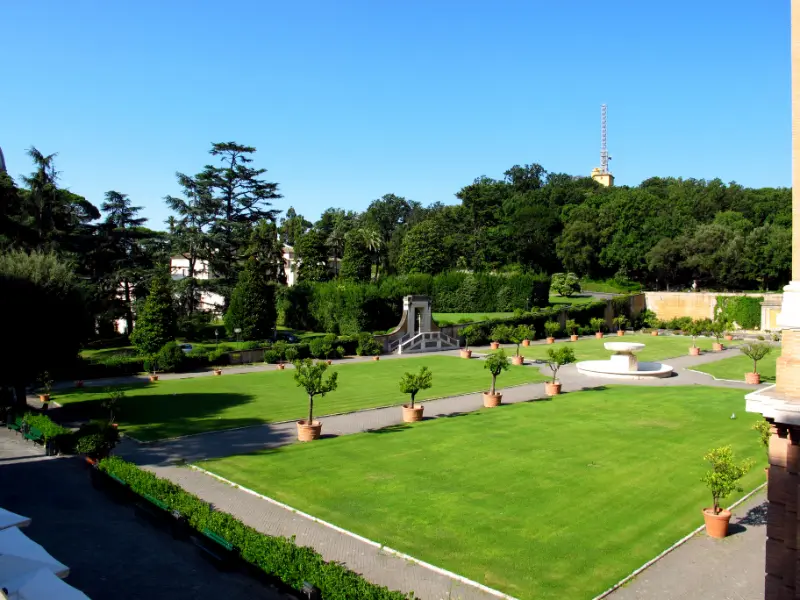
Routes vary, but the gardens are known for fountains, formal landscaping, Marian shrines, historic buildings and viewpoints across Vatican City. Because the itinerary is controlled, you follow the assigned guide or transport route rather than wandering independently.
This makes the experience better for travelers who enjoy context and landscaped spaces, but less suitable for someone who wants complete freedom to stop anywhere for photography. The guide’s pace and security rules shape the visit.
How to combine the gardens with the Vatican Museums
Many travelers combine the gardens with the Vatican Museums. Check whether your selected garden product already includes museum access or requires a separate ticket. Do not buy duplicate admissions before reading the inclusions.
Gardens plus museums can make a long Vatican day. Schedule food, water and a rest period, and do not add a dome climb automatically unless your energy and timing make sense.

Best time of year
Spring and autumn offer the most comfortable walking weather. Summer can be beautiful but hot, and outdoor sections offer less relief than air-conditioned galleries. Winter has softer light and fewer heat concerns, though weather can reduce the appeal of a garden-focused experience.
Because outdoor access can be affected by institutional needs and weather, check your confirmation and official notices shortly before departure.
Photography, bags and security
Security rules apply, and the permitted photography policy can differ by area. Follow the guide’s instructions. Travel light: large luggage is inconvenient around Vatican security and can complicate a day that continues into museums or the basilica.
If you need to manage bags, read our Rome luggage storage guide before your Vatican day rather than arriving with suitcases.
Who will enjoy the gardens most
The gardens suit repeat visitors, travelers interested in Vatican history, people who enjoy landscaped spaces and anyone who wants a calmer perspective on the microstate. First-time visitors with only half a day may get more value from the main Museums and St Peter’s Basilica.
If you have limited time, compare our Vatican Museums, St Peter’s Basilica and dome guides before choosing.
Frequently asked questions
Can I visit the Vatican Gardens without a tour?
General tourist access is controlled. Book an official or authorized visit product rather than expecting a public-park entrance.
How large are the Vatican Gardens?
The Vatican Museums describe them as approximately 22 hectares, roughly half the territory of Vatican City.
Do Vatican Gardens tickets include the Museums?
Some products combine them, but inclusions vary. Read the exact official product description.
Where should I buy tickets?
Use the official Vatican Museums website and its linked ticket portal.
Are the gardens good in summer?
They can be, but heat is a major factor. Early times and sun protection are preferable when available.
How to fit this into a Vatican or Rome itinerary
The best way to use this experience is to protect enough time around it. Do not place another non-refundable reservation immediately afterward unless the transfer is short and predictable. In the Vatican area, security lines and controlled entrances can add more time than the map suggests. Pair the visit with St Peter’s Basilica or the Vatican Museums only when the booking times leave a comfortable buffer.
A good Rome day usually combines one demanding attraction with one flexible walk, church or neighborhood. This gives you room for a coffee, lunch, a security delay or a place that turns out to deserve more time than expected. Trying to maximize the number of admissions often produces a worse experience than choosing fewer places and understanding them properly.
Dress, security and what to carry
For Vatican and church-related visits, dress rules matter even in the hottest months. Shoulders and knees should be appropriately covered, and staff can refuse entry when clothing is unsuitable. Our Rome dress code guide explains practical summer solutions. Carry only what you need, because large bags can complicate security and some restricted areas do not accept them.
Keep your booking confirmation, identification when required, and the exact meeting point saved offline. A small bottle of water is useful before or after a visit, but food and drinks may be restricted inside archaeological or sacred areas. Comfortable shoes matter more than formal appearance: Vatican days involve a surprising amount of standing and walking.
Before you go: final checks
Check the official website again shortly before the visit. Papal ceremonies, maintenance, restoration, weather and institutional needs can change access even when a normal weekly schedule is published. If a third-party seller describes a “skip-the-line” product, read exactly what it includes and compare it with the official admission or reservation process before paying.
Save the address and entrance instructions rather than navigating only to the attraction name. Large Vatican sites have different gates, and arriving on the wrong side of the walls can add a long walk. Plan with a realistic buffer, keep your confirmation available without mobile data, and treat the official operator as the final authority for the day.
Plan the rest of your Rome trip
Continue planning with Vatican Museums, St Peter’s Basilica and Rome dress code. These guides are designed to work together so that tickets, transport, neighborhoods and sightseeing form one realistic itinerary.
Who this option is best for
This option is most useful for travelers who value a clear plan and want to reduce uncertainty on a busy sightseeing day. It is less compelling when your hotel is already within walking distance of most of your priorities or when your itinerary is deliberately slow. Think about the whole day — not just the first ride or entrance — before deciding whether the extra structure is worthwhile.
Solo travelers can often stay flexible until the last moment, while families and groups benefit more from agreed meeting points, pre-booked times and fewer changes. Older travelers and anyone with mobility limits should prioritize predictable access and rest opportunities. The “best” choice in Rome depends heavily on energy, luggage, heat and where you are staying.
A simple decision checklist
Before paying or committing, ask five questions: Is the service official or clearly authorized? Does it match the exact date and route I need? Are there mandatory reservations in addition to the ticket? What happens if I arrive late? And is the return journey as simple as the outward one? Those questions prevent most expensive planning mistakes.
Also check cancellation rules and whether the product is tied to a named visitor, time slot or activation window. Keep a screenshot of the confirmation, but use the live official website for last-minute operational changes. If an offer sounds unusually cheap or promises access that the official site says is restricted, verify it before entering payment details.
What to save offline
Save the address, official confirmation, operating page and any QR code before leaving your accommodation. Rome mobile coverage is generally good, but crowded stations, underground sections, roaming settings or a low battery can make a live connection unreliable exactly when you need it. A screenshot is also useful when staff need to see a booking reference quickly.
Write down the nearest major landmark or station as well as the exact destination. If a street entrance is closed or a stop has moved, knowing the surrounding area makes it much easier to switch to a sensible alternative. Keep a small power bank on long sightseeing days and avoid using your final few percent of battery on non-essential video.