
Vintage Shopping in Rome: Best Areas, Markets and What to Look For
Vintage shopping in Rome works best when you treat it as neighborhood exploration rather than a hunt for one famous store. Monti, Trastevere, San Lorenzo and market areas all offer different mixes of clothing, accessories, design, antiques and second-hand finds.
Stock changes constantly, so the most useful strategy is to know the right areas, understand pricing and leave enough time to browse without turning the whole day into a retail marathon.
| Area | Best for | Combine with |
|---|---|---|
| Monti | Curated vintage and independent design | Colosseum and Santa Maria Maggiore |
| Trastevere | Small shops and weekend atmosphere | Churches and evening food |
| Porta Portese | Flea-market browsing | Trastevere and Testaccio |
| San Lorenzo | Alternative style and student energy | Street art and nightlife |
| Prati | Polished shopping mix | Vatican and Castel Sant’Angelo |
Monti: the easiest starting point
Monti is central, stylish and easy to combine with Ancient Rome. Small boutiques, vintage rails and independent accessories sit between cafés and old streets. See our Monti neighborhood guide before you go.
Prices can be higher than at flea markets because many shops curate, clean and present items carefully. You are paying partly for selection and convenience, not only for the age of the garment.
Porta Portese: flea-market energy
Porta Portese is traditionally associated with Sunday morning and offers a much less curated experience. Expect a huge range of goods and quality. Use our Rome markets guide for broader context.
Go with patience, protect valuables and inspect items carefully. The market is more interesting when you enjoy browsing itself; it is not the best option if you need one specific size, brand or luxury item.
Trastevere and San Lorenzo
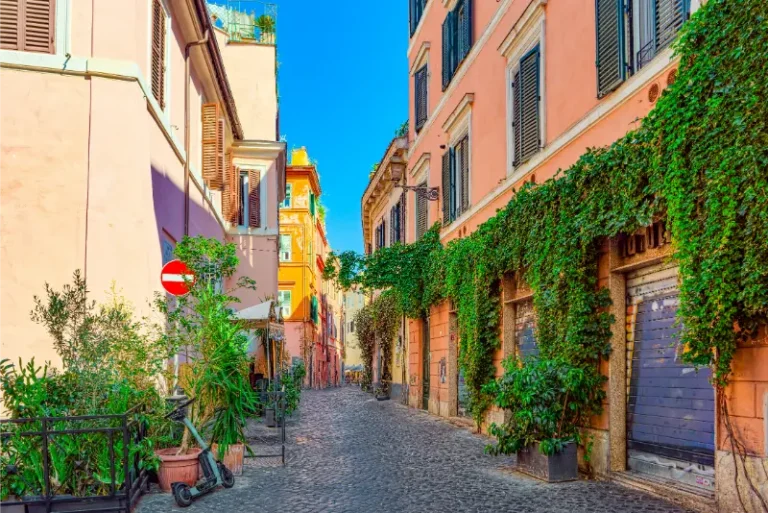
Trastevere can combine casual shopping with a full neighborhood day. Browse slowly, then stay for food and evening atmosphere using our Trastevere guide.
San Lorenzo has a younger and more alternative feel. It is better for travelers who enjoy independent scenes than for those seeking polished luxury vintage.
How to judge a vintage purchase
Check seams, zippers, lining, stains, odors and alterations. Natural wear can add character, but structural damage is different from patina. Try on clothing whenever the shop allows it because vintage sizing can differ dramatically from current labels.
For expensive branded pieces, ask about authenticity and return conditions. If provenance matters, use established dealers rather than assuming a flea-market label is genuine.

Packing and tax considerations
Leave space in your luggage if shopping is a real goal. Shoes, leather jackets and home objects add weight quickly. Fragile antiques may need professional packing rather than being placed between clothes.
For general shopping districts and practical suggestions, our Rome shopping guide complements this vintage-focused route.
How to fit this into a Rome itinerary
This theme works best when it is connected to the part of Rome you are already exploring. Avoid crossing the city several times just to tick off one stop. Build around a neighborhood, then add one of the core sights from 3-day Rome itinerary or Rome at night guide if it is nearby. Rome rewards geographic planning because short distances on a map can become slow journeys once cobblestones, crowds, security lines and public transport are involved.
Keep one flexible block in the day. Weather, strikes, religious ceremonies, maintenance work and private events can change access with little notice. A flexible hour also gives you room for a café stop, a longer meal or an unexpected church or viewpoint. The strongest Rome itineraries leave space for discovery instead of scheduling every twenty minutes.
Best time of day and seasonal considerations
Morning is usually the easiest time for quieter streets and cooler temperatures, while late afternoon and evening create better atmosphere for food, views and neighborhood walks. In summer, reduce exposed walking around midday and carry water. In winter, start outdoor routes earlier because daylight is shorter. Spring and autumn are comfortable but can still bring rain, so have one indoor alternative ready.
Rome changes significantly around major religious holidays, public holidays and large events. Transport can be busier, roads may close and churches can prioritize worship over sightseeing. Before a trip, check official information for any attraction that is essential to your plan and recheck the day before when the visit depends on timed entry.
Practical tips that make the day easier
- Wear comfortable shoes with grip; historic paving is attractive but tiring.
- Carry a refillable bottle and use public drinking fountains where appropriate.
- Keep valuables secure in crowded transport, markets and major squares.
- Do not rely on a single bus connection when you have a timed ticket.
- Reserve only the experiences that genuinely need a fixed time; leave the rest flexible.
- Choose a central base if your trip is short and you want to reduce transport time.
Common mistakes to avoid
- Expecting every flea-market item to be a genuine antique or designer piece.
- Buying expensive branded goods without checking authenticity.
- Forgetting that vintage sizing may differ from modern sizing.
- Carrying a full day of shopping bags through crowded archaeological sites.
- Visiting only one store and assuming it represents Rome’s whole vintage scene.
Frequently asked questions
What is the best area for vintage shopping in Rome?
Monti is the easiest first choice because it is central and combines curated vintage with independent boutiques and sightseeing.
Is Porta Portese only for vintage clothing?
No. It is a broad flea market with clothing, household goods, accessories and many other categories, and quality varies widely.

Can I find luxury vintage in Rome?
Yes, but higher-value purchases should be made from reputable specialist shops where authenticity and return conditions are clearer.
Budget and value
This experience can be adapted to almost any budget. The biggest savings usually come from planning geographically, using public transport only when it actually saves time, and avoiding convenience purchases beside the most crowded monuments. Spend where it changes the experience: a well-located hotel, a reserved activity you genuinely care about, or a meal that is part of the trip rather than simply the nearest option.
Keep a small contingency in the daily budget for taxis, an unexpected admission fee or a last-minute change of plan. Rome is easier when every decision does not depend on choosing the absolute cheapest option.
Accessibility and slower travel
Rome can be demanding for travelers with reduced mobility because of cobblestones, hills, stairs and older buildings. Before visiting a specific venue, check its current accessibility information rather than relying on general city advice. Elevators and step-free entrances may exist but can be located away from the main entrance.
A slower itinerary is not a lesser itinerary. Reducing the number of stops often improves the experience for everyone, especially families, older travelers and visitors recovering from long flights. Choose fewer places and spend more time in each neighborhood.
Using public transport intelligently
Metro, buses and trams can save energy, but central Rome is still a walking city. Use transport for the long jump between neighborhoods, then explore on foot. Waiting for a bus to move only a few stops is not always faster than walking, especially when traffic is heavy.
Keep a buffer before timed tickets. A route that looks simple in a journey planner can be affected by traffic, demonstrations, road works or service changes. For airport and train connections, use even more margin.
Where to stay for this kind of trip
A central base reduces friction if this theme is important to you. The historic center, Monti, Prati and Trastevere each offer different advantages, so compare them with our where to stay in Rome guide.
Do not choose a hotel only by straight-line distance. Check the actual walking route, nearest useful transport and whether returning late involves steep streets or isolated stretches.
Building a balanced day
A useful rule in Rome is to combine one high-focus activity with one low-pressure activity. A museum, guided visit or long specialty experience demands concentration; a park, neighborhood walk or leisurely food stop gives your attention a break. Alternating the two makes a long sightseeing day feel easier and also gives you options if a reservation changes.
Do not measure a Rome day by the number of pins completed on a map. Travel time, security, heat and meal breaks are part of the experience. Two memorable places explored properly are often more valuable than six rushed stops seen mainly from the pavement.
Photography and responsible travel
Take photographs without blocking doorways, narrow pavements or service staff. Tripods and professional equipment may be restricted in museums, churches and private venues, so check rules before carrying heavy gear. In crowded places, step aside before stopping suddenly for a photo.
Respect residential neighborhoods as places where people live. Keep voices down late at night, do not sit on private steps, and avoid leaving cups, bottles or food packaging behind. Small habits make specialized itineraries more enjoyable for visitors and less disruptive for residents.
Final advice
Treat this as a way to experience Rome more deeply, not as another checklist. Choose a few strong stops, connect them logically, confirm anything time-sensitive and leave space for the city itself. That balance usually produces a better day than trying to maximize the number of places visited.