Rome in One Day: The Best 24-Hour Itinerary for First-Time Visitors
One day in Rome is not enough to understand the city, but it is enough to have an excellent first encounter if you accept one important rule: you cannot treat Rome like a checklist. The city is physically demanding, major sights require timed entry, and the historic center constantly slows you down with churches, fountains and streets worth exploring.
This itinerary is designed for travelers with roughly 24 hours in Rome, including cruise stopovers, business trips, long layovers and very short city breaks. It prioritizes the places that create the strongest sense of Rome while keeping the route geographically logical. If you already have two or three days, use our Rome in 2 Days itinerary instead.
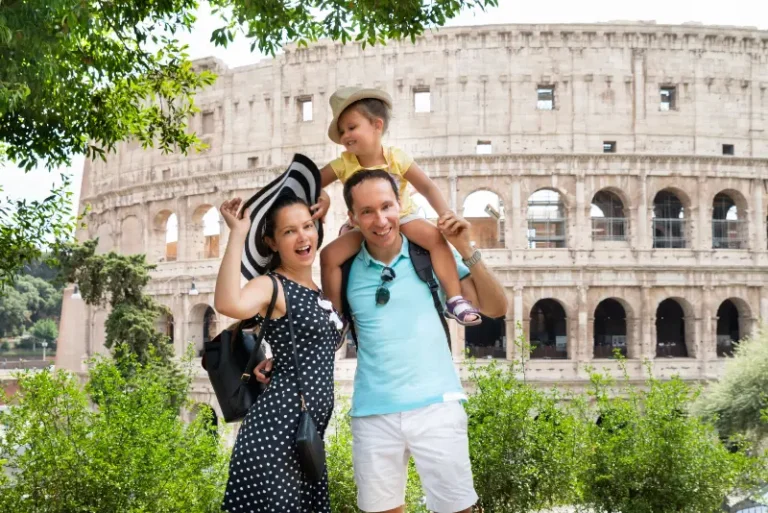
Start early at the Colosseum
Book the earliest practical Colosseum slot and arrive with enough time for security. The Colosseum is the hardest part of a one-day itinerary to improvise because entry is timed and the archaeological area is large. A focused visit is better than trying to inspect every level and exhibition.
If your ticket includes the Roman Forum and Palatine Hill, choose a compact route rather than spending half the day inside the archaeological park. The purpose is to experience ancient Rome and preserve enough energy for the historic center. Our Colosseum guide explains the options in more detail.
Walk through Monti toward the historic center
After the ancient sites, move through Monti for coffee or an early lunch. This creates a useful transition from monumental Rome to a neighborhood scale and avoids the mistake of traveling across the city immediately after a demanding visit.
From Monti you can continue toward Piazza Venezia and the center on foot, adjusting the route according to your energy. The streets between major landmarks are part of the day, not simply transfers.
Piazza Venezia and the Capitoline area
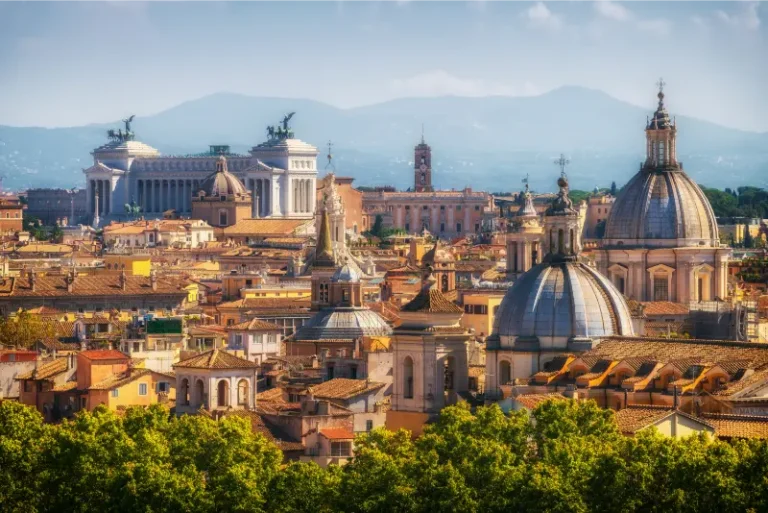
Piazza Venezia is a natural orientation point between ancient and Baroque Rome. Even if you do not enter a museum, the Victor Emmanuel II Monument and the approach to the Capitoline Hill help connect the city’s layers.
If time is tight, keep moving rather than adding the Capitoline Museums. They deserve a separate visit and are too substantial for a one-day itinerary already anchored by the Colosseum.

Pantheon and Piazza Navona
Continue to the Pantheon, one of the most important surviving monuments of ancient Rome. Since admission rules and prices can change, check the official system before the trip and avoid wasting time in an unnecessary queue.
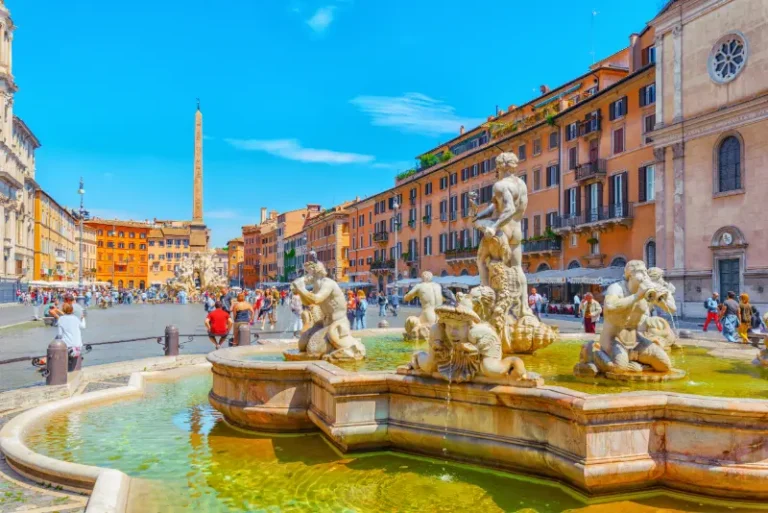
From the Pantheon, Piazza Navona is only a short walk. The square provides a completely different visual language: fountains, Baroque façades and open urban space. This is one of the best moments to slow down for twenty minutes rather than photograph and leave immediately.
Trevi Fountain and Spanish Steps
From Piazza Navona, work east through the historic center toward the Trevi Fountain. The fountain can be extremely busy, and access arrangements have changed in recent years, so do not build your schedule around an exact five-minute stop.
Continue to the Spanish Steps and Piazza di Spagna. If your legs are tired, enjoy the square from below rather than climbing simply for the sake of it. Remember that sitting on the Spanish Steps is prohibited.
Should you add the Vatican?
Trying to combine a full Vatican Museums visit with the Colosseum and historic center in one day is usually a mistake. If the Vatican is essential, choose it instead of the Colosseum or replace part of the historic-center route.
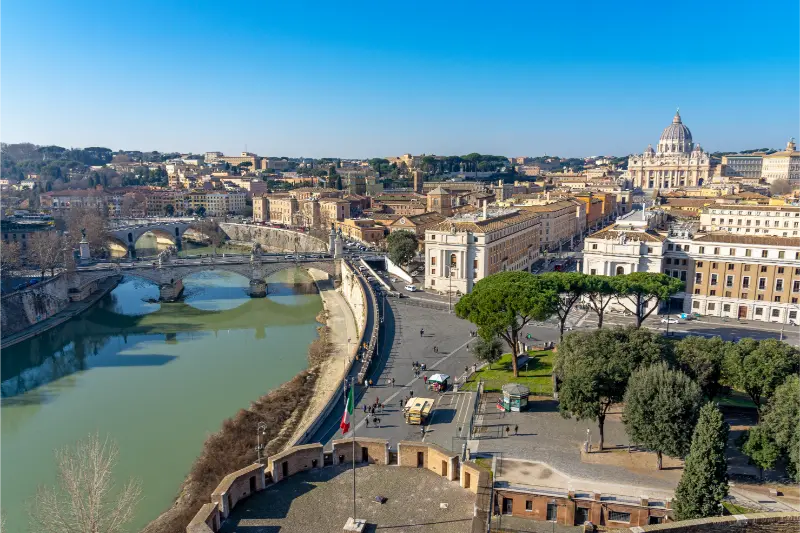
A good compromise is to finish near St. Peter’s Square in the early evening, viewing the basilica exterior and the square without adding the museums. This still gives a sense of Vatican City while protecting the rest of the itinerary.
Where to eat on a one-day visit
Do not spend an hour crossing Rome for a famous restaurant. Eat near the route, but walk a street or two away from the most photographed landmark. Pizza al taglio, a bakery, a simple trattoria or a market-style lunch fits a compressed day well.
For dinner, choose the neighborhood where you want to end the evening. Monti is convenient after ancient Rome; Trastevere is atmospheric but adds travel; the historic center is easiest if you want a final night walk.
A realistic one-day timetable
- 08:00–10:30: Colosseum and a focused section of the Roman Forum/Palatine.
- 10:30–12:00: Monti and walk toward Piazza Venezia.
- 12:00–13:00: lunch or substantial snack.
- 13:00–16:00: Pantheon, Piazza Navona and historic-center streets.
- 16:00–18:00: Trevi Fountain and Spanish Steps.
- Evening: dinner and either a slow central walk or St. Peter’s Square, depending on energy.
How to plan this without overloading your day
Keep only one major timed attraction in the morning and let the afternoon be mostly walkable. The biggest risk in a one-day visit is losing forty minutes to a transport connection that was never necessary. The route above is intentionally central so you can shorten it at any point without destroying the day.
A useful rule in Rome is to treat walking time as part of the experience rather than dead time between attractions. Cobblestones, security checks, photographs, church interiors and spontaneous stops make almost every route slower than the map suggests. Build at least 20–30 minutes of margin around important reservations, and avoid placing two non-refundable timed entries back to back unless they are genuinely next door.
Tickets, transport and last-minute checks
Reserve the Colosseum in advance if it is your anchor. If you choose the Vatican Museums instead, reserve that and drop the Colosseum rather than attempting both. Check the Pantheon and Trevi Fountain access rules shortly before travel because visitor-management systems can change.
For anything with a timed entry, use the official website where possible and save the confirmation offline. For trains and local transport, check the operating company again shortly before travel because strikes, engineering work and timetable changes can affect even a well-designed itinerary. External information links in this article are intended as planning references; always verify the final operational details before departure.
Food, water and energy management
Breakfast near your accommodation, a quick but proper lunch around Monti or the center, and a flexible dinner is the most efficient pattern. Avoid eating your main meal on the most photographed piazza unless the location itself is your priority.
Carry a refillable water bottle, especially from late spring through early autumn, and wear shoes that work on uneven stone. In hot weather, move long outdoor walks toward morning and evening. In winter, protect the strongest daylight hours for parks, archaeological areas and viewpoints. A short coffee stop or a proper lunch often improves the second half of the day more than squeezing in one additional attraction.
Who this experience is best for
This plan suits first-time visitors who want the classic visual identity of Rome in a single day. It is less suitable for travelers who love museums, archaeology in depth or slow food experiences; those interests deserve a narrower itinerary.

Frequently asked questions
Can I see the Colosseum and Vatican Museums in one day?
Technically yes, but for most travelers it creates a rushed day dominated by security lines, transport and indoor sightseeing. Choose one as the major timed visit.
Is Rome walkable in one day?
The central route is walkable for reasonably mobile travelers, but expect many kilometers on hard and uneven surfaces. Use a taxi for the final transfer if energy drops.
What should I skip if I am running late?
Skip secondary museum entries and preserve the Pantheon–Piazza Navona–Trevi sequence. It delivers a strong sense of central Rome with minimal transport.
Final advice
A successful one-day visit is not the one with the highest monument count. It is the one where you experience ancient Rome, the Baroque center and at least one unhurried meal or evening walk without spending the entire day checking the clock.
One more planning layer: build the day around priorities
Before you leave the hotel, decide which one or two experiences would make the day successful even if everything else changed. Rome rewards flexible travelers because churches can close for services, transport can be delayed, weather can shift and a museum may take much longer than expected. When your priorities are clear, you can drop a minor stop without feeling that the day failed. This is especially important on a first visit, when almost every street produces a new temptation to change direction.
Also remember that neighborhoods are not simply containers for attractions. Give yourself time to notice the change in atmosphere between the monumental center, residential streets, market areas and green spaces. A travel day becomes more memorable when it has contrast: archaeology followed by lunch, a museum followed by a park, or a fast train followed by an unhurried evening back in Rome.
A final practical habit is to check the next morning’s first commitment before going to bed. Confirm the route, ticket name, opening time and expected travel duration, then stop planning. Rome trips become tiring when visitors spend every evening rebuilding the next day from scratch. A small amount of preparation protects the morning while leaving the rest of the schedule open enough for discoveries, longer meals and unexpected stops.