Santa Francesca Romana Rome: Mosaics, Ancient Icon and Roman Forum Guide
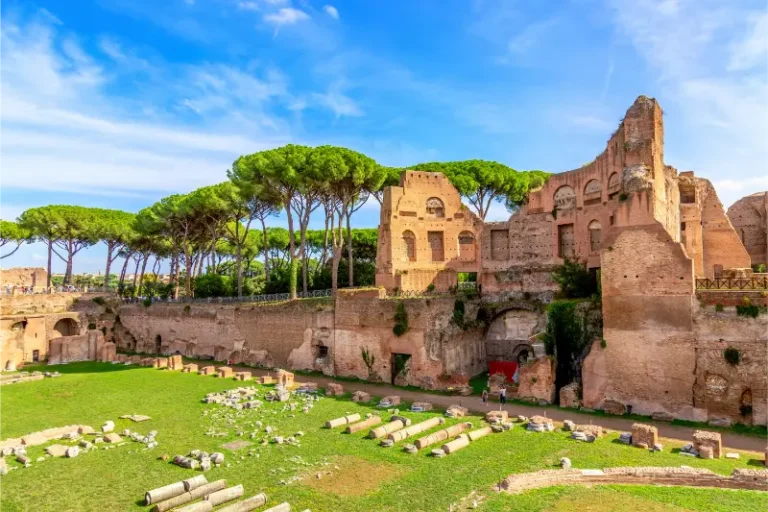
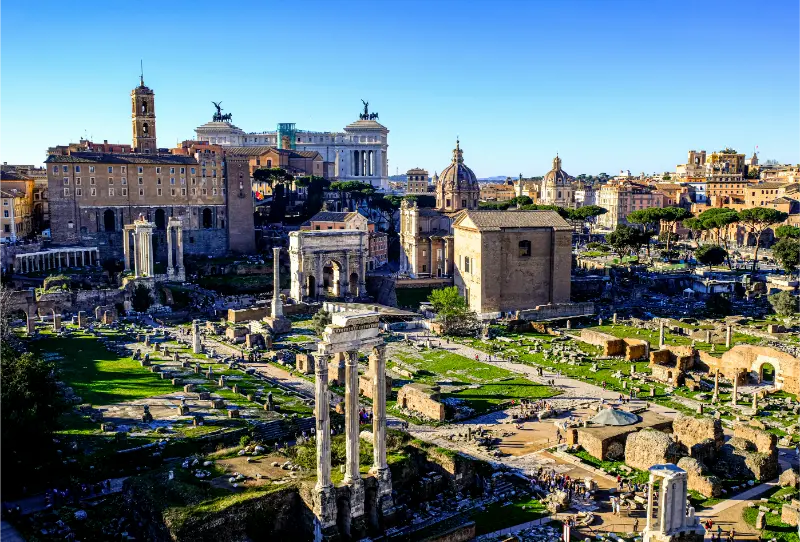
Santa Francesca Romana rises in one of the most extraordinary locations in Rome, between the Roman Forum, Palatine Hill and the road toward the Colosseum. Many visitors pass nearby without entering, yet the church contains a medieval apse mosaic, a Romanesque bell tower, a very old Marian icon and a Baroque confession associated with Bernini.
Its identity is layered. The church was historically known as Santa Maria Nova and later became closely associated with Saint Frances of Rome. The building therefore links ancient topography, medieval worship, Benedictine life and early-modern devotion in a single stop.
| Planning point | Useful detail |
|---|---|
| Location | Piazza di Santa Francesca Romana, 4, beside the Roman Forum and Palatine archaeological area |
| Access | This is an active Benedictine church. Turismo Roma publishes liturgical information but warns that schedules may change; tourist access should always yield to services and community use. |
| Suggested time | 45–70 minutes |
| Best for | Medieval mosaics, early Marian art, Roman Forum context and visitors who enjoy historic churches beside archaeological sites |
Why this place is worth adding to your Rome itinerary
Santa Francesca Romana is most rewarding when it fits the geography of your day. Rome becomes tiring when every attraction requires a cross-city transfer, but this stop sits within a cluster of places that share history, streets and landscape. That makes it useful both for first-time visitors who want a richer route and repeat visitors looking beyond the most photographed monuments.
The strongest reason to visit is context. Major Roman sights can sometimes feel isolated when they are seen only through ticket lines and headline artworks. Smaller churches, archaeological fragments, fountains and parks reveal how the city actually developed: buildings were rebuilt, materials were reused, neighborhoods changed function and older structures remained embedded in everyday life.
History and context
The church developed on the edge of the ancient Forum area and was known in the Middle Ages as Santa Maria Nova. Its position reflects the gradual Christian reuse and transformation of the monumental center after antiquity.
The Romanesque bell tower and twelfth-century apse mosaic belong to the medieval phase that still defines the church visually. Later interventions altered the façade and interior but did not erase those earlier landmarks.
The dedication to Saint Frances of Rome reflects the strong local devotion to the fifteenth-century saint, who became associated with charitable work and religious life in the city. The Benedictine Olivetan community has cared for the church for centuries, preserving its active religious character.
The visible monument therefore belongs to more than one period. That is typical of Rome and worth embracing. Instead of searching for a single ‘original’ appearance, notice what each phase added and why later communities chose to preserve, alter or reinterpret what came before.
What to see
The twelfth-century apse mosaic
The apse mosaic shows the Virgin and Child with saints against a gold ground. Its calm, frontal language is very different from the movement of Baroque Rome and helps visitors recognize how much medieval art survives around the Forum.
Stand in the central nave and give your eyes time to adjust. The gold mosaic often becomes clearer after a few minutes indoors, especially if you arrive from strong sunlight outside.
The ancient Marian icon
The sacristy preserves an important icon traditionally connected with Santa Maria Antiqua. The image, often called the Madonna Glycophilousa or Madonna of Consolation, represents a much earlier devotional layer than the visible Baroque furnishings.
Because access to sacristy spaces can depend on staff and services, do not assume the icon is always available exactly as a museum object would be. Ask respectfully if you are unsure.
The Romanesque bell tower and Forum setting
The tall Romanesque campanile is one of the church’s most recognizable features and creates a striking vertical marker above the archaeological landscape. From outside, the juxtaposition of medieval brickwork with ancient ruins is one of the best visual summaries of Rome’s layered history.
Walk a short distance around the exterior rather than photographing only the façade. The relationship with the Forum and Palatine is essential to understanding why the church feels different from an isolated basilica in a later neighborhood.
The confession and Baroque additions
The interior also contains later works, including the confession associated with Bernini and a coffered ceiling. These additions show how the church continued to attract patronage long after its medieval rebuilding.
Compare the medieval apse with the Baroque elements instead of deciding which period is more authentic. Roman churches often survive precisely because each generation adapted them to new devotional and artistic needs.
How to plan your visit
Because Santa Francesca Romana is an active religious or cultural site rather than a purpose-built tourist attraction, access can change for services, maintenance, ceremonies and special events. Check the official source shortly before visiting and avoid placing an inflexible timed reservation immediately afterward.
Dress and behave for the setting. In active churches, shoulders and knees should be covered, hats normally removed and conversations kept quiet. Photography rules can change from chapel to chapel, so use a silent camera and avoid flash unless signs or staff clearly permit it.
A short amount of preparation improves the visit enormously. Read the basic historical sequence before entering, then choose two or three details to look for rather than trying to memorize every artist and date. Rome’s layered buildings are easier to understand when you compare periods instead of treating the interior as a checklist.
For most travelers, 45–70 minutes is a realistic amount of time. The goal is not to stretch the visit artificially but to leave enough margin to look closely, deal with a temporary closure or simply sit for a few minutes without watching the clock.
Getting there and moving around
The location is Piazza di Santa Francesca Romana, 4, beside the Roman Forum and Palatine archaeological area. In central Rome, walking is often the most useful final connection because buses can be affected by traffic and street diversions. If you use public transport, check the current route on the day rather than relying on an old screenshot.

If the doors are closed when you arrive, do not wait indefinitely unless you have confirmed a reopening time. Use the nearby itinerary below and return later if practical. This flexible approach is far less frustrating than building a full day around the assumption that every active church will operate like a museum.
A practical nearby itinerary
Visit Santa Francesca Romana before or after the Roman Forum and Palatine, then continue toward the Colosseum or the Celian Hill. Avoid scheduling the church during the tightest part of a timed archaeological reservation.
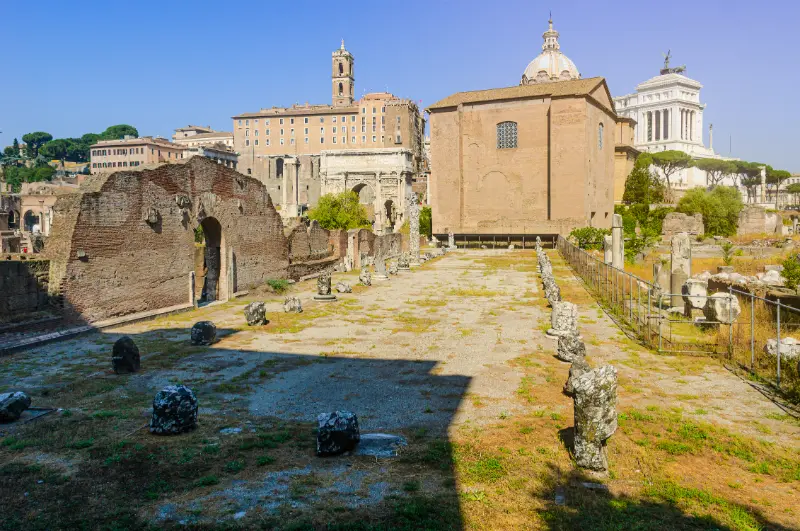
Useful MyRomeTrip guides for the same area are Roman Forum, Colosseum and Palatine, Celio district and Parco Archeologico del Celio. Keeping these stops together reduces transport time and makes the historical relationships much easier to understand.
Practical tips before you go
- Check current access on the official website or municipal tourism page shortly before leaving.
- Respect worship and private prayer; sightseeing should stop during services unless visitors are explicitly invited to remain.
- Wear comfortable shoes: even central Rome involves cobblestones, slopes, stairs and uneven surfaces.
- Carry water in warm weather and avoid scheduling the most exposed outdoor walking at midday in summer.
- Keep valuables secure in crowded transport and around major nearby attractions.
- Use internal links and an offline map to keep the day geographically compact rather than crossing Rome repeatedly.
- Leave a small buffer before your next timed ticket; ceremonies, queues, traffic and temporary closures are normal parts of a Rome itinerary.
For the latest access information, use the official or municipal visitor information. External opening times are the part of a Rome guide most likely to change, so verifying them near your travel date is more reliable than relying on a timetable copied far in advance.
Where to stay for this part of Rome
You do not need to choose a hotel beside every attraction, but location matters if you prefer walking. For a first trip, a central base that reduces daily transfers is usually more valuable than saving a small amount on a room far outside the areas you plan to explore. Repeat visitors can be more adventurous and choose a neighborhood that matches evening plans, food preferences or transport needs.
Before booking, open the property on a map and test the real walking route to the transport stop or district you expect to use. Rome has hills, rivers, railway lines and large archaeological zones that can make two places look closer on a map than they feel on foot.
Who will enjoy this stop most?
This stop is especially good for travelers interested in medieval mosaics, early marian art, roman forum context and visitors who enjoy historic churches beside archaeological sites. It is also useful for visitors who have already seen Rome’s essential monuments and want places where history can be read without the pressure of a major-ticket attraction.
First-time visitors with only one or two days should still protect time for the Colosseum, Roman Forum, Pantheon, Trevi area and Vatican according to their priorities. The better strategy is to add this place when it lies naturally on the route rather than replacing a must-see solely for the sake of finding something ‘hidden’.

Frequently asked questions
Is Santa Francesca Romana inside the Roman Forum ticketed area?
Its setting is directly beside the archaeological zone, but church access follows its own arrangements. Follow current signs and approach routes on the day.
What should I not miss?
The apse mosaic, the Romanesque bell tower, the ancient Marian icon when accessible and the layered relationship between the church and the Forum.
How long does a visit take?
About 45 to 70 minutes is usually enough for a careful look without rushing.
Is the church still active?
Yes. It is a functioning religious site, so liturgies and community needs can affect tourist access.
Final advice
Santa Francesca Romana rewards curiosity more than speed. Give the main historical layer a few minutes of attention, then look for the later additions that changed how the place was used. That habit—reading Rome as a sequence rather than a single period—is one of the best ways to make lesser-known sites memorable.
Keep the rest of the day simple. One strong nearby cluster, a relaxed meal and enough time to walk between places usually creates a better Rome experience than stacking attractions from opposite sides of the city. Check current access, arrive with context and leave room for the unexpected discoveries that make Rome worth exploring on foot.