Rome for Repeat Visitors: 25 Ideas Beyond the Famous First-Trip Sights
A second or third trip to Rome can be more satisfying than the first because the pressure to “complete” the famous sights disappears. Once you have seen the Colosseum, Vatican Museums, Trevi Fountain and Pantheon, the city opens into smaller museums, quieter churches, residential districts, archaeological layers and day trips that are difficult to justify on a rushed first visit.
The best repeat-visitor strategy is not simply to search for “hidden gems.” It is to choose a new theme or neighborhood and go deeper. Our hidden gems guide is a starting point; this article focuses on building a full return trip that feels different from your first.
Why Rome works so well for repeat visitors
Repeat visits allow you to slow down and use smaller opening windows. A museum that is hard to fit into a three-day itinerary becomes a natural anchor when you are no longer racing between headline monuments.
You can also stay outside the most obvious areas. Testaccio, Ostiense, Monteverde, Flaminio or Nomentano give you a different daily rhythm and make restaurants, parks and local transport part of the travel experience.
The biggest advantage is freedom to revisit one famous place selectively. Returning to the Pantheon at sunrise or the Forum with a specialist guide can be more rewarding than avoiding all major sights simply because you have been there once.
| Planning question | Best approach |
|---|---|
| Best strategy | Choose one theme and one new neighborhood |
| Best smaller museums | Palazzo Altemps, Centrale Montemartini, Barracco or Corsini |
| Best underground layer | Vicus Caprarius, Domus Romane or catacombs |
| Best modern contrast | EUR, Flaminio or Coppedè |
| Best day-trip upgrade | Tuscia, Castelli Romani or a lake town |
Ideas for a second or third Rome trip
Centrale Montemartini
Ancient sculpture displayed inside a former power station creates one of Rome’s strongest museum contrasts. The collection is substantial enough to justify the trip, while the Ostiense location lets you build a wider day around industrial history and contemporary street life. For deeper planning, see our centrale montemartini guide.
Palazzo Altemps
This branch of the National Roman Museum rewards visitors who already know Rome’s blockbuster collections. Ancient sculpture appears within a Renaissance palace, creating a layered environment where collecting history matters as much as individual objects. For deeper planning, see our palazzo altemps guide.
Vicus Caprarius
The underground site near Trevi reveals water infrastructure and buried urban layers beneath an area many visitors think they already know. It works especially well on a repeat trip because you can revisit Trevi with a completely different focus. For deeper planning, see our vicus caprarius guide.
Quartiere Coppedè
Coppedè is small, strange and visually dense. It does not need to compete with the Colosseum for importance; its value is showing an early twentieth-century Rome that first-time itineraries usually ignore. Pair it with Nomentano or Villa Torlonia. For deeper planning, see our quartiere coppedè guide.
Ostiense
Ostiense combines industrial architecture, street art, food and museums, offering a more contemporary urban day than the center. It is particularly useful for repeat visitors who want Rome to feel like a modern city rather than a sequence of historic monuments. For deeper planning, see our ostiense guide.
Villa Doria Pamphilj
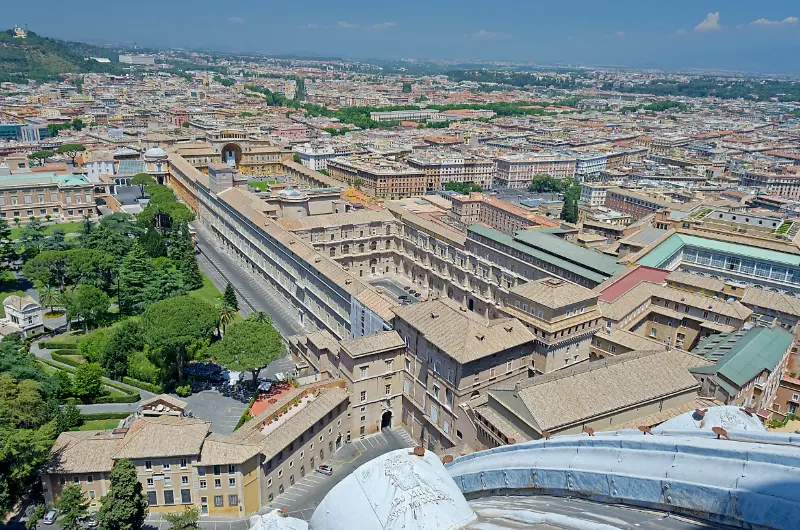
A return visit gives you permission to spend hours in a park. Villa Doria Pamphilj is large enough for a genuine walk or picnic and can be combined with Monteverde or the Janiculum rather than treated as filler between monuments. For deeper planning, see our villa doria pamphilj guide.
Catacombs beyond the standard route
Different catacomb complexes emphasize different histories and artistic remains. A repeat visitor can choose one carefully instead of defaulting to the best-known option, then combine it with the Appian Way or outer basilicas. For deeper planning, see our catacombs beyond the standard route guide.
Tuscia day trip
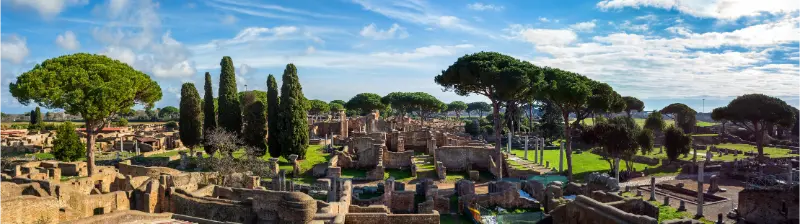
Caprarola, Viterbo, Bomarzo, Civita di Bagnoregio and other destinations north of Rome offer a completely different landscape of palaces, medieval towns and gardens. They are excellent when you have already used Rome as a base for Tivoli or Ostia Antica. For deeper planning, see our tuscia day trip guide.
How to build a satisfying day
Build days around neighborhoods instead of attractions. A Flaminio day can include MAXXI, architecture and riverside walking; an Ostiense day can combine Centrale Montemartini, street art and Testaccio.
Revisit one famous place at a radically different time. Sunrise at Trevi, evening around the Pantheon or a winter visit to the Forum can feel unlike your first crowded encounter.
Give smaller museums enough time. Repeat travel loses its advantage if you still rush through three collections before lunch. One museum plus a long neighborhood walk often creates a more memorable day.
Best neighborhoods to use as a base
Choose accommodation in an area you did not use last time. Testaccio for food, Prati for order and Vatican access, Monteverde for parks, Flaminio for culture or Nomentano for residential Rome can change the entire rhythm of the trip.
Do not move too far out simply for novelty if it creates daily transport fatigue. A new neighborhood should still connect sensibly with your planned theme.
Food, coffee and breaks
Return trips are ideal for deeper food exploration. Instead of repeating carbonara in the center, visit markets, bakeries, wine bars and districts where food is part of daily life.
Use our Roman pasta guide and wine guide to choose a narrower theme. Culinary depth is one of the easiest ways to make a repeat trip distinct.
Transport, walking and pacing
Repeat visitors can use public transport more confidently, but do not overcomplicate the itinerary simply because you know the system. Group outer districts by line or geography.
Consider regional rail for day trips that would have felt too ambitious on the first visit. Rome becomes a stronger base once you are comfortable navigating Termini, Tiburtina and local stations.
Budget and reservations
A repeat trip can be cheaper because fewer expensive headline tickets are essential. Spend selectively on specialist tours, small museums or a better hotel in a neighborhood you want to experience.
If you revisit a major attraction, pay for a different layer—underground access, specialist guide or museum section—rather than buying exactly the same experience again.
Best time of year for this kind of trip
Repeat visitors have the luxury of choosing Rome for atmosphere rather than perfect weather. November, January and February can be excellent for museums, churches and restaurants, while late spring is ideal for villas and gardens.
Match the season to the theme. Summer for evening neighborhoods, winter for art, spring for parks, autumn for food and long walking days.
How to choose a theme for a return trip
A useful way to design a return visit is to choose one question that your first trip did not answer. You might focus on early Christian Rome, twentieth-century architecture, aristocratic palace collections, food markets, the Appian Way, or the relationship between Rome and the surrounding Lazio countryside. Once the theme is clear, select one anchor each day and let smaller stops grow around it. This prevents a second trip from becoming a random pile of “lesser-known” places.
Keep one familiar ritual too. Return to a favorite piazza for morning coffee, repeat a walk you loved, or revisit one museum room rather than an entire complex. Familiarity creates contrast: you notice what changed, what you remember incorrectly and how differently the city feels in another season or stage of life. A repeat visit is strongest when novelty and recognition work together.
A three-day repeat-visitor plan
- Day 1 – Modern contrast: Flaminio/MAXXI or Coppedè/Villa Torlonia, then a neighborhood dinner.
- Day 2 – Layers below the center: Vicus Caprarius, Palazzo Altemps or another smaller museum, then a slow walk through familiar central streets.
- Day 3 – Outside the center: Ostiense/Centrale Montemartini or a dedicated day trip into Tuscia or the Castelli Romani.
Common mistakes to avoid
- Avoiding every famous sight simply because you have seen it once.
- Collecting “hidden gems” without a coherent route.
- Staying in the same neighborhood out of habit.
- Rushing smaller museums as if they were checklist attractions.
- Choosing remote places that create more transport than experience.
- Forgetting to check current opening days for less-visited sites.
The goal of a repeat visit is not obscurity for its own sake. Choose experiences that reveal a new Rome: different periods, neighborhoods, landscapes or daily rhythms. Famous and lesser-known places can coexist if they serve that theme.
Frequently asked questions
What should I do on a second trip to Rome?
Pick one or two neighborhoods you skipped, add smaller museums or underground sites, and consider a day trip beyond the most obvious choices.
Should I revisit the Colosseum or Vatican?
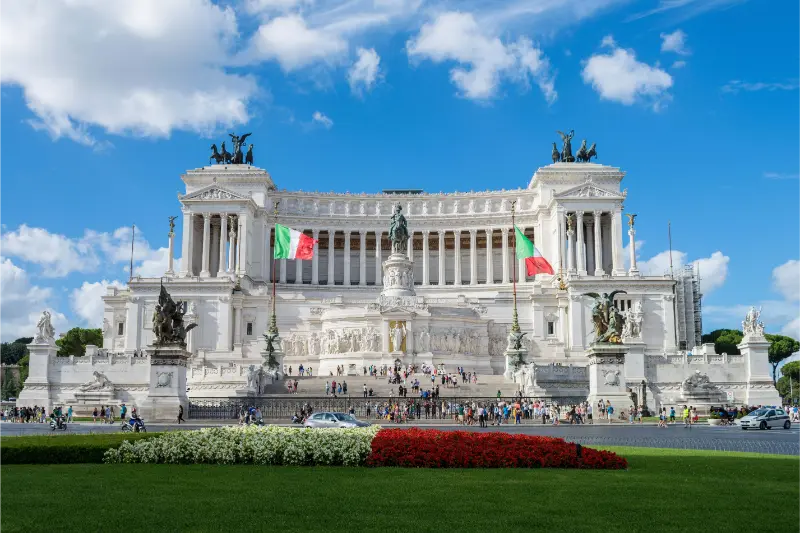
Only if a different tour, season or specific collection genuinely interests you. There is no obligation to repeat headline sights.
Where should repeat visitors stay?
Testaccio, Monteverde, Flaminio, Nomentano, Prati or Ostiense can all create a different experience depending on your interests.
Is winter good for a return visit?
Yes. Lower heat, strong museum days and quieter secondary sites can make winter particularly rewarding for travelers who have already seen the essentials.
Final advice
A return to Rome should not be a weaker version of the first trip. Change the theme, change the neighborhood and give smaller places the time they deserve. The city is deep enough that familiarity becomes an advantage rather than a reason to move on.