Rome for History Lovers: Ancient Sites, Museums and the Best Itinerary
Rome is one of the few cities where history is not confined to a museum district. Ancient paving stones sit below modern traffic, medieval bell towers rise beside imperial ruins, Renaissance palaces reuse Roman columns, and Baroque churches hide art commissioned by families who reshaped entire neighborhoods. For a traveler who cares about history, the challenge is not finding material. It is deciding how to connect almost three millennia of stories without turning the trip into a marathon of disconnected monuments.
The most rewarding strategy is to organize the city by historical layers and neighborhoods. Start with the political and ceremonial center of ancient Rome, add one or two museums that explain what you are seeing, and then use churches, streets and later palaces to understand how the city kept rebuilding itself. Our Rome travel guide is useful for general logistics; this article is specifically about creating a trip where historical context is the main reason for going.
Why Rome works so well for history lovers
Rome rewards travelers who like to see continuity. The Forum is not simply a collection of ruins: it explains the institutions, religious rituals and public spaces that shaped the Roman world. A short walk away, medieval churches preserve reused ancient materials, while Renaissance and Baroque interventions show how later popes and aristocratic families reinterpreted the same city.
A second advantage is that many of the strongest historical experiences are close enough to combine on foot. You can move from the Colosseum to the Palatine, Roman Forum, Capitoline Hill and Imperial Forums without crossing the city. On another day, the Pantheon, Piazza Navona and Campo Marzio reveal how ancient structures were absorbed into the modern street plan.
The key is depth rather than quantity. A history-focused visitor will usually learn more from three well-chosen sites with time to read, look and compare than from eight rushed attractions. Build pauses into the day so you can process what you have seen and notice details outside the ticketed monuments.
| Planning question | Best approach |
|---|---|
| Best first area | Colosseum, Roman Forum, Palatine Hill and Capitoline Hill |
| Best museum pairing | Capitoline Museums or Palazzo Massimo |
| Best underground layer | San Clemente, Vicus Caprarius or the Case Romane del Celio |
| Best day trip | Ostia Antica or Tivoli |
| Ideal length | Four to seven days for a history-first trip |
Essential places for history lovers
Colosseum
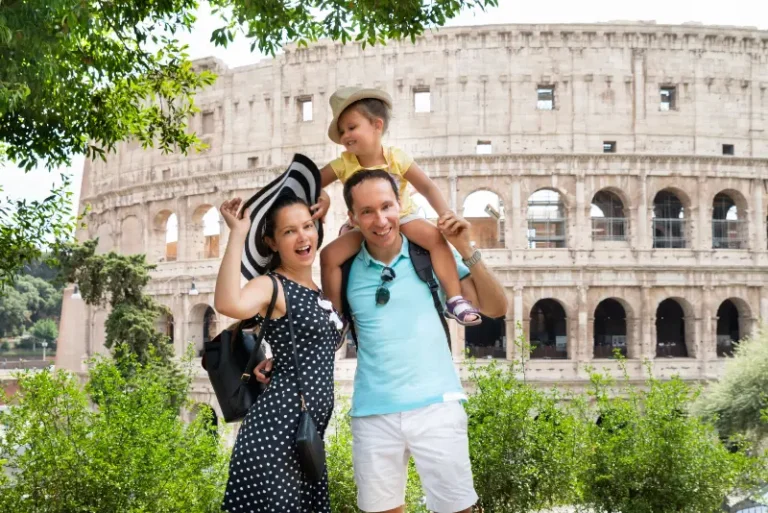
The amphitheater makes most sense when you treat it as one piece of a larger imperial landscape rather than as an isolated icon. Look at circulation, seating hierarchy, access routes and the relationship with the valley around it. A timed visit followed by the Forum creates a strong chronological and spatial introduction to imperial Rome. For deeper planning, see our colosseum guide.
Roman Forum
The Forum is the place to slow down. Temples, basilicas, triumphal arches and the Curia can feel confusing without a map or a little advance reading, but together they reveal how politics, religion, law and public memory occupied the same compact space. Give the area enough time to look back from higher ground and reconstruct the valley mentally. For deeper planning, see our roman forum guide.
Palatine Hill
The Palatine adds the imperial and domestic dimension. Instead of only photographing views, look for how palaces expanded over earlier houses and how the hill controlled sightlines toward the Forum and Circus Maximus. The contrast between ceremonial architecture and quieter archaeological zones makes it one of Rome’s best places to understand how power occupied space. For deeper planning, see our palatine hill guide.
Capitoline Museums
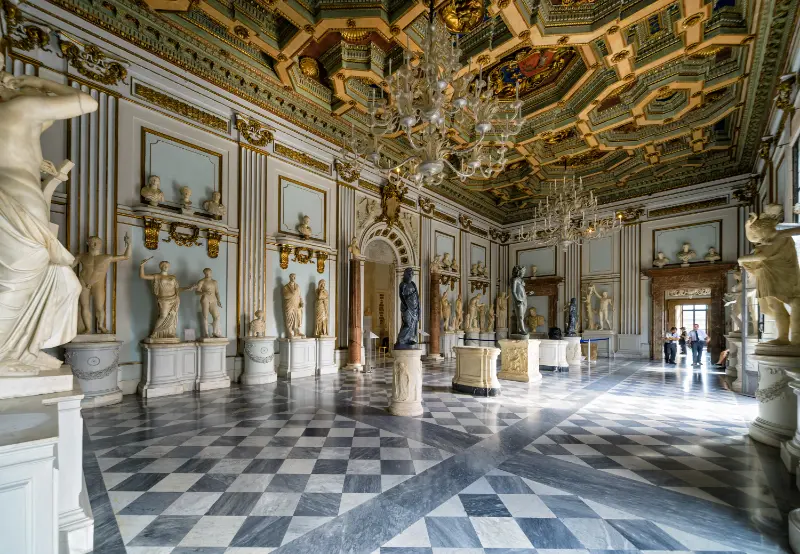
For history-minded visitors, the Capitoline Museums provide objects that give faces and material detail to people and institutions encountered in the ruins. Portrait sculpture, inscriptions and ancient bronzes help bridge the gap between monumental architecture and everyday political culture. The museum also offers useful views over the Forum that reinforce the geography you have just walked. For deeper planning, see our capitoline museums guide.
Pantheon
The Pantheon is a masterclass in continuity. Its Roman structure survived because the building remained in use, and later layers turned it into a church and national monument. Study the porch, rotunda, dome and oculus as a complete engineering idea, then compare the ancient fabric with the later tombs and urban setting around Piazza della Rotonda. For deeper planning, see our pantheon guide.
San Clemente
San Clemente is especially valuable because the building lets you descend through physical layers of Rome. The present basilica sits above an earlier church and Roman structures, so the visit makes the city’s repeated rebuilding unusually easy to understand. It is a good antidote to thinking of Roman, medieval and Christian history as separate subjects. For deeper planning, see our san clemente guide.
Baths of Caracalla
The Baths of Caracalla reveal the scale of imperial public infrastructure and the social ambition of Roman bathing complexes. Even without their original marble surfaces and decoration, the surviving walls make it possible to imagine huge vaulted spaces, exercise areas and communal facilities. Pairing the ruins with museum collections helps restore some of the color and luxury lost from the site. For deeper planning, see our baths of caracalla guide.
Ostia Antica
Ostia Antica is the best complement to central Rome for travelers who want urban history rather than only monuments. Streets, apartment blocks, baths, warehouses, temples and shops show a functioning port city on a more readable scale. A full or half day there gives context to trade, housing and ordinary life that central Rome’s ceremonial sites cannot provide. For deeper planning, see our ostia antica guide.
How to build a satisfying day
Anchor each day around one historical question. One day might focus on imperial power, another on the transformation from pagan to Christian Rome, and another on Renaissance and Baroque reuse of the ancient city. This approach makes the trip feel coherent and helps you remember places as part of a story rather than as a list.
Do not schedule two enormous archaeological areas back to back unless you know you enjoy long site visits. A better rhythm is a major outdoor site in the morning, lunch and a seated break, then a museum or church in the afternoon. Evening is ideal for walking through spaces such as Piazza Navona or the Pantheon area, where later city life grew directly over ancient foundations.
Carry a small notebook or save a few maps offline. Rome’s history becomes much easier to follow when you can connect ancient names with modern streets. It is also worth revisiting an area after dark: lighting and reduced visual clutter often make the shape of a monument or piazza clearer than it was at midday.
Best neighborhoods to use as a base
Monti is an excellent base if your priority is ancient Rome: the Colosseum, Forum and Imperial Forums are close, while Termini is still reachable for day trips. It is central without feeling entirely like a museum district, and evenings offer enough restaurants and small streets to balance heavy sightseeing.
The historic center around the Pantheon and Campo Marzio works well for travelers more interested in the overlap between ancient, Renaissance and Baroque Rome. Prati is less atmospheric historically but practical for Vatican-focused days, while the Aventine and Celio offer quieter bases near major archaeological zones.
Food, coffee and breaks
History-focused days can become mentally tiring, so use meals as real breaks rather than another item to optimize. A simple trattoria lunch in Monti, Testaccio or the historic center gives you time to reset before another museum. Our Roman food guide explains the classic dishes worth looking for.
Coffee bars are useful between churches and museums because service is fast and you can stop without committing to a full meal. Avoid planning a famous restaurant so far from your afternoon site that lunch creates a cross-city transfer. On history-heavy days, geographical convenience is usually more valuable than chasing a single viral address.
Transport, walking and pacing
Walk within historical clusters and use metro or buses to move between them. Ancient Rome, the Capitoline, Pantheon and much of the center are best understood on foot, because street level reveals how old routes and topography still shape movement. For longer hops, see our Rome transport guide.
Cobblestones, uneven archaeological surfaces and staircases can make distances feel longer than the map suggests. Wear supportive shoes and leave margin around timed entries. If mobility is limited, plan accessible viewpoints and museum sections in advance rather than assuming every ruin can be crossed in the same way.
Budget and reservations
History does not have to mean buying a ticket at every stop. Churches, piazzas, exterior viewpoints and many urban archaeological traces can be combined with a smaller number of paid anchor sites. Spend on the places where admission unlocks something you cannot understand from outside, then fill the rest of the route with free context.
Reserve capacity-controlled attractions before arrival, but avoid buying unnecessary bundles that repeat places already covered by another ticket. Compare official inclusions carefully, especially for the Colosseum complex and museum passes. The value of a pass depends on your actual route, not on how many attractions appear in the marketing list.
Best time of year for this kind of trip
Spring and autumn are excellent for long archaeological walks because daylight is generous without the most intense summer heat. Winter can be outstanding for museum-heavy history trips: days are shorter, but outdoor ruins are often more comfortable and secondary sites can feel calmer.
In July and August, put exposed sites first thing in the morning and move churches or museums into the hottest hours. Whatever the month, check current opening rules before leaving your hotel because restoration work, religious services and special events can affect access.
A three-day history-focused plan
- Day 1 – Imperial Rome: Colosseum, Roman Forum, Palatine Hill and sunset from the Capitoline area.
- Day 2 – Ancient city to Baroque center: Pantheon, Campo Marzio, Piazza Navona, Vicus Caprarius or another underground site, then an evening walk.
- Day 3 – Collections and everyday life: Capitoline Museums or Palazzo Massimo in the morning, followed by San Clemente, the Celio or the Baths of Caracalla.
- Extra day: Ostia Antica for streets, housing, commerce and a different scale of Roman urban life.
Common mistakes to avoid
- Trying to see every ruin instead of understanding a few key sites.
- Visiting the Forum without a map, guidebook or basic orientation.
- Ignoring medieval and early Christian layers because “Roman history” sounds more important.
- Scheduling major outdoor archaeological areas during the hottest afternoon hours in summer.
- Forgetting that many churches close or reduce access during services.
- Crossing the city repeatedly instead of grouping sites by historical area.
The biggest mistake is treating history as a sequence of famous names. Rome becomes more interesting when you compare spaces: public versus private, ancient versus reused, ceremonial versus everyday. Let one site explain another. That turns a collection of ruins into an understandable city.
Frequently asked questions
How many days should a history lover spend in Rome?
Four days is a strong minimum if history is your main interest; five to seven days lets you add museums, underground sites and at least one archaeological day trip without rushing.
Is a guided tour necessary?
Not everywhere, but a good guide can be extremely valuable in the Roman Forum, underground sites and specialized museums where the remains are difficult to interpret without context.
What is the best day trip for ancient history?
Ostia Antica is usually the most complementary choice because it shows streets, housing and commercial spaces on a scale that is easier to read than central Rome.
Should I visit both the Capitoline Museums and Palazzo Massimo?
Yes if you have time and enjoy ancient art. They overlap in period but offer different strengths, so serious history and archaeology travelers can easily justify both.
Final advice
Give Rome enough time to become legible. Start with a few anchor monuments, then use museums, churches, streets and quieter ruins to connect the periods between them. The city’s greatest historical lesson is continuity: every generation built over, beside and sometimes inside what came before.