Rome in 4 Days: The Best Itinerary for a First Visit
Four days is one of the best lengths for a first trip to Rome. Three days can cover the essential monuments, but a fourth day changes the pace: you can add a major museum, spend time in a real neighborhood, take longer meals and still avoid turning the city into a checklist. The key is to group sights geographically and reserve the attractions that require timed entry.
This itinerary is designed for first-time visitors who want the Colosseum, Vatican, historic center and major piazzas while also seeing a little beyond the classic postcard route. It assumes four full sightseeing days. If your arrival or departure cuts into a day, use our shorter Rome in 3 days itinerary as the core and treat the fourth-day ideas as optional.
Before you arrive: book the right things
Reserve the Colosseum and Vatican Museums before travel, especially in busy periods. Galleria Borghese also uses controlled entry and should be booked if it is a priority. The Pantheon is ticketed, and Trevi Fountain now has a €2 system for tourists and non-residents who want access to the inner controlled perimeter.
Do not buy every possible pass before you know your route. Price the attractions you genuinely intend to visit, compare them with pass benefits, and remember that many of Rome’s best experiences—churches, squares, viewpoints and neighborhood walks—remain free.
Day 1: Colosseum, Roman Forum, Palatine Hill and Monti
Morning: Colosseum
Book a morning entry if possible. Arrive early enough to pass security without stress and spend roughly 75–90 minutes inside for a standard first visit. If your ticket includes special areas, allow longer. The amphitheater is easier to understand when you focus on how spectators, performers and animals moved through the building rather than trying to memorize every date.
Late morning: Roman Forum and Palatine Hill
Continue into the Forum and Palatine area. Wear proper shoes and carry water because surfaces are uneven and shade can be limited. Allow at least two hours. A reputable audio guide or guided tour adds context to ruins that otherwise look like disconnected fragments.
See our complete Colosseum, Forum and Palatine guide for ticket and route details.

Lunch and afternoon: Monti
Walk into Monti for lunch. Spend the afternoon slowly: Piazza della Madonna dei Monti, Via del Boschetto, San Pietro in Vincoli if open, and perhaps Santa Maria Maggiore. This is deliberately lighter after a demanding archaeological morning.
Evening
Stay in Monti for aperitivo and dinner or walk toward Piazza Venezia for illuminated views of the city center. Do not schedule another major museum on Day 1.
Day 2: Vatican Museums, St. Peter’s Basilica and Castel Sant’Angelo
Early morning: Vatican Museums
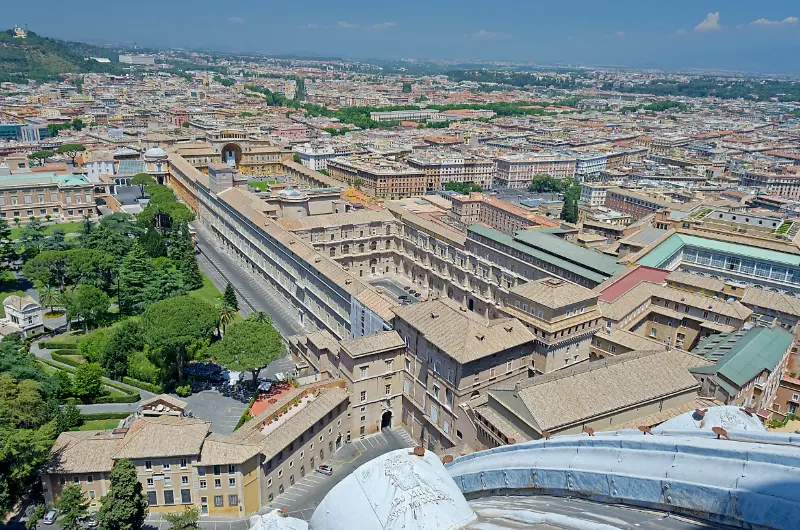
Use an early timed entry and allow roughly three hours for a highlights visit. The Vatican Museums can consume an entire day, but on a four-day first trip you will probably get more from a focused route that includes major classical sculpture, the Gallery of Maps, Raphael Rooms where accessible and the Sistine Chapel.
Our Vatican guide explains the practical differences between the museums and basilica.
Lunch: Prati
Eat in Prati rather than directly beside the busiest Vatican approaches. The grid of streets north of the walls gives you more choice and a calmer break before the afternoon.
Afternoon: St. Peter’s Basilica
Walk to St. Peter’s Square and pass security for the basilica. Entry to the basilica is generally free, while the dome and special experiences have separate arrangements. Religious events can affect access, so keep the afternoon flexible.
Late afternoon: Castel Sant’Angelo
If you still have energy, visit Castel Sant’Angelo and finish on the terrace. In 2026 the regular full ticket is €18 and the standard schedule is Tuesday–Sunday 09:00–19:30 under current Ministry information. If that feels like too much museum time, simply cross Ponte Sant’Angelo and save the castle for another trip.
Day 3: Spanish Steps, Trevi, Pantheon, Piazza Navona and Jewish Ghetto
Early morning: Spanish Steps
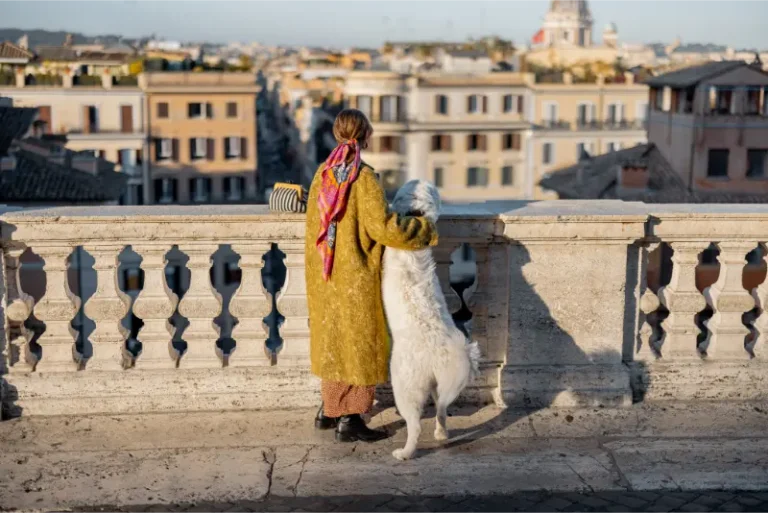
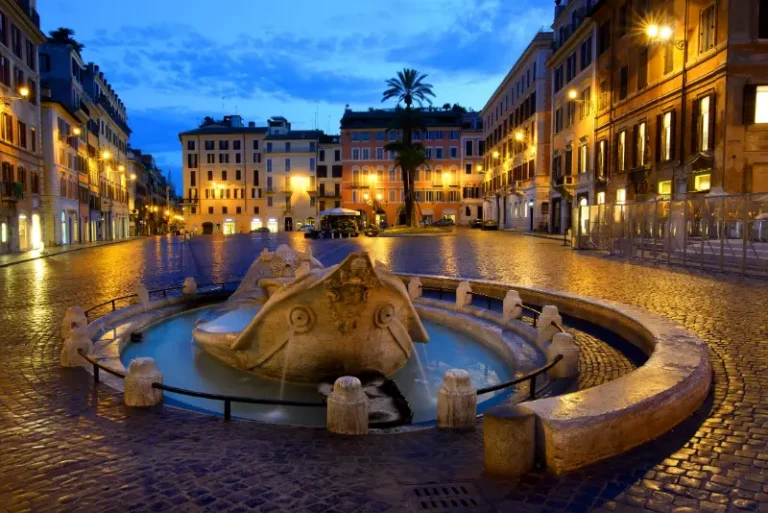
Start at the Spanish Steps before the biggest crowds. Climb toward Trinità dei Monti, then walk back through the center toward Trevi. Remember that sitting on the steps is restricted; use the square and upper terraces as viewing points.
Morning: Trevi Fountain
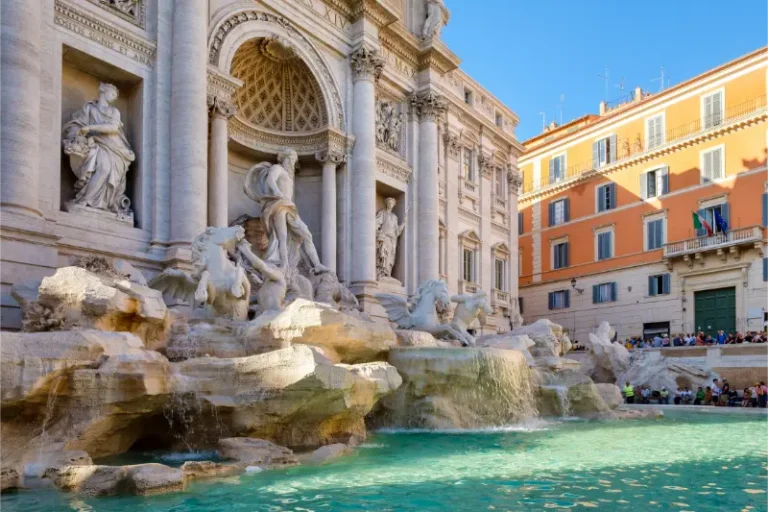
Continue to Trevi Fountain. In 2026 tourists and non-residents pay €2 to enter the closest controlled perimeter during published access hours, while the fountain remains visible from the surrounding public area. Early morning is still best for wide photographs.
Late morning: Pantheon
Walk to the Pantheon and allow 30–45 minutes inside. The full ticket is €7 from 1 July 2026 under the current official system. Spend time looking at the dome, oculus, Raphael’s tomb and the geometric floor rather than treating it as a quick indoor stop.
Lunch and early afternoon: Piazza Navona
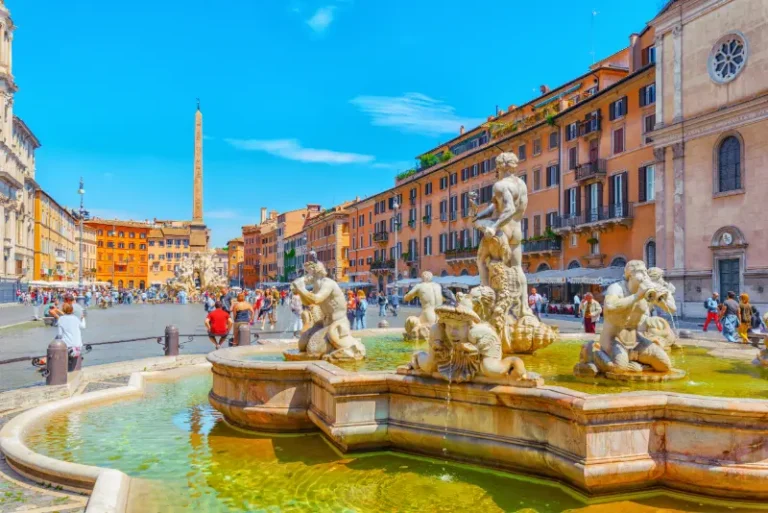
Continue to Piazza Navona. Circle Bernini’s Fountain of the Four Rivers, step into Sant’Agnese in Agone if open, and choose lunch in the surrounding streets rather than automatically sitting at the first terrace on the square.
Afternoon: Campo de’ Fiori and Jewish Ghetto
Walk through Campo de’ Fiori and Piazza Farnese, then continue to the Jewish Ghetto. See the Portico d’Ottavia, Great Synagogue exterior and Piazza Mattei. If the Jewish Museum is a priority, plan around its seasonal hours and Saturday/Jewish-holiday closures.
Evening
Finish with dinner in the Jewish quarter, Trastevere or the historic center. This is the best night for an unstructured walk because many major monuments are close together and beautifully illuminated.
Day 4: Galleria Borghese, Villa Borghese, Capitoline Museums or a neighborhood choice
Morning: Galleria Borghese
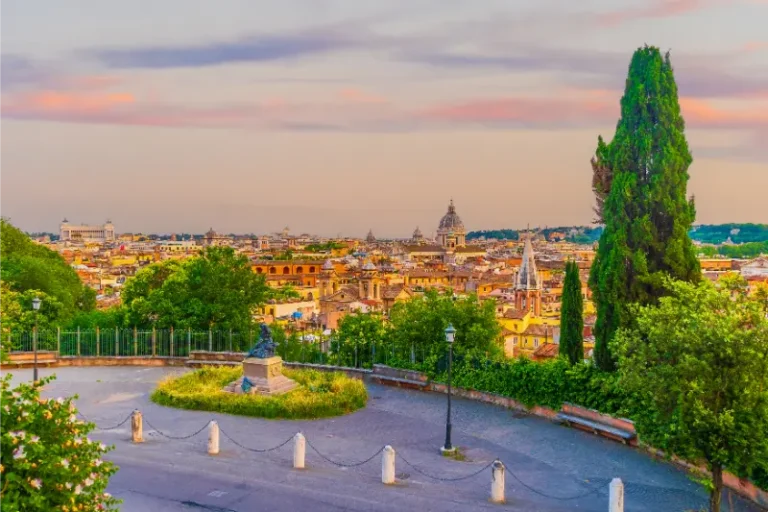
Reserve the Galleria Borghese for the morning if Bernini, Caravaggio and Renaissance/Baroque art are priorities. The timed structure makes the visit easier to control than the Vatican Museums. Afterward, walk through Villa Borghese and reach the Pincio terrace above Piazza del Popolo.
Lunch
Have lunch around Flaminio, the historic center or wherever your afternoon option begins. Day 4 should feel flexible, so avoid locking in too many timed reservations.
Option A: Capitoline Museums
Choose the Capitoline Museums if you want more ancient sculpture and one of the best Forum viewpoints. Allow two to three hours. This option creates a strong historical finale to the trip.
Option B: Testaccio
Choose Testaccio if you want food, market culture and a more local afternoon. This is especially good after three monument-heavy days and gives you a different picture of Rome.
Option C: Appian Way
Choose the Appian Way for archaeology in a greener, more open setting. Cycling or walking Via Appia Antica provides a completely different experience from the dense historic center.
Where to stay for this itinerary
The historic center is the easiest for walking on Day 3, Monti is excellent for Day 1 and Ancient Rome, Prati is convenient for the Vatican, and Trastevere offers strong evening atmosphere. There is no single perfect base; choose according to budget, noise tolerance and how much you value walking versus metro access.
See where to stay in Rome for a neighborhood-by-neighborhood comparison.
How much walking should you expect?
A four-day itinerary like this can easily reach 15,000–25,000 steps per day. Cobblestones and standing time inside museums make the effort greater than the distance suggests. Wear broken-in shoes and use taxis, buses or metro when they genuinely save energy rather than treating high step counts as an achievement.
How to use public transport
Central Rome is best explored on foot, but metro and buses are useful for the Vatican, Termini, Appian Way connections and some cross-city movements. ATAC’s standard BIT ticket is currently €1.50 for 100 minutes under the 2026 fare structure, with specific metro conditions. Read our getting around Rome guide before your first transit day.
What if it rains?
Swap the order rather than cancel the day. Move Galleria Borghese, Capitoline Museums, churches or a long lunch into the wettest hours and save the Forum, Villa Borghese or Appian Way for clearer periods. The Pantheon can actually be memorable in rain because water enters through the oculus and drains through the ancient floor.
What if it is very hot?
In July and August, begin archaeological days early, take a long lunch or hotel break and return outdoors later. Carry water, use Rome’s public drinking fountains where appropriate and choose museums or churches during the hottest period. Trying to maintain a spring-style itinerary in extreme heat is one of the quickest ways to ruin a good trip.

Budget tips for four days
- Book accommodation early, because hotel cost is usually the biggest variable.
- Walk central routes instead of buying transport products you may not use.
- Mix paid icons with free churches, viewpoints and neighborhoods.
- Eat at least one quick lunch from a bakery, market or pizza-by-the-slice shop.
- Check official ticket sites before paying reseller markups for basic admission.
For more, use our Rome on a budget guide.
Four-day itinerary summary
| Day | Main area | Core experiences |
|---|---|---|
| 1 | Ancient Rome + Monti | Colosseum, Forum, Palatine, Monti |
| 2 | Vatican + Tiber | Vatican Museums, St. Peter’s, Castel Sant’Angelo |
| 3 | Historic center | Spanish Steps, Trevi, Pantheon, Piazza Navona, Jewish Ghetto |
| 4 | Art + choice | Galleria Borghese, Villa Borghese, then Capitoline/Testaccio/Appian Way |
Final tip
The fourth day should not simply be ‘more attractions’. Use it to correct the imbalance of the first three days. If you have seen too many museums, go to the Appian Way. If you have walked nonstop, choose a focused gallery and long lunch. If you have stayed only in the tourist center, spend the afternoon in Testaccio or Monti. Four days is enough to see Rome’s icons and still begin to feel the city beyond them.
Should you take a day trip during a four-day first visit?
Usually not. Four days is enough to make Rome feel manageable, but giving one of those days to Florence, Naples or another city turns the schedule tight again. If you strongly prefer archaeology outside the center, Ostia Antica can work; otherwise, save major day trips for a five- or six-day stay. Our day trips from Rome guide is more useful once you have protected at least three full days for the capital itself.
How to adapt the itinerary for families
With children, keep one major reservation per half-day rather than stacking museums. Use Villa Borghese, piazzas and gelato breaks as recovery time, and consider skipping Castel Sant’Angelo or the Capitoline Museums if attention is fading. The goal is not to complete the adult itinerary at a slower speed; it is to create a different rhythm. See our Rome with kids guide for family-specific ideas.
How to adapt it for food lovers
Move one afternoon from museums to Testaccio, plan a market lunch and give dinner more time. Visit the Jewish Ghetto for Roman-Jewish specialties and choose at least one neighborhood meal away from the most famous piazzas. Food-focused travelers often remember the unscheduled meal more clearly than the fifth church, so allow space for that.
How to adapt it for art lovers
Keep Galleria Borghese, add the Capitoline Museums and consider spending longer in the Vatican Museums. To compensate, shorten the neighborhood walks and skip one secondary outdoor sight. Rome’s churches also contain major works by Caravaggio, Bernini and other masters without requiring a full museum visit, making them excellent bridges between sightseeing and art history.