
Rome with a Stroller: Cobblestones, Transport, Attractions and Family Tips
Rome with a stroller is completely possible, but it is easier when you plan for cobblestones, curbs, crowded transport and long museum routes instead of expecting a perfectly step-free city. A compact stroller can be a major advantage for naps and long walking days, yet the wrong route can turn it into extra luggage.
This guide focuses on how to use a stroller intelligently: where it helps, where a carrier may be better, how to choose accommodation and how to build days that work for both adults and small children.
| Situation | Stroller strategy | Backup |
|---|---|---|
| Historic center | Compact stroller + slow pace | Carrier for short stairs |
| Metro/bus | Foldable model | Taxi for difficult transfers |
| Archaeological sites | Check accessible route first | Carrier + shorter visit |
| Parks | Use stroller freely | Let child walk and play |
| Restaurants | Fold when space is tight | Early meal times |
Choose the right stroller for Rome
Rome is not impossible with a stroller, but the city rewards a compact model with sturdy wheels. Tiny travel wheels are convenient on flights yet can struggle on cobblestones, broken pavement and archaeological paths. A lightweight stroller that folds quickly for transport is often a better compromise than a large full-size model that is comfortable but difficult on stairs.
If your child still naps during the day, a reclining seat and decent sun canopy are genuinely useful. In warm months, airflow matters more than extra padding. Avoid hanging heavy bags from the handles because uneven paving can make a stroller tip backward when the child gets out.
Cobblestones, steps and the reality of the historic center
Central Rome includes many smooth stretches, but you will repeatedly encounter sampietrini, curbs, narrow sidewalks and steps. Slow down and treat a stroller day differently from an adult walking itinerary. Routes that look short on a map may take longer because the most direct street is not always the easiest one with wheels.
Whenever possible, use larger streets to move between areas and explore the final few blocks more slowly. Two adults can lift a lightweight stroller over a short staircase, but that should not be your basic transport strategy. If you are traveling alone with a child, prioritize step-free routes even when they add distance.
The metro, buses and trams with a stroller
Public transport accessibility varies by station and vehicle, so do not assume every route will be effortless. Our getting around Rome guide explains the network, and the Rome Metro guide is useful for understanding station choices. Lifts and escalators can be unavailable temporarily, which is why a foldable stroller gives you more options.
On crowded buses, fold the stroller when practical and keep aisles clear. Avoid rush-hour travel if your schedule is flexible. A taxi can be worth the cost for one difficult cross-city transfer, particularly at the end of a long day when a sleeping child and tired parents make multiple changes unrealistic.
Colosseum and archaeological sites
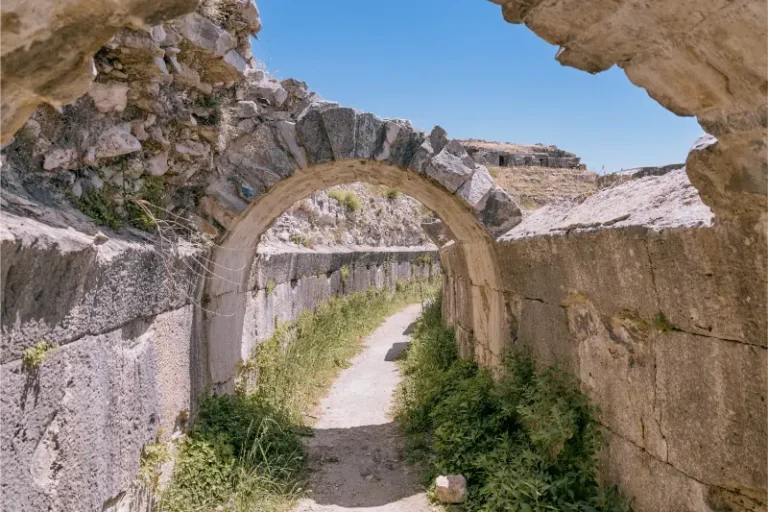
The Colosseum area is manageable only if you accept that ancient sites were not designed for modern wheels. Surfaces around the Roman Forum and Palatine can be uneven, steep or restricted. Check current accessibility information before the visit and decide whether a baby carrier is useful for part of the day.
Do not combine too many archaeological attractions in one stretch. Our Colosseum guide and Roman Forum guide help you understand the scale. One major site followed by a park, long lunch or hotel break usually works better for a small child than an adult-style Ancient Rome marathon.

Vatican Museums and St. Peter’s
Large museums are challenging with a stroller because crowds, elevators, one-way routes and security rules can affect movement. The Vatican Museums can involve long distances inside even when the map seems compact. Confirm current stroller and accessibility procedures on the official site before your visit, especially if you need lifts or an alternative route.
St. Peter’s area also requires patience because security queues can be long. Our Vatican Museums guide and St Peter’s Basilica guide explain the main planning issues. Time the visit around naps and meals rather than expecting a toddler to adapt to an adult timetable.
Best kinds of neighborhoods with a stroller
Wide streets, parks and flatter areas are easier than steep viewpoints or medieval lanes. Prati is practical near the Vatican because of broader pavements and services, while parts of the historic center are convenient because attractions are close together even when paving is rough. Villa Borghese gives families room to move without constant traffic.
If choosing accommodation specifically for stroller travel, compare areas in our where to stay in Rome guide and family-focused options in best family hotels in Rome. A lift, larger room and short walk to useful transport can matter more than a postcard-perfect street.
Parks are not optional breaks
Rome’s parks give children space after churches and museums. Villa Borghese is especially useful because it sits close to major central sights, while Villa Doria Pamphilj offers a much larger green escape. Our parks and gardens guide lists additional choices.
Treat park time as part of the itinerary rather than a reward after sightseeing. A child who can move freely for an hour is often more cooperative during the next indoor visit. Parents also benefit from a quieter period away from traffic and security queues.
Meals with a stroller
Most casual restaurants can accommodate families, but tiny dining rooms and packed terraces may not have much space for a large stroller. Fold it when possible and avoid blocking service routes. Booking an early dinner can reduce stress because restaurants are quieter and children are less tired.
Keep simple snacks and water available for waits, but do not replace every meal with emergency food. Our what to eat in Rome guide offers family-friendly ideas. Pizza al taglio, pasta and gelato make flexible meal stops easier than insisting on a formal restaurant three times a day.
Naps and the midday reset
A stroller nap can save an itinerary, but it should not become the only plan. Rome’s heat, noise and uneven movement may make a child sleep differently from home. If your accommodation is central, a midday room break can be more restorative than pushing through another attraction.
Families staying farther away may prefer a long lunch and park break instead. The key is to schedule less than you think you can do. A successful day with young children may include one major attraction, one neighborhood and one park.

Heat, rain and weather protection
Summer heat can make stroller travel difficult because the child sits lower to the ground and may receive less airflow. Use shade, breathable clothing and frequent water breaks, and avoid covering the stroller with a heavy blanket that traps heat. Our Rome in summer guide explains heat-smart timing.
In rain, a fitted stroller cover is more useful than trying to hold a large umbrella while pushing. Choose indoor alternatives near your current area rather than crossing the city. Our Rome rainy-day guide can help with backup plans.
Baby-changing, toilets and practical stops
Changing facilities are inconsistent, so carry a compact changing mat and enough supplies for the day. Museums, department stores, larger cafés and family-oriented venues are often easier than small bars. Our Rome public toilets guide explains the broader bathroom problem.
Do not carry a week’s worth of diapers every morning. Supermarkets and pharmacies sell basic child supplies, and buying bulky consumables locally can reduce luggage. Keep a small plastic bag for wet or dirty clothes and one complete change of clothes accessible.
A realistic stroller-friendly day
Start early with one central highlight, then move to a nearby square or park before lunch. After a long meal or accommodation break, choose an easy neighborhood rather than another major museum. Finish near your hotel so the last part of the day does not depend on a complicated bus ride with a tired child.

For a broader family plan, combine this article with our Rome with toddlers guide and Rome with kids guide. The stroller is only one part of the strategy; pacing is what makes the trip work.
Common stroller mistakes
- Choosing a fragile travel stroller with wheels that cannot handle rough paving.
- Scheduling several major indoor attractions in one day.
- Relying on every metro station lift being available.
- Hanging heavy bags from the handles and making the stroller unstable.
- Keeping a child covered too heavily in summer heat.
- Booking accommodation with stairs but no practical lift.
Frequently asked questions
Do I need a stroller in Rome?
For toddlers and young children, a stroller can be very useful because adults often walk many kilometers per day. A lightweight model plus a carrier gives the most flexibility.
Can I take a stroller on Rome public transport?
Generally yes, but crowded vehicles, stairs and lift outages can make folding it necessary. Avoid peak hours when possible.
Is Rome stroller-friendly?
Parts are easy and parts are challenging. The city is manageable with planning, but cobblestones, steps and historic infrastructure mean it is not uniformly stroller-friendly.
Final advice
Bring the stroller if your child still needs naps or cannot manage long walking days, but choose a compact model and plan fewer stops. Rome becomes much easier when parks, meal breaks and short geographic routes are built into the day instead of added only after everyone is exhausted.